
Topic Battle

Where Everything Fights Everything

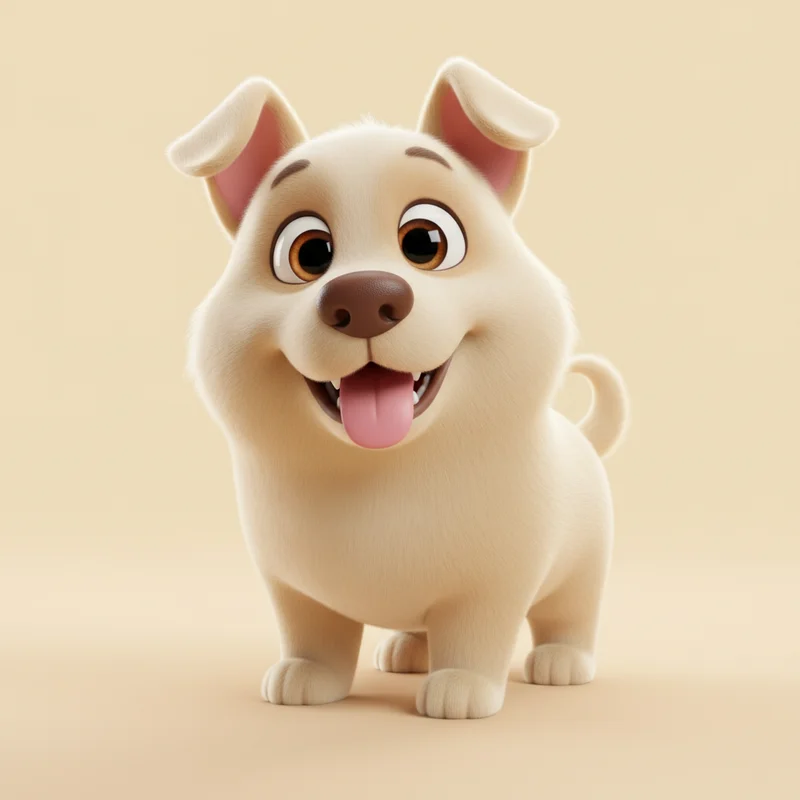
Dog

Dog

Loyal canine companion celebrated for unconditional love, tail wagging, and being humanity's best friend for millennia.

VS
Rabbit

Rabbit

Prolific burrowing mammal known for impressive reproduction rates and twitchy nose appeal.

The Matchup

In the hierarchy of domesticated companions, two species have carved distinct territories in human affection. 471 million dogs currently reside in households worldwide, whilst rabbits claim approximately 14 million homes in the United States alone. Both species have undergone millennia of selective breeding to produce creatures suited for human cohabitation. Yet their approaches to this arrangement differ as dramatically as their ear lengths.

The dog, descended from wolves through a process beginning 15,000 years ago, has evolved into what biologists describe as an obligate human companion. The rabbit, domesticated from European wild rabbits approximately 1,400 years ago in French monasteries, has retained considerably more of its ancestral wariness. One species greets returning owners with paroxysms of joy. The other may acknowledge your existence with a single ear rotation, if the mood strikes.

Battle Analysis

Lifespan commitment Dog Wins
70%
30%
Dog Rabbit

Dog

Dog ownership represents a commitment spanning 10 to 15 years on average, with smaller breeds occasionally exceeding two decades. This duration encompasses significant life changes: career transitions, relocations, family formations, and the gradual acceptance that holidays now require either pet-friendly accommodation or arrangements with trusted caretakers who understand that Baxter requires his blanket.

The emotional intensity of dog ownership amplifies end-of-life considerations. Veterinary literature on owner grief following canine loss describes responses comparable to human bereavement, with recovery periods averaging six months to one year.

Rabbit

Well-cared-for rabbits typically live 8 to 12 years, a duration that surprises many who assume small mammals operate on abbreviated timescales. This lifespan represents substantial commitment, though slightly reduced compared to canine equivalents. End-of-life care follows similar patterns, with veterinary options for pain management and dignified conclusion.

Rabbit owners report attachment levels that frequently surprise them. The quiet creature they adopted for its low-demand profile becomes, through years of subtle interaction, a genuinely mourned companion upon departure.

VERDICT

Longer average lifespans mean extended companionship, though this same longevity represents increased commitment. Dogs offer more years, for those prepared to give them.

Spatial requirements Rabbit Wins
30%
70%
Dog Rabbit

Dog

Dogs require space calibrated to their size, a variable spanning 1 kilogram to 90 kilograms depending on breed selection. Small breeds may tolerate apartment living, whilst larger varieties require gardens, ideally with fencing rated for their specific athletic capabilities. Some breeds have been documented clearing 1.8-metre barriers with minimal preparation.

Beyond physical space, dogs require territorial range. Daily walks of 30 minutes to two hours, depending on breed energy levels, are considered minimum requirements for psychological wellbeing. A dog confined without adequate exercise develops what behaviourists term displacement activities: chewing furniture, excessive barking, and creative redecorating of cushion interiors.

Rabbit

The minimum recommended enclosure for a rabbit measures four times the rabbit's body length when fully stretched, with daily access to a larger exercise area. This typically translates to an enclosure of approximately one square metre, plus supervised hopping privileges in rabbit-proofed rooms. Many owners opt for free-roaming arrangements that work surprisingly well, given the rabbit's natural inclination to establish a single latrine location.

Rabbits do not require outdoor access for wellbeing. They can live entirely satisfying lives within apartments, finding stimulation in cardboard box architecture and the systematic investigation of any bags you bring into your home.

VERDICT

Rabbits thrive in spaces where dogs would develop clinical frustration. Urban living increasingly favours the spatially modest.

Interactive engagement Dog Wins
70%
30%
Dog Rabbit

Dog

Dogs have evolved specifically to engage with humans. Research from the Max Planck Institute demonstrates that dogs can follow human pointing gestures with accuracy exceeding 90 percent, an ability that even our closest primate relatives struggle to match. They seek eye contact, respond to their names, and have developed approximately 19 distinct facial expressions specifically for human communication.

The domestic dog treats human attention as a primary reinforcer, equivalent in neurological terms to food or physical comfort. This creates a creature genuinely invested in interactive engagement, one that will fetch, perform tricks, and maintain sustained eye contact in a manner that psychologists describe as borderline disconcerting.

Rabbit

Rabbits approach interaction with what behavioural scientists term cautious pragmatism. As prey animals whose ancestors survived by assuming everything larger than themselves intended consumption, rabbits have retained defensive instincts that manifest as apparent aloofness. They may eventually learn their names, though response rates hover around 40 percent, which experts attribute to choice rather than comprehension failure.

When rabbits do engage, they offer subtle rewards: a gentle tooth-grinding sound indicating contentment, the rare approach for head scratches, the dignified acknowledgment of your existence. These moments carry weight precisely because they are earned rather than guaranteed.

VERDICT

Dogs were engineered for engagement through evolutionary pressure. Rabbits offer interaction as a gift, when they deem the recipient worthy.

Maintenance simplicity Rabbit Wins
30%
70%
Dog Rabbit

Dog

Dog ownership constitutes what economists classify as a significant ongoing resource commitment. Daily requirements include multiple walks regardless of weather conditions, feeding schedules, grooming routines that vary from weekly brushing to professional appointments costing upwards of $80 per session. Annual veterinary costs average $700, rising precipitously with age or the acquisition of breeds whose physiological compromises require continuous medical intervention.

Dogs also require training. Without it, they default to ancestral behaviours that modern society finds unacceptable: territorial marking of furniture, enthusiastic greeting of postal workers, and the excavation of flower beds in search of imaginary prey.

Rabbit

Rabbits present what their advocates describe as apartment-compatible companionship. They can be litter-trained with success rates approaching 85 percent, eliminating the outdoor expedition requirements that dog ownership mandates. Their dietary needs centre on hay, which costs approximately $20 monthly, supplemented by fresh vegetables that owners often share from their own purchases.

However, rabbits harbour a secret: their teeth grow continuously at a rate of 2-3 millimetres weekly. Without appropriate chewing materials, dental problems ensue that require specialist veterinary attention. They also demonstrate an architectural enthusiasm for electrical cables that has rendered many a phone charger into sculptural fragments.

VERDICT

Rabbits require neither walks nor elaborate training. Their self-contained maintenance profile suits modern lifestyles where time constitutes the scarcest resource.

Emotional responsiveness Dog Wins
70%
30%
Dog Rabbit

Dog

Dogs have developed what researchers at Emory University describe as exceptional human emotion detection. Brain imaging studies reveal that dogs process human faces in dedicated neural regions, with particular sensitivity to emotional expressions. They have been documented adjusting their behaviour in response to owner distress, approaching with what ethologists classify as comfort-seeking proximity.

The dog's capacity for emotional mirroring extends beyond detection to response. A sad owner often finds themselves accompanied by a subdued dog. A joyful owner typically triggers reciprocal excitement. This synchronisation occurs automatically, requiring no training or conscious effort from either party.

Rabbit

Rabbits possess emotional lives that remain largely opaque to human interpretation. They experience fear, contentment, curiosity, and what appears to be genuine affection, but communicate these states through subtle signals that untrained observers routinely miss. A rabbit's happiness manifests in binky jumps, sudden aerial twists performed without warning. Their distress appears as hunched stillness that the uninformed might mistake for peaceful rest.

Those who invest time in rabbit behavioural literacy report genuine emotional connections. However, these connections require active interpretation rather than the obvious signalling dogs provide.

VERDICT

Dogs broadcast emotions in formats humans evolved to receive. Rabbits communicate in encrypted transmissions requiring dedicated decoding effort.

👑

The Winner Is

Dog

58 - 42

This analysis reveals a competition between fundamentally different companionship philosophies. Dogs offer active partnership, creatures that integrate into human life as enthusiastic participants requiring substantial investment of time, space, and emotional energy. Rabbits offer quiet cohabitation, entities that share your space without demanding its reorganisation around their needs.

The scoring reflects practical reality: dogs win on interactive engagement, emotional responsiveness, and lifespan commitment, categories where their evolution as human companions confers decisive advantages. Rabbits claim victory in maintenance simplicity and spatial requirements, domains where their prey-animal heritage produces unexpected benefits for modern owners. The 58-42 margin acknowledges that whilst rabbits suit certain lifestyles admirably, dogs have spent millennia perfecting the role of primary non-human companion.

Ultimately, the choice depends on what you seek: a partner who will greet every homecoming as a celebration, or a companion who will acknowledge your existence with dignified restraint.

Dog
58%
Rabbit
42%

Share this battle

More Comparisons