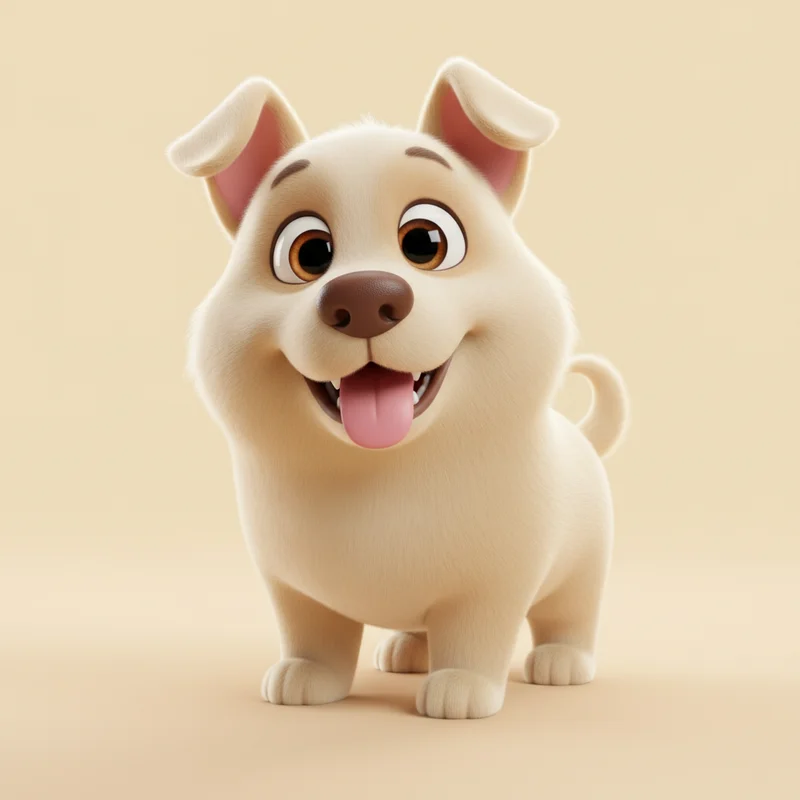
Dog
The domestic dog represents what biologists term an evolutionary masterpiece of flexibility. From the 4-kilogram Chihuahua trembling in a handbag to the 90-kilogram English Mastiff requiring its own postcode, dogs have demonstrated morphological plasticity unmatched in mammalian history. Over 15,000 years of selective breeding, they have developed into more than 340 recognised breeds, each optimised for specific human requirements: herding, guarding, hunting, or simply existing as a 'lap dog' despite weighing considerably more than the available lap.
Dogs thrive in environments ranging from Arctic tundra to Arabian desert. They have accompanied humans to altitudes exceeding 5,000 metres and serve in roles from bomb detection to diabetes monitoring. Their dietary flexibility extends from premium grain-free kibble to whatever fell on the kitchen floor three seconds ago.
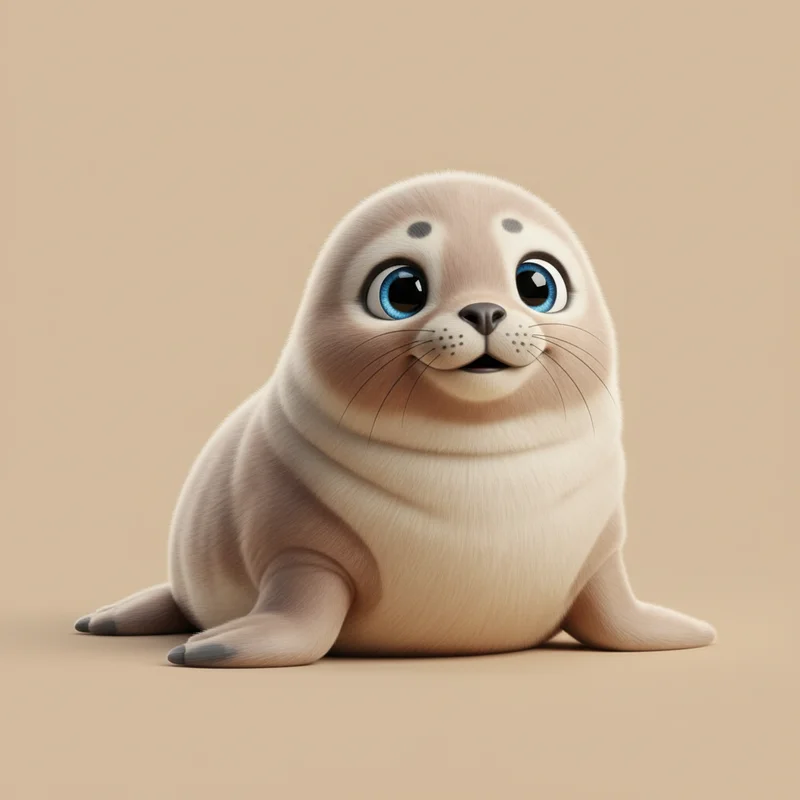
Seal
Seals have achieved what engineers call environmental optimisation with characteristic biological single-mindedness. Their bodies represent 25 million years of refinement for a single purpose: being extremely good at swimming whilst remaining technically a mammal. Their flippers, converted from what were once perfectly serviceable legs, provide propulsion exceeding 35 kilometres per hour underwater. Their blubber layer, comprising up to 50% of body mass in some species, permits survival in waters that would kill an unprotected human in minutes.
This optimisation, however, comes at the cost of terrestrial dignity. On land, seals move via what scientists clinically describe as 'galumphing,' a form of locomotion that combines the grace of a filled sandbag with the efficiency of a deflating balloon. They have committed fully to the ocean, and the ocean is not always convenient.
VERDICT
Dogs adapted to serve human needs across all environments. Seals adapted to serve fish-catching needs in one environment. Versatility claims victory over specialisation.