
Topic Battle

Where Everything Fights Everything

Dog

Dog

Loyal canine companion celebrated for unconditional love, tail wagging, and being humanity's best friend for millennia.

VS
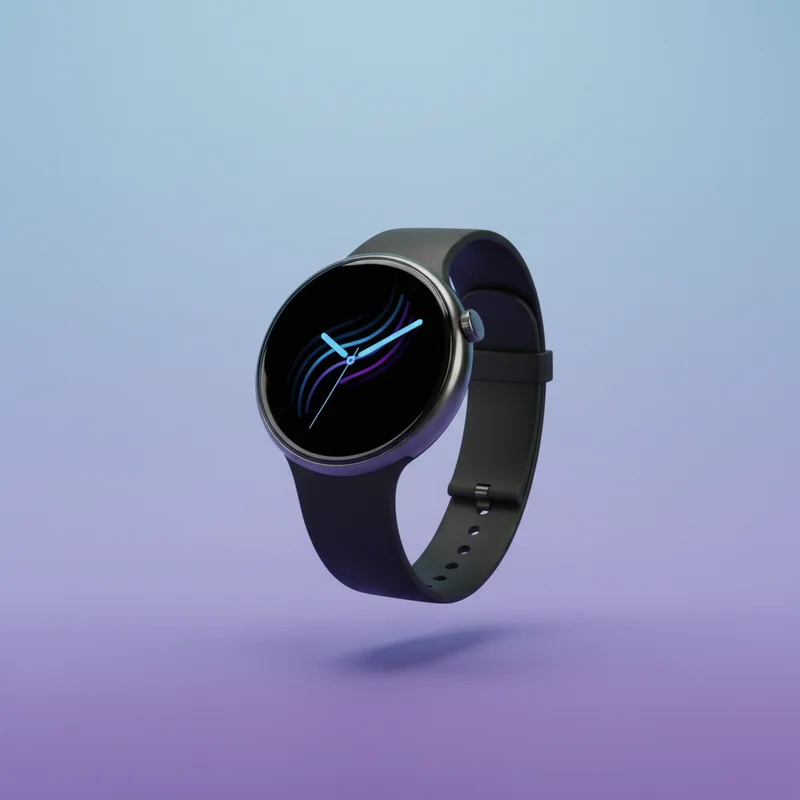
Smart Watch

Smart Watch

Wearable technology tracking your every heartbeat and step.

The Matchup

In the modern pursuit of optimised living, humans have acquired two remarkably persistent monitors of their daily activity. 471 million dogs currently serve as companions worldwide, whilst the global smart watch market has placed over 200 million devices on human wrists. Both claim authority over their owner's physical movement, sleep patterns, and general wellbeing. Both demand regular attention. Yet these monitoring systems operate through fundamentally incompatible philosophies.

The smart watch represents Silicon Valley's interpretation of care: quantified, algorithmic, and delivered through haptic vibrations calibrated to induce guilt. The dog represents 15,000 years of evolutionary refinement, a companion species that has learned to communicate through methods that require no charging cable. One displays your heart rate on a screen. The other increases it through the simple mechanism of unconditional enthusiasm at your return from the wheelie bins.

Battle Analysis

Fitness motivation Dog Wins
70%
30%
Dog Smart Watch

Dog

The domestic dog operates as a non-negotiable fitness regime. Studies from the University of Liverpool demonstrate that dog owners walk an average of 22 additional minutes daily compared to non-owners, accumulating approximately 2,760 extra minutes of exercise annually. This occurs regardless of weather conditions, personal motivation levels, or the compelling nature of whatever programme has just begun on television.

The dog's motivational methodology involves direct eye contact, strategic positioning near the lead storage location, and vocalisations that increase in frequency and pitch until compliance is achieved. There is no snooze function. There is no option to dismiss the notification. The walk will occur.

Smart Watch

Smart watches deploy gamification psychology refined through decades of behavioural research. Rings must be closed. Streaks must be maintained. Achievements must be unlocked. The device awards badges for standing up, badges for breathing, and badges for completing activities that previous generations considered unremarkable components of ordinary existence.

Yet the smart watch suffers a critical limitation: it can be ignored. Studies indicate that approximately 40 percent of fitness tracker owners abandon their devices within six months. The notifications become background noise. The rings remain unclosed. The watch, unlike a Labrador, cannot follow you from room to room with increasing desperation.

VERDICT

Smart watches request movement through electronic suggestion. Dogs require movement through biological necessity. One approach is optional. The other is not.

Maintenance requirements Smart Watch Wins
30%
70%
Dog Smart Watch

Dog

Dogs demand comprehensive life support infrastructure. The ASPCA estimates annual ownership costs between $1,500 and $4,500, encompassing veterinary care, nutrition, grooming, equipment, and the ongoing replacement of items destroyed during episodes of boredom or separation anxiety. Beyond financial commitment, dogs require time: walks cannot be postponed, feeding schedules cannot be ignored, and attention must be provided regardless of the owner's current workload or emotional capacity.

A dog's needs are immediate and non-negotiable. They do not understand that you are finishing an important email. They do not recognise the concept of being busy.

Smart Watch

Smart watches require daily charging, typically achieving 18-36 hours of battery life depending on model and usage patterns. Software updates occasionally introduce features whilst removing others. Bands wear out, screens crack, and technological obsolescence ensures replacement every three to five years. Annual costs remain modest: perhaps $50-100 for accessories and subscriptions, assuming no physical damage occurs.

The device asks nothing of you emotionally. It does not sulk when neglected. It does not require walks in the rain. It simply sits on your wrist, measuring and recording until its battery depletes.

VERDICT

Dogs require feeding, walking, veterinary care, and emotional attention. Smart watches require occasional placement on a magnetic charging puck.

Health monitoring accuracy Smart Watch Wins
30%
70%
Dog Smart Watch

Dog

Dogs possess sensory capabilities that technology has yet to replicate. Their olfactory system contains approximately 300 million scent receptors, compared to the human's modest six million. Research published in various medical journals documents dogs detecting cancer, predicting epileptic seizures, and identifying hypoglycaemic episodes in diabetic patients with sensitivity exceeding 90 percent.

However, dogs provide no quantified data. They cannot display your precise blood oxygen saturation or generate weekly reports suitable for forwarding to medical professionals. Their diagnostic output consists entirely of behavioural changes that require human interpretation: unusual attention, persistent sniffing, or the concerned head-tilt that indicates something has registered as abnormal.

Smart Watch

Modern smart watches incorporate an impressive array of sensors: optical heart rate monitors, blood oxygen sensors, electrocardiogram capability, and accelerometers that detect falls and automatically contact emergency services. The Apple Watch alone has been credited with identifying thousands of cases of atrial fibrillation that would otherwise have gone undetected.

These devices generate comprehensive data streams, tracking sleep stages, heart rate variability, and respiratory rates with clinical-grade accuracy. They produce graphs, trends, and alerts. They interface with healthcare systems. They provide the documentation that transforms vague feelings of unwellness into actionable medical information.

VERDICT

Dogs detect problems through mechanisms science cannot fully explain. Smart watches detect problems through mechanisms that generate shareable PDF reports.

Emotional support provision Dog Wins
70%
30%
Dog Smart Watch

Dog

Dogs represent 400 million years of mammalian evolution condensed into a companion species optimised for human emotional support. Research from multiple institutions confirms that interaction with dogs increases oxytocin levels in humans by up to 300 percent. This is the same hormone associated with maternal bonding and romantic attachment, triggered simply by making eye contact with a creature that has evolved to exploit precisely this response.

Dogs detect human emotional states with remarkable accuracy. They position themselves closer during periods of distress. They offer physical contact without requiring verbal invitation. They provide what therapists describe as unconditional positive regard, accepting their owners regardless of professional setbacks, relationship failures, or questionable life choices.

Smart Watch

Smart watches offer mindfulness reminders and breathing exercises, interventions that research suggests can reduce acute stress responses. Some models provide haptic feedback designed to calm the wearer during detected periods of elevated heart rate. These features represent a genuine attempt to address emotional wellbeing through technological means.

Yet the watch fundamentally cannot distinguish between anxiety and excitement, between grief and physical exertion. It measures physiological markers and applies algorithmic interpretation. It cannot sit beside you during difficulty. It cannot offer the physical warmth of another living creature. Its comfort is data-driven rather than intuitively responsive.

VERDICT

Smart watches suggest breathing exercises. Dogs simply breathe beside you, their presence alone demonstrating measurable stress reduction effects.

Social connection facilitation Dog Wins
70%
30%
Dog Smart Watch

Dog

Dogs function as involuntary social catalysts. Research published in the Journal of Social Psychology demonstrates that individuals accompanied by dogs receive three times more social approaches from strangers than those walking alone. Dog parks serve as community centres where humans who would otherwise remain isolated discover common ground through their animals' entirely arbitrary sniffing preferences.

Dogs create reasons to speak with neighbours, establish regular routes that generate familiar faces, and provide an endless supply of conversation topics that transcend typical social awkwardness. They are, in sociological terms, ice-breaking apparatus of exceptional effectiveness.

Smart Watch

Smart watches enable fitness challenges with friends, social sharing of achievement badges, and competitive step-counting that transforms walking into an interpersonal contest. Some users report that shared fitness goals have strengthened relationships and created accountability partnerships.

However, these connections occur through screens rather than physical presence. The smart watch community exists in applications and leaderboards rather than parks and pavements. One does not stop strangers to discuss their daily step count, and unsolicited commentary on another person's visible activity rings would constitute significant social transgression.

VERDICT

Smart watches connect people through digital platforms. Dogs create unavoidable face-to-face interactions with other humans in shared physical space.

👑

The Winner Is

Dog

55 - 45

This analysis reveals a competition between two fundamentally different approaches to human improvement. The smart watch represents quantified self philosophy: the belief that measurement alone drives behaviour change, that data generates motivation, that algorithms can optimise human existence. The dog represents something far older: the belief that relationship itself constitutes value, that companionship matters independent of metrics, that some forms of care cannot be expressed through notifications.

The scoring reflects this philosophical distinction. Smart watches excel at measurement and maintenance simplicity, categories where their technological nature provides genuine advantage. Dogs claim victory in motivation, emotional support, and social facilitation, domains where living companionship proves irreplaceable. The 55-45 margin acknowledges that whilst smart watches serve human data requirements more precisely, dogs serve human flourishing more completely.

Perhaps the optimal arrangement involves both: the watch that records your steps, and the dog that ensures you take them.

Dog
55%
Smart Watch
45%

Share this battle

More Comparisons