Topic Battle

Where Everything Fights Everything

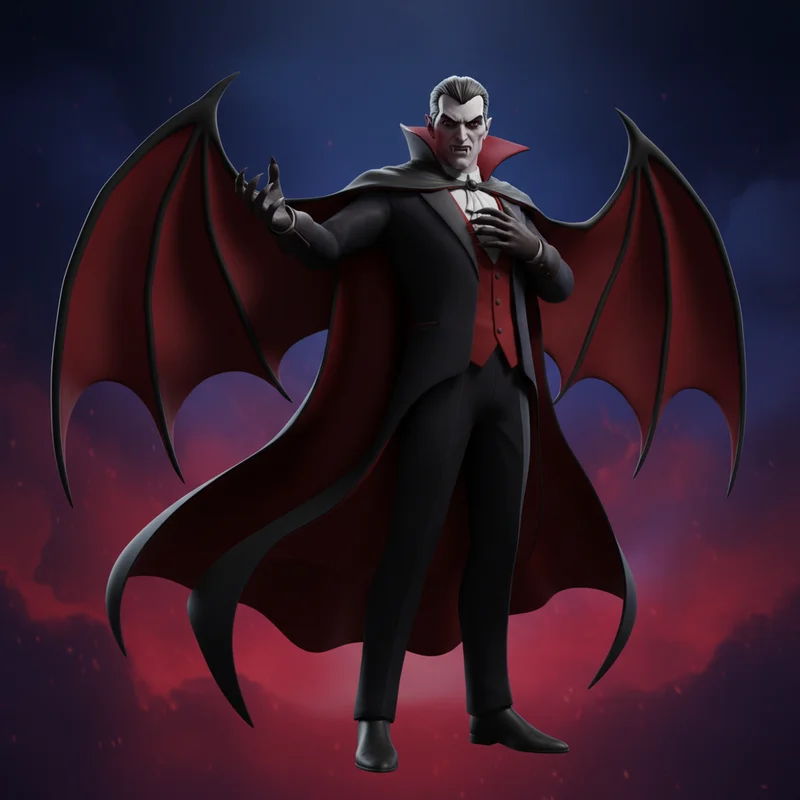
Dracula

Dracula

Original vampire count from Transylvania.

VS
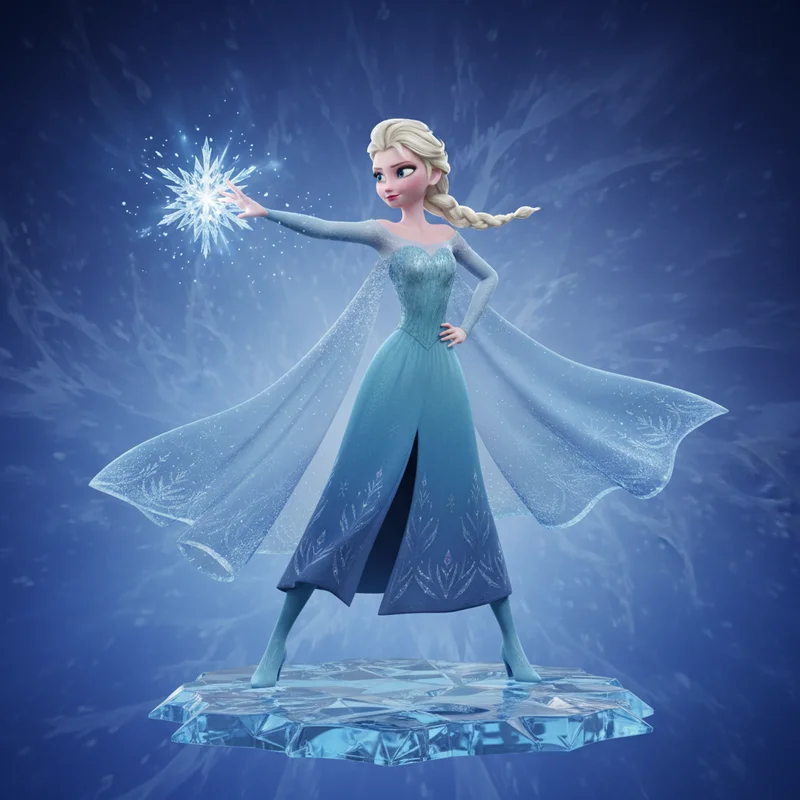
Elsa

Elsa

Ice queen who couldn't let it go.

Battle Analysis

Cultural influence Dracula Wins
70%
30%
Dracula Elsa

Dracula

Dracula essentially invented the modern vampire. Before Stoker's novel, vampires were grotesque revenants from Eastern European folklore. The Count introduced seductive aristocratic evil to popular consciousness, spawning an entire genre. From Nosferatu to Twilight, from Buffy to True Blood, every subsequent vampire narrative exists in Dracula's considerable shadow. The character has influenced fashion, music (Gothic subculture), and even tourism—Bran Castle receives over 500,000 visitors annually. Academic vampire studies constitute a legitimate field of literary criticism, with thousands of scholarly papers analysing Dracula's themes of sexuality, imperialism, and disease.

Elsa

Elsa achieved in six years what Dracula required over a century to accomplish. Let It Go became the defining anthem of female empowerment for an entire generation, streamed over 3 billion times across platforms. The character transformed Disney's princess formula entirely, proving that romantic love need not drive female narratives. Elsa merchandise generated more annual revenue than the entire Star Wars franchise during peak demand. The character influenced countless young girls to embrace being different, inspired theatrical productions worldwide, and created the template for Disney's subsequent princess paradigm shift. Her cultural penetration is broader but shallower than Dracula's century-spanning influence.

VERDICT

Over 125 years of genre-defining influence outweighs six years of commercial dominance
Survival capability Dracula Wins
70%
30%
Dracula Elsa

Dracula

The Count has survived everything humanity has devised to destroy him—and frequently returned regardless. Stoker's novel concludes with apparent destruction, yet the character has been resurrected in virtually every medium. His in-universe survival capabilities include regeneration from severe damage, the ability to create new vampires from dying victims, and distributed existence through the earth of his homeland. He requires only native soil and human blood to persist indefinitely. The weaknesses—sunlight, stakes, holy symbols—represent specific countermeasures requiring knowledge and preparation. A unprepared victim stands no chance whatsoever.

Elsa

Elsa's survival capabilities remain somewhat ambiguously defined. She survived being frozen solid, suggesting either immortality or extremely robust physiology. Her powers appear to protect her from cold-related damage entirely, and she demonstrates the ability to survive in environments that would kill ordinary humans instantly. However, the films establish she can be harmed—the suppression of her powers in childhood created genuine psychological damage. She possesses no demonstrated healing factor and presumably remains vulnerable to conventional violence. Her survival depends primarily on offensive capability rather than inherent resilience.

VERDICT

Demonstrated immortality and regeneration outperform ambiguous magical resilience
Narrative complexity Dracula Wins
70%
30%
Dracula Elsa

Dracula

Stoker's Count operates as a remarkably sophisticated villain for 1897. He represents Victorian anxieties about immigration, sexuality, disease, and reverse colonisation. The novel's epistolary structure permits no direct access to Dracula's perspective, rendering him permanently Other—unknowable and therefore infinitely threatening. Subsequent adaptations have explored his origins, his loneliness, his perspective on immortality's curse. Francis Ford Coppola's 1992 version added a tragic love story spanning centuries. The character supports interpretation as sexual predator, plague metaphor, foreign invader, or romantic anti-hero. Such versatility indicates genuine narrative depth.

Elsa

Elsa's arc follows a relatively straightforward redemption trajectory. Traumatised child suppresses abilities, accidentally reveals them, flees in shame, learns self-acceptance, returns to save kingdom. Frozen II added parental mystery and elemental mythology but fundamentally repeated the formula of self-discovery through magical crisis. Her complexity derives primarily from representing recognisable psychological experiences—anxiety, depression, feeling different—rather than ambiguous moral positioning. She is sympathetic by design, never genuinely threatening, always destined for reconciliation. The character works brilliantly for its target audience but offers limited interpretive depth for adult analysis.

VERDICT

Morally ambiguous antagonist supports richer interpretation than sympathetic protagonist
Aesthetic presentation Elsa Wins
30%
70%
Dracula Elsa

Dracula

The Count's visual identity has proven remarkably malleable across interpretations. Stoker described an elderly man with a white moustache and hairy palms—a far cry from subsequent glamorisation. Bela Lugosi established the evening wear standard in 1931; Christopher Lee added predatory sensuality; Gary Oldman introduced baroque extravagance. This flexibility permits Dracula to embody whatever each era finds most threatening or alluring about aristocratic foreignness. The cape, fangs, and medallion combination has become cultural shorthand instantly recognisable across all demographics. His aesthetic adapts; it endures; it terrifies cocktail parties and Halloween alike.

Elsa

Elsa's design represents perhaps the most commercially successful character aesthetic in animation history. The ice-blue palette, platinum blonde braid, and crystalline gown generated an estimated $3 million daily in merchandise sales during peak Frozen-mania. Disney's animators gave her 400,000 strands of individually rendered hair—nearly ten times the studio's previous record. Her transformation sequence—cape discarded, hair released, ice dress materialising—became an iconic visual moment. The Frozen II redesign proved equally successful, demonstrating that her aesthetic translates across styles whilst maintaining recognition. She is, quite simply, designed to sell.

VERDICT

Purpose-built commercial aesthetic achieved unprecedented merchandise dominance
Supernatural abilities Elsa Wins
30%
70%
Dracula Elsa

Dracula

The Count's portfolio of powers reads like a particularly ambitious curriculum vitae. Immortality, granted through undeath, eliminates the inconvenience of ageing. Shapeshifting permits transformation into wolves, bats, and mist—the latter proving especially useful for avoiding customs declarations. He commands nocturnal creatures, scales vertical surfaces, and possesses strength sufficient to overpower multiple armed men. His hypnotic gaze can bend human will entirely, whilst his bite converts victims into eternal servants. The limitations—sunlight, garlic, holy water, wooden stakes—represent a reasonable trade-off for eternal existence.

Elsa

Elsa's cryokinetic abilities manifest with alarming potency and virtually no apparent limitations. She can generate infinite ice and snow, construct elaborate architectural structures instantaneously, create sentient life forms, and plunge entire kingdoms into perpetual winter. Unlike Dracula's powers, which require proximity and darkness, Elsa's abilities function regardless of time or distance. She froze an entire fjord whilst emotionally distressed. The Frozen II revelations suggest her powers connect to primordial elemental forces, making her essentially a demigod of winter. She requires no sustenance, possesses apparent immortality, and suffers precisely zero weaknesses beyond emotional instability.

VERDICT

Unlimited elemental powers with no vulnerabilities defeat even immortal vampirism
👑

The Winner Is

Dracula

52 - 48

This analysis reveals two remarkably parallel figures pursuing divergent strategies toward cultural immortality. Dracula represents the slow accumulation of influence—over a century of reinterpretation, adaptation, and scholarly analysis building an unassailable position in literary and cinematic history. Elsa achieved comparable recognition through concentrated commercial force, becoming the definitive Disney icon of her generation through meticulously designed appeal.

The Count claims three categories through sheer longevity and depth: cultural influence spanning multiple academic disciplines, narrative complexity supporting endless reinterpretation, and survival capabilities befitting literature's most enduring monster. Elsa's victories—supernatural abilities without limitation and commercial aesthetic perfection—reflect modern entertainment's emphasis on power fantasy and marketability.

In the eternal calculus of cultural significance, depth eventually defeats breadth. Dracula will still terrify audiences when today's children explain Frozen to their grandchildren as a quaint period piece. The vampire endures.

Dracula
52%
Elsa
48%

Share this battle

More Comparisons