Dracula
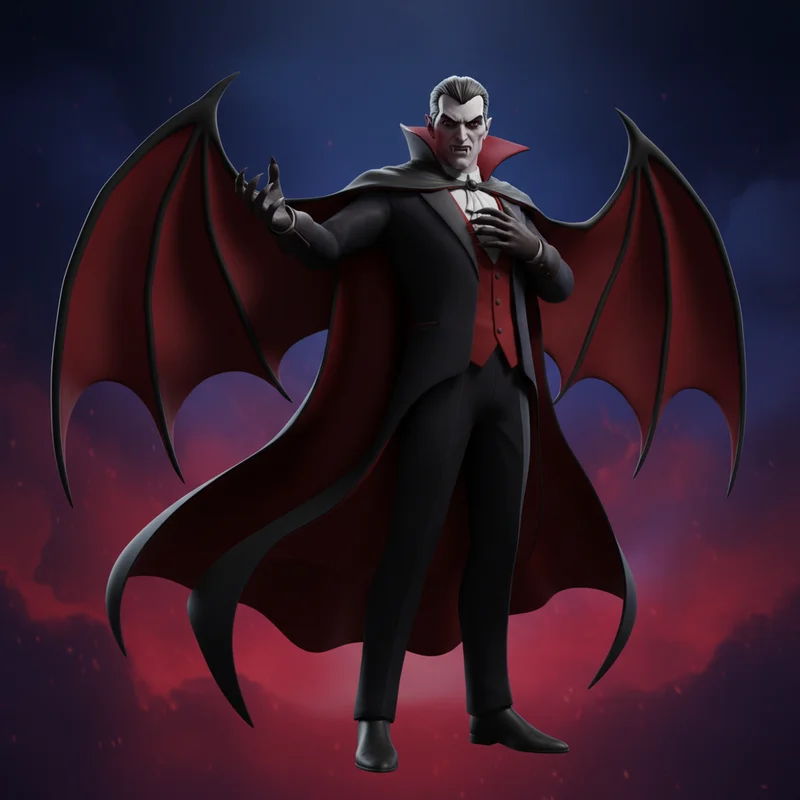
The vampire's durability approaches functional invulnerability under most combat scenarios. Conventional weapons pass through his mist form harmlessly, whilst physical attacks against his corporeal body regenerate within moments given adequate blood supply. Only specific countermeasures prove effective: wooden stakes through the heart, decapitation, direct sunlight, or holy symbols wielded with genuine faith.
This limited vulnerability profile creates asymmetric combat conditions. An opponent must possess both knowledge of vampiric weaknesses and the specific implements to exploit them. Random magical attacks, however powerful, simply fail to achieve permanent effect against an entity that has survived centuries of opposition.
Harry Potter
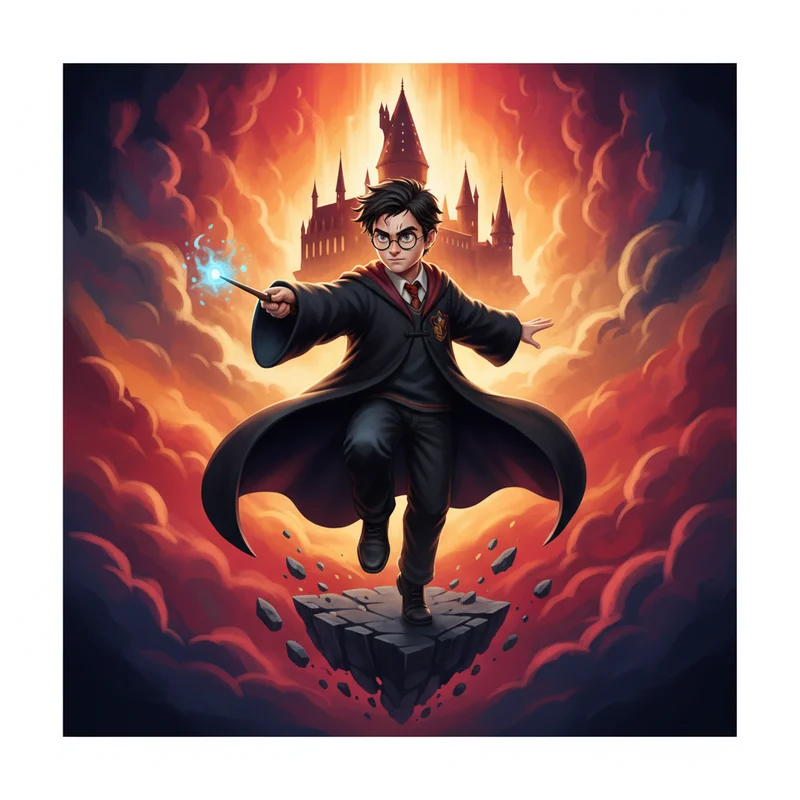
Harry Potter demonstrates durability consistent with an exceptionally fortunate human wizard. He has survived the Killing Curse twice through unique circumstances: maternal sacrificial protection at age one, and Voldemort's inadvertent destruction of his own Horcrux fragment at age seventeen. Neither defence remains available.
Beyond these exceptional events, Harry's durability remains fundamentally human. He requires food, sleep, and breathable atmosphere. Sufficient physical trauma would prove fatal, as would numerous magical attacks if his shield charms failed. The Boy Who Lived lived through remarkable luck and circumstance rather than inherent resilience.