Topic Battle

Where Everything Fights Everything

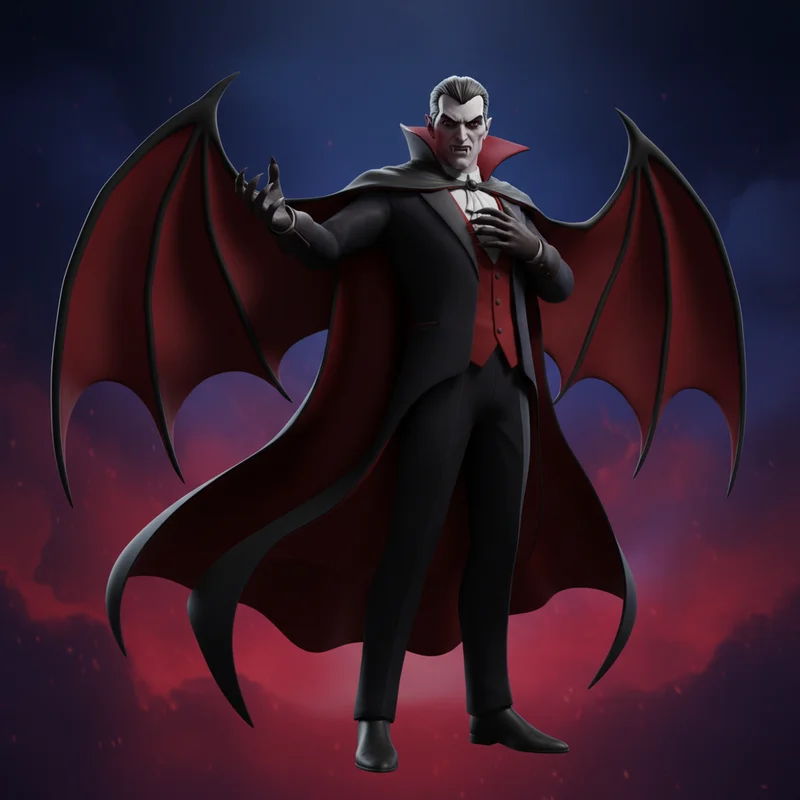
Dracula

Dracula

Original vampire count from Transylvania.

VS
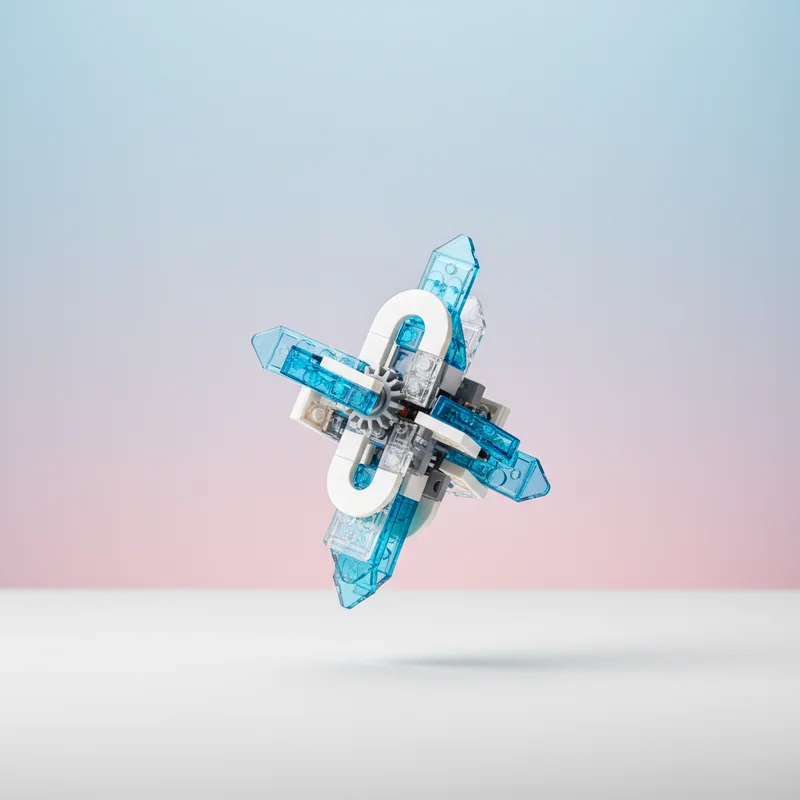
Lego

Lego

Interlocking plastic bricks and barefoot landmines.

Battle Analysis

Cultural longevity Dracula Wins
70%
30%
Dracula Lego

Dracula

Count Dracula emerged from Bram Stoker's Gothic imagination in 1897, though his literary DNA traces back to earlier vampire folklore and the historical Vlad III of Wallachia. In the 127 years since his literary debut, Dracula has appeared in over 200 films, from Nosferatu (1922) to countless modern interpretations. The character has been portrayed by distinguished actors including Bela Lugosi, Christopher Lee, and Gary Oldman, each generation reinventing the Count for contemporary audiences. His influence extends beyond entertainment into psychology, with the term Draculin naming an actual anticoagulant found in vampire bat saliva.

Lego

The Lego brick, patented on 28 January 1958, represents a mere 66 years of official existence, though the company itself dates to 1932. Despite this relative youth, Lego has achieved extraordinary cultural penetration. The brand has produced over 400 billion bricks since 1949, statistically providing approximately 62 bricks for every person on Earth. Lego has transcended toy status to become an architectural medium, educational tool, and competitive sport, with adult fans (AFOLs) now comprising a significant market segment. The Lego Movie franchise has grossed over $1 billion globally.

VERDICT

With 127 years of continuous cultural relevance versus 66 years, the vampire's longevity proves insurmountable
Global economic impact Lego Wins
30%
70%
Dracula Lego

Dracula

The economic footprint of Dracula proves surprisingly substantial yet diffuse. Vampire tourism generates an estimated $3 billion annually for Romania, with Bran Castle receiving over 800,000 visitors yearly despite its tenuous connection to Vlad the Impaler. The broader vampire media industry, including films, television, literature, and merchandise, constitutes a market valued at approximately $10 billion. However, this economic activity remains fragmented across countless rights holders, with no single entity controlling the Dracula intellectual property, now residing firmly in the public domain.

Lego

The Lego Group's economic dominance borders on the staggering. In 2023, the company reported revenues of DKK 65.9 billion (approximately $9.5 billion USD), with operating profits exceeding $2 billion. Lego employs over 24,000 people globally and operates 740 retail stores across 45 countries. The company's brand value exceeds $8.4 billion, ranking among the world's most valuable toy brands. Furthermore, Lego's secondary market thrives, with rare sets appreciating faster than gold, stocks, and wine combined.

VERDICT

Concentrated corporate revenue of $9.5 billion decisively outweighs dispersed vampire-related economic activity
Physical danger potential Lego Wins
30%
70%
Dracula Lego

Dracula

The threat matrix presented by Count Dracula remains theoretical yet comprehensively documented. Traditional vampire capabilities include superhuman strength (estimated at 10-20 times human capacity), the ability to transform into bats, wolves, or mist, hypnotic powers, and functional immortality. Weaknesses, however, prove numerous: sunlight, garlic, holy water, silver, wooden stakes, and an inability to enter dwellings uninvited. The vampire's danger radius extends primarily to nocturnal encounters and those who foolishly invite mysterious Transylvanian noblemen across their thresholds.

Lego

The physical danger posed by Lego bricks operates through an entirely different mechanism: podiatric assault. Studies indicate that stepping on a Lego brick generates approximately 2 megapascals of pressure concentrated on foot nerve endings, producing pain disproportionate to the object's size. Emergency departments report thousands of Lego-related injuries annually, predominantly involving feet, throats (ingestion), and nasal passages. The brick's danger zone encompasses any household floor, particularly during nocturnal bathroom journeys, making it statistically more likely to cause human suffering than any vampire.

VERDICT

Real-world injury statistics demonstrate Lego inflicts more documented harm than any fictional vampire
Adaptability and versatility Lego Wins
30%
70%
Dracula Lego

Dracula

Dracula's adaptability manifests through narrative reinvention. The character has successfully traversed every conceivable genre: horror, romance, comedy (Love at First Bite), science fiction (Dracula 3000), and even children's entertainment (Hotel Transylvania, grossing $1.4 billion across four films). The Count has been reimagined as a tragic antihero, a romantic lead, a comedic figure, and a straightforward villain. Geographic transpositions have relocated him to New York, Los Angeles, and space itself, demonstrating remarkable conceptual flexibility.

Lego

Lego's versatility operates on a fundamental mathematical level. The six-stud standard brick alone offers 915,103,765 distinct combinations when connecting just six pieces. The system's compatibility across seven decades means bricks from 1958 interlock perfectly with 2024 productions. Lego has licensed over 600 intellectual properties, from Star Wars to Harry Potter to, indeed, the Monster Fighters Vampyre Castle set. Specialised ranges encompass architecture, robotics (Mindstorms), and adult collectors, whilst maintaining absolute systemic interoperability.

VERDICT

Mathematical infinite configuration potential exceeds even supernatural shapeshifting capabilities
Influence on human behaviour Dracula Wins
70%
30%
Dracula Lego

Dracula

Dracula's behavioural influence extends into genuine subcultures. The vampire aesthetic has spawned Goth fashion movements, vampire lifestyle communities, and even clinical vampirism (Renfield's Syndrome). Stoker's creation established templates for the romantic monster, the seductive villain, and the aristocratic predator that permeate contemporary fiction. The Count has influenced everything from energy drink branding to cereal mascots, whilst genuine vampire believers number in the tens of thousands globally. Romanian tourism boards credit Dracula with transforming the nation's international identity.

Lego

Lego's influence on human development proves measurable and profound. Educational research demonstrates that Lego play enhances spatial reasoning, fine motor skills, and creative problem-solving in children. The brick has been integrated into therapeutic practices for autism spectrum conditions and adult mindfulness programmes. Lego Serious Play methodology is employed by Fortune 500 companies for strategic planning. The phenomenon of adult fans (AFOLs) has created communities numbering in the millions, with conventions attracting over 100,000 attendees annually.

VERDICT

Reshaping cultural archetypes and spawning genuine subcultures demonstrates deeper psychological influence
👑

The Winner Is

Lego

47 - 53

This analysis reveals a contest far closer than superficial examination might suggest. Both Dracula and Lego have achieved a form of cultural immortality, transcending their origins to become universal reference points spanning generations and continents. The Count commands superior temporal longevity and deeper psychological influence, having fundamentally shaped how humanity conceptualises the monstrous, the seductive, and the undying. Lego, however, dominates in economic impact, real-world physical consequences, and sheer versatility.

The final reckoning favours the Danish brick by the narrowest of margins. Whilst Dracula haunts our collective unconscious, Lego physically inhabits our world, our homes, and occasionally our feet. With 400 billion bricks distributed globally and mathematical combination possibilities approaching infinity, Lego has achieved an omnipresence that even the most determined vampire could only envy.

Dracula
47%
Lego
53%

Share this battle

More Comparisons