Topic Battle

Where Everything Fights Everything

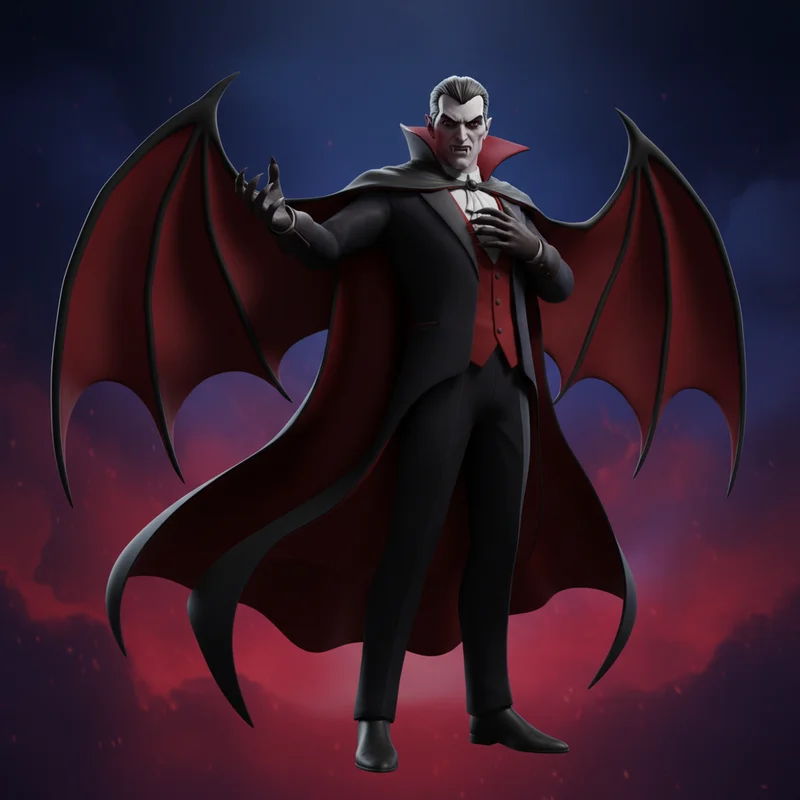
Dracula

Dracula

Original vampire count from Transylvania.

VS
Time

Time

Dimension that refuses to slow down when needed.

Battle Analysis

Fear factor Time Wins
30%
70%
Dracula Time

Dracula

The Count inspires a visceral terror rooted in specific violations: the piercing of flesh, the theft of blood, the corruption of innocence. Surveys indicate 12% of adults harbour genuine fears related to vampires. Dracula's horror is intimate, involving bedroom invasions and the transformation of loved ones into monsters. The psychological impact of vampire fiction has been studied extensively, revealing elevated heart rates and stress hormones in viewers. His fear is personal, targeted, and deeply unsettling.

Time

Time inspires existential dread of an altogether different magnitude. The fear of ageing, of mortality, of watching everything one loves decay, affects virtually 100% of conscious beings. Philosophers term this 'chronophobia,' and it underlies humanity's most persistent anxieties. Time's horror is not the sudden shock of fangs but the slow, inexorable certainty of endings. Every wrinkle, every grey hair, every fading memory serves as Time's calling card, reminding us that entropy comes for all.

VERDICT

Dracula frightens some people sometimes; Time frightens everyone, always, without exception
Persistence Time Wins
30%
70%
Dracula Time

Dracula

The Count demonstrates remarkable persistence through his ability to survive death itself. Staked through the heart, exposed to sunlight, or doused in holy water, Dracula has returned in over 170 literary works since 1897. His persistence is conditional, however, requiring coffins filled with Transylvanian soil, regular blood consumption, and strict avoidance of garlic-heavy cuisine. The vampire's immortality comes with a rather extensive list of terms and conditions that would make any insurance policy seem straightforward.

Time

Time's persistence is altogether more absolute. It existed before matter, before light, before the very concept of 'before' had meaning. Physicists estimate Time will continue for at least 10^100 years until the heat death of the universe renders all processes impossible. Even then, Time does not technically end; it simply runs out of things to happen within it. Time requires no sustenance, fears no wooden stakes, and has never once needed to sleep in a box of dirt. Its persistence is not merely impressive; it is definitional.

VERDICT

Immortality requires effort; Time simply is, was, and shall be without expending a single calorie
Defeat resistance Time Wins
30%
70%
Dracula Time

Dracula

Dracula's vulnerabilities form a rather extensive catalogue. Sunlight proves fatal, as does holy water, crucifixes, and garlic. A wooden stake through the heart delivers decisive termination. Decapitation works reliably, as does immolation. Running water poses problems, and he cannot enter dwellings without invitation. The Count has been defeated in virtually every adaptation, suggesting his immortality comes with significant terms and conditions. His death count across media likely exceeds 500 instances.

Time

Time has never been defeated. Humanity has attempted to slow it, measure it, and philosophise about it, but stopping Time remains impossible. Even travelling near light speed merely alters one's experience of Time through relativistic effects; Time itself continues unperturbed. Black holes stretch Time; they do not break it. The theoretical concept of 'timelessness' exists only in religious and speculative frameworks. Every weapon humanity has devised, every technology created, every prayer offered has failed to halt Time's advance by even a single second.

VERDICT

The Count can be killed with household items; Time cannot be killed with anything, ever
Cultural influence Dracula Wins
70%
30%
Dracula Time

Dracula

Dracula's cultural footprint is extraordinarily substantial. The character has appeared in more films than any other horror figure, with Bela Lugosi's 1931 portrayal defining vampire aesthetics for generations. The Dracula industry contributes approximately $480 million annually to Romania's tourism sector. The Count has influenced fashion (the cape), music (gothic rock), and even breakfast cereals (Count Chocula). His image transcends language barriers, recognisable from Tokyo to Toronto.

Time

Time's cultural influence is so fundamental that every human civilisation has developed systems to measure it. The Gregorian calendar, adopted by 168 countries, structures global commerce and communication. Phrases referencing Time appear in virtually every language: 'time flies,' 'killing time,' 'time heals.' The concept has inspired philosophers from Aristotle to Einstein, artists from Dali to Nolan. Humanity has spent approximately $40 billion on timekeeping devices annually, desperately attempting to track something that cannot be stopped.

VERDICT

Time is ubiquitous but taken for granted; Dracula commands active fascination and devoted fandoms
Transformative power Time Wins
30%
70%
Dracula Time

Dracula

Count Dracula's transformative abilities represent some of fiction's most versatile shape-shifting. He becomes a bat with a wingspan of approximately 30 centimetres, a wolf of considerable menace, or an ethereal mist capable of seeping through keyholes. He transforms victims into fellow vampires, creating an exponentially growing army of the undead. Historical records suggest one aggressive vampire could theoretically convert Earth's entire population within 2.5 years through geometric progression, though organisational challenges typically prevent such efficiency.

Time

Time transforms everything, everywhere, always. It converts mountains into sand, stars into black holes, and civilisations into archaeological curiosities. The erosive power of Time carved the Grand Canyon, collapsed the Roman Empire, and will eventually render our sun into a white dwarf. Time transforms children into adults, adults into memories, and memories into forgotten whispers. Unlike Dracula, Time does not choose its victims; it simply processes all matter and energy with the patient inevitability of universal entropy.

VERDICT

The Count transforms selectively; Time transforms comprehensively, including the Count himself eventually
👑

The Winner Is

Time

42 - 58

This confrontation between the literary immortal and the cosmic constant reveals a fundamental truth about existence: there is a profound difference between living forever and being forever. Dracula, for all his Gothic magnificence, remains a creature within Time, subject to its transformations and ultimately dependent upon the continued existence of human civilisation for both sustenance and cultural relevance. Time requires nothing, fears nothing, and simply proceeds with the majestic indifference of the universe itself. The Count scores his solitary victory in cultural influence, where his deliberate mystique and theatrical presence capture human imagination more effectively than Time's invisible omnipresence. Yet in every measurable dimension of raw power, Time demonstrates why it remains the undefeated champion of entropy.

Dracula
42%
Time
58%

Share this battle

More Comparisons