Topic Battle

Where Everything Fights Everything

Electric Scooter

Electric Scooter

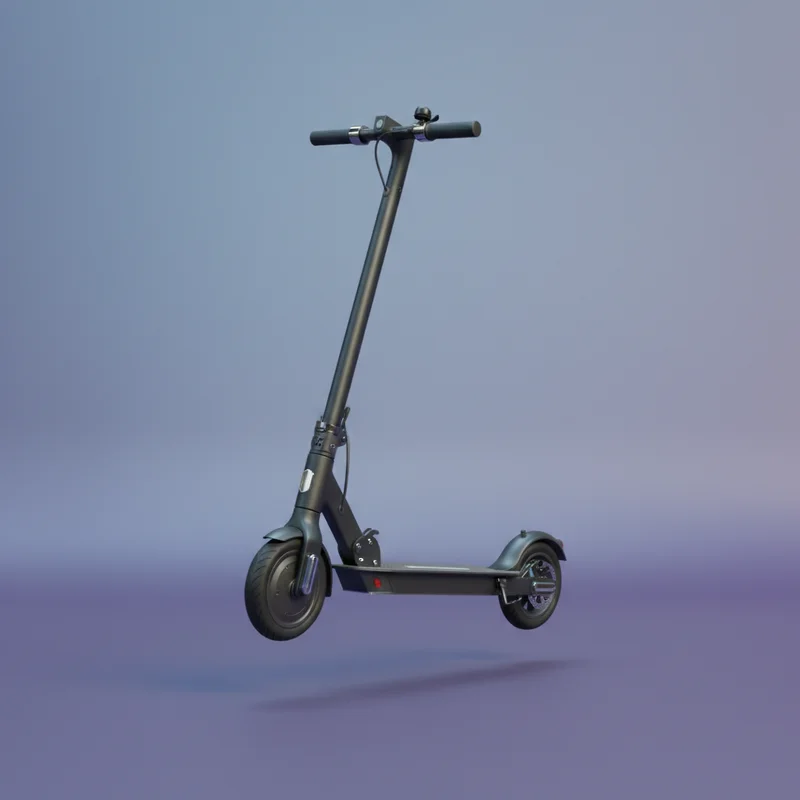
A vehicle that makes you question both transportation and dignity simultaneously. Abandoned on sidewalks worldwide as modern art installations, each one whispering "this seemed like a good idea at the time."

VS
Astronaut

Astronaut

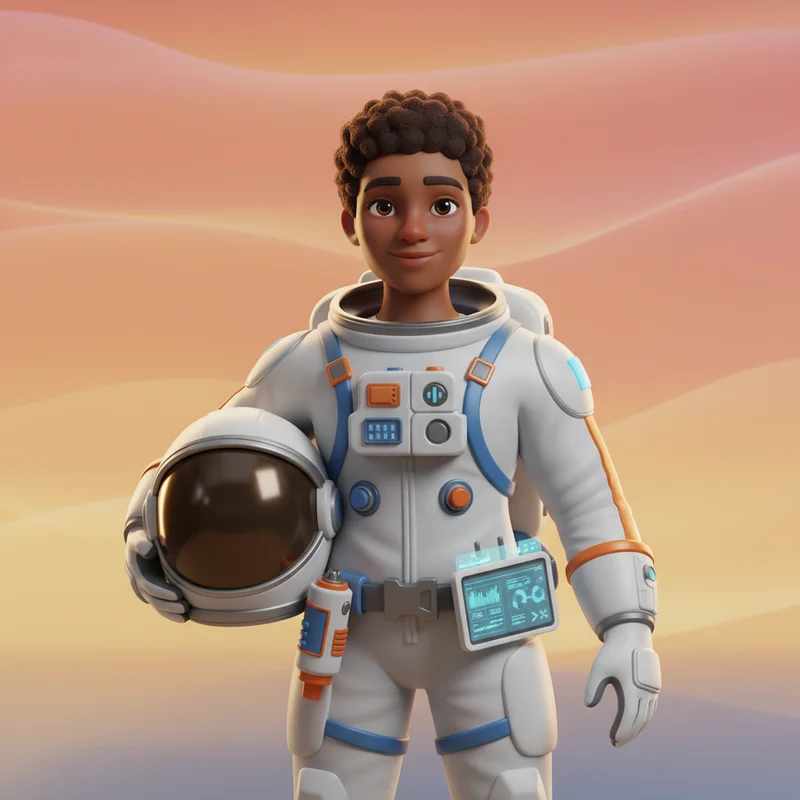
Space explorer pushing human boundaries.

Battle Analysis

Speed astronaut Wins
30%
70%
Electric Scooter Astronaut

Electric Scooter

Astronaut

The astronaut, when properly housed within their spacecraft, routinely achieves velocities of 28,000 kilometres per hour in low Earth orbit—a figure that renders the electric scooter's performance somewhat quaint. During missions to the Moon, astronauts have exceeded 39,000 kilometres per hour. To reach Mars, velocities approaching 58,000 kilometres per hour become necessary.

However, one must acknowledge the considerable preparation time: years of training, months of mission planning, and hours of countdown sequences. The astronaut cannot simply step outside and achieve orbital velocity. The speed is spectacular, but the convenience is notably absent.

VERDICT

Orbital velocity of 28,000 km/h rather decisively outperforms the scooter's 30 km/h maximum
Reliability electric-scooter Wins
30%
70%
Electric Scooter Astronaut

Electric Scooter

Astronaut

The astronaut operates within humanity's most rigorously tested systems. Spacecraft undergo millions of hours of development, testing protocols that would make pharmaceutical trials appear casual. Every component faces redundancy requirements; every procedure anticipates multiple failure modes. The astronaut themselves undergoes exhaustive medical monitoring.

Yet reliability statistics reveal uncomfortable truths: of approximately 600 individuals who have reached space, eighteen have died during missions. The three per cent fatality rate exceeds most extreme sports. When astronaut systems fail, the consequences prove rather more terminal than a scooter's flat tyre.

VERDICT

A flat tyre is inconvenient; spacecraft failure is categorically fatal
Accessibility electric-scooter Wins
30%
70%
Electric Scooter Astronaut

Electric Scooter

Astronaut

Becoming an astronaut represents one of humanity's most exclusive career achievements. NASA's astronaut programme accepts approximately 0.04% of applicants—a selection rate that makes Oxbridge admissions appear positively welcoming. Candidates require advanced degrees, typically in engineering or science, thousands of hours of flight experience, and physical conditioning that would exhaust Olympic athletes.

The profession demands years of gruelling preparation, psychological evaluation, and the acceptance that one's workplace occasionally attempts to kill you. Total active astronauts worldwide number fewer than 600—a population smaller than most secondary schools.

VERDICT

Available to anyone with £300 versus a career requiring advanced degrees and 0.04% acceptance rates
Cultural impact astronaut Wins
30%
70%
Electric Scooter Astronaut

Electric Scooter

Astronaut

The astronaut occupies a mythological position in human consciousness. Since Yuri Gagarin's historic flight in 1961, astronauts have represented humanity's highest aspirations—literally. Children across cultures dream of space travel; the astronaut costume remains perennially popular at costume parties. Neil Armstrong's first steps on the Moon constitute one of history's most watched broadcasts.

The profession has inspired countless films, novels, and educational initiatives. Space agencies drive entire economies, and astronaut endorsements carry extraordinary weight. The cultural footprint extends from Tang breakfast drinks to Velcro—technologies the public incorrectly attributes to the space programme.

VERDICT

Inspiring humanity since 1961 versus reshaping urban transport policy since 2017
Global recognition astronaut Wins
30%
70%
Electric Scooter Astronaut

Electric Scooter

Astronaut

The astronaut achieves near-universal global recognition. From remote Amazonian communities to isolated Arctic settlements, the image of a suited figure floating in space transcends linguistic and cultural barriers. Space programmes have operated across ideological divides—American, Russian, Chinese, European, Indian, and Japanese astronauts share identical iconic status.

The astronaut represents humanity's collective achievement, owned by no single nation despite nationalistic mission branding. Educational curricula worldwide teach children about space exploration, ensuring generational transfer of astronaut recognition.

VERDICT

Universal recognition across all cultures versus primarily urban-dwelling developed nations
👑

The Winner Is

Astronaut

42 - 58

This comparison reveals a fundamental asymmetry in human ambition. The electric scooter solves immediate, practical problems: reducing urban congestion, providing affordable transport, and offering a mildly enjoyable way to navigate city streets. It is a tool of convenience, a product of iterative engineering designed for accessibility above all else.

The astronaut, conversely, embodies humanity's aspirational nature—the drive to exceed boundaries, to venture where survival is not guaranteed, to represent our species in the cosmos. The astronaut's journey serves no immediate practical purpose for the individual traveller; one cannot pop to space for groceries.

Yet in measuring impact, inspiration, and the advancement of human potential, the astronaut commands victory. The scooter may transport millions daily; the astronaut transports the imagination of billions. With a final score of 58-42, the astronaut claims this unusual competition.

Electric Scooter
42%
Astronaut
58%

Share this battle

More Comparisons