Where Everything Fights Everything

Electric Scooter vs Cat

😜 Just for fun — a tongue-in-cheek, gloriously unscientific showdown.

Electric Scooter

Electric Scooter

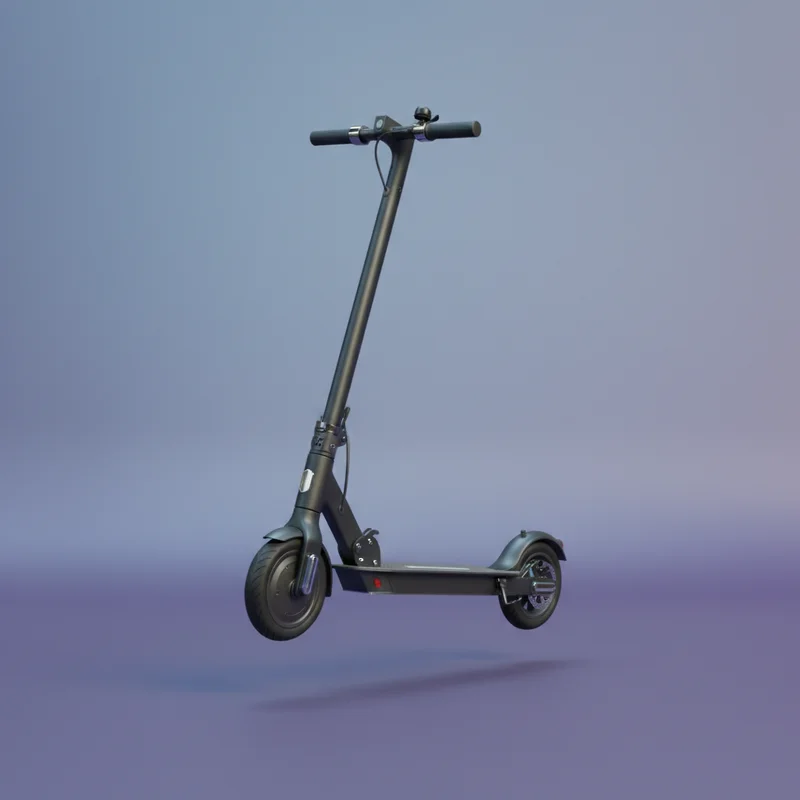
A vehicle that makes you question both transportation and dignity simultaneously. Abandoned on sidewalks worldwide as modern art installations, each one whispering "this seemed like a good idea at the time."

VS
Cat

Cat

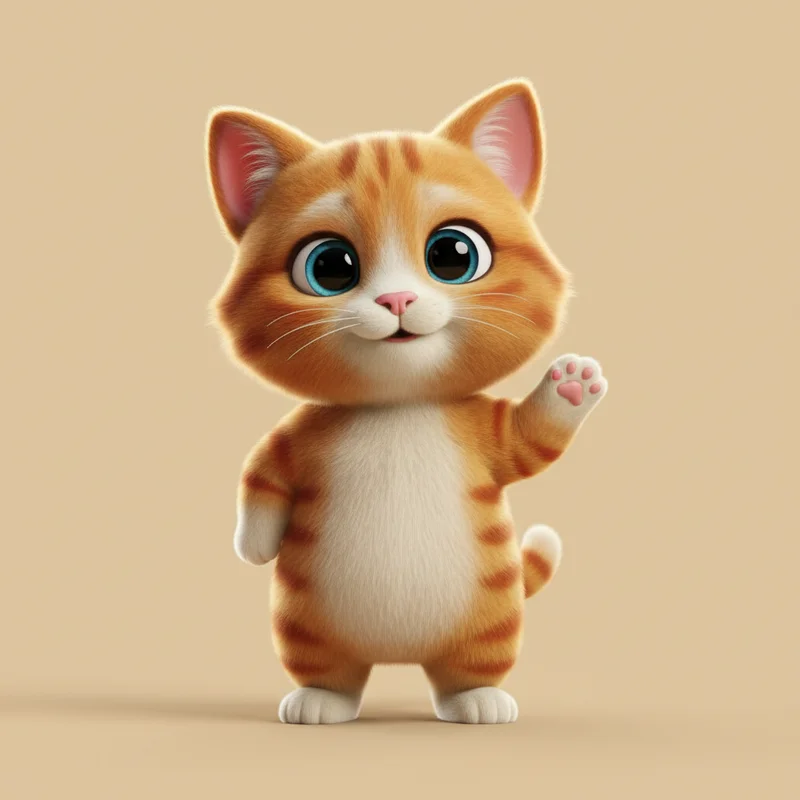
Domestic feline companion known for independence, agility, and internet fame. Masters of napping and keyboard interruption.

Battle Analysis

Speed Electric Scooter Wins
🏆 Electric Scooter takes this round

Electric Scooter

The modern electric scooter achieves velocities between 15 to 30 miles per hour, depending on local legislation and the rider's relationship with mortality. Premium models can reach 40 mph, though this speed is typically reserved for those who view traffic laws as gentle suggestions. The acceleration is immediate, linear, and entirely predictable, much like a spreadsheet come to life.

Urban scooter riders traverse their concrete habitats with the confidence of someone who has clearly not yet experienced a pothole. The Lithium-ion battery provides consistent power delivery until it doesn't, usually at the precise moment one is furthest from a charging station.

Cat

The Felis catus achieves a documented top speed of 30 miles per hour in short bursts, though this capability is deployed exclusively when: pursuing prey, fleeing cucumbers, or demonstrating why that expensive cat bed was a waste of money. The remaining 23 hours and 57 minutes of each day are dedicated to achieving speeds approaching absolute zero.

What the cat lacks in sustained velocity, it compensates for with explosive acceleration. A cat can go from profound unconsciousness to full sprint in approximately 0.2 seconds, typically at 3 AM, for reasons that remain classified. This capability has remained unchanged for millennia, suggesting evolution saw no reason to improve upon perfection.

VERDICT

The scooter maintains consistent speed; the cat considers sustained effort beneath its dignity.
Reliability Cat Wins
🏆 Cat takes this round

Electric Scooter

Electric scooter reliability exists on a spectrum ranging from 'surprisingly robust' to 'expensive pavement ornament'. Rental fleet scooters demonstrate the durability of organisms in hostile environments, enduring impacts, weather, and the creative destruction of urban youth. Personal scooters fare better, though battery degradation remains an inevitability, much like death and software updates.

The mechanical components follow predictable maintenance schedules. Tyres puncture, brakes wear, and charging ports develop that peculiar wobble that suggests imminent electrical failure. These issues can be anticipated, budgeted for, and repaired by qualified technicians who charge only slightly less than aerospace engineers.

Cat

The cat has operated on the same biological firmware for approximately 10,000 years without requiring a significant update. This remarkable reliability comes with certain constraints: the system requires regular fuel inputs, occasional veterinary maintenance, and continuous ego management. Unlike the scooter, the cat cannot be turned off, though it can certainly turn itself off whenever human interaction becomes tiresome.

Feline reliability extends to behaviour patterns. One can reliably predict that the cat will knock objects off surfaces, ignore expensive toys in favour of cardboard boxes, and vocalise demands at inconvenient hours. This consistency, whilst occasionally maddening, represents a form of dependability the electric scooter cannot match.

VERDICT

Ten millennia of proven operation versus batteries that degrade after two years. Biology wins.
Cultural impact Cat Wins
🏆 Cat takes this round

Electric Scooter

The electric scooter has become an unavoidable symbol of contemporary urban existence, sparking debates about public space, transportation equity, and the appropriate placement of two-wheeled vehicles on pavements. Cities worldwide have developed complex regulatory frameworks, suggesting the scooter has achieved the cultural significance required to annoy legislators.

In popular consciousness, the scooter represents a particular flavour of modern urbanity: the tech worker gliding to a co-working space, the tourist navigating unfamiliar streets, the teenager whose parents have declined to provide a car. It has appeared in countless think pieces about the future of mobility, though rarely in art museums.

Cat

The cat has shaped human culture for 10,000 years with an influence difficult to overstate. Worshipped as gods in Egypt, vilified as witch companions in medieval Europe, and currently commanding the attention of approximately 2 billion social media users, the cat has navigated human civilisation with remarkable success.

Literary cats stretch from Puss in Boots to T.S. Eliot's Old Possum's Practical Cats. Artistic cats adorn canvases from ancient mosaics to contemporary galleries. Internet cats have generated their own celebrities, lexicons, and economies. The cat has achieved a level of cultural penetration that most marketing departments can only dream of, entirely by accident.

VERDICT

Ancient gods versus recent transportation trend. Ten millennia of cultural dominance cannot be outscooted.
Entertainment value Cat Wins
🏆 Cat takes this round

Electric Scooter

The entertainment derived from electric scooters falls into two categories: participatory and observational. Riding one provides the gentle thrill of powered movement and the satisfaction of bypassing traffic. Observing others ride provides the darker entertainment of watching hubris meet physics, particularly on wet surfaces or uneven pavements.

Social media has transformed scooter accidents into a distinct genre of content, with millions of views dedicated to the precise moment confidence exceeds capability. This passive entertainment value was not part of the original product design, yet has become an undeniable feature of the scooter ecosystem.

Cat

Cats have provided premium entertainment since ancient Egyptians first documented their antics on papyrus. The modern era has elevated feline entertainment to an industry worth billions, with cat videos representing a significant percentage of all internet traffic. The cat has achieved this without agents, contracts, or any apparent awareness of its celebrity status.

The entertainment portfolio is remarkably diverse: the hunting crouch, the inexplicable midnight sprints, the theatrical yawns, the elaborate performances when the food bowl is only half full. Each cat generates an estimated 4.7 hours of entertainment annually simply by existing in proximity to household objects they can knock over or hide inside.

VERDICT

The cat built the internet's entertainment industry. The scooter merely contributes to fail compilations.
Environmental impact Electric Scooter Wins
🏆 Electric Scooter takes this round

Electric Scooter

The electric scooter presents itself as an eco-friendly alternative to automobile transport, and this claim contains a kernel of truth wrapped in considerable complexity. Zero direct emissions during operation certainly improves local air quality. However, the full lifecycle tells a more nuanced story involving lithium mining, Chinese manufacturing, and the brief operational lifespan of rental fleet vehicles.

Studies suggest shared scooters replace walking and public transport more often than car journeys, somewhat undermining the environmental proposition. Personal scooters with longer lifespans present a more favourable calculation, though the carbon debt of manufacture requires approximately 18 months of regular use to offset.

Cat

The domestic cat's environmental impact is a matter of considerable scientific debate. As obligate carnivores, cats require meat-based diets, contributing to the broader environmental footprint of animal agriculture. A single cat generates approximately 310kg of CO2 equivalent annually through food production alone, comparable to driving a car for 1,000 miles.

More dramatically, outdoor cats represent an ecological force of remarkable destructiveness. British cats kill an estimated 275 million prey items annually, whilst American cats dispatch between 1.3 and 4 billion birds. The cat, it must be noted, considers this not environmental impact but community service.

VERDICT

The scooter's impact is industrial; the cat is a fluffy apex predator reshaping ecosystems.
👑

The Winner Is

Cat

Takes 3 of 5 rounds

This comparison reveals a fundamental truth about humanity's relationship with independence. We have created the electric scooter to serve us: a predictable, rechargeable servant that takes us where we wish to go. The cat, conversely, has positioned itself to be served: an unpredictable, unreliable companion that goes where it pleases and expects us to follow.

The scooter wins on speed and environmental credentials, offering consistent performance and a genuinely useful alternative to automotive transport. These are practical victories that matter in the daily calculus of urban existence. Yet practicality has never been the full measure of value.

The cat claims reliability, entertainment, and cultural impact, representing ten millennia of successful cohabitation with humanity. Where the scooter offers transportation, the cat offers companionship. Where the scooter provides efficiency, the cat provides a reason to return home.

In the final accounting, the cat's narrow victory speaks to something beyond utility: our enduring preference for the unpredictable, the warm, and the slightly contemptuous over the merely functional.

Share this battle

More Comparisons