Electric Scooter
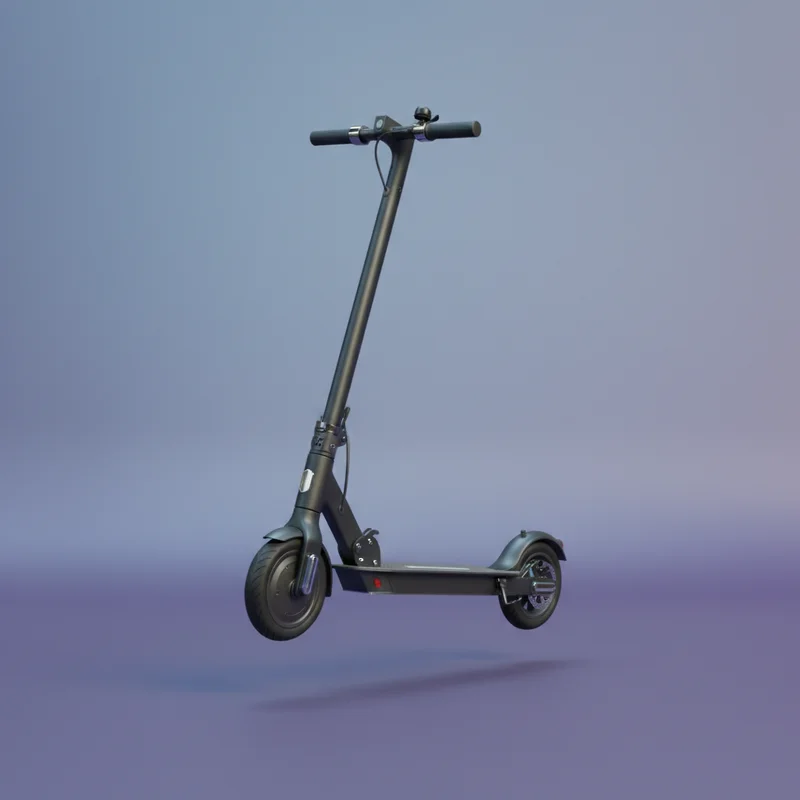
The electric scooter achieves maximum velocities of 15-20 miles per hour in most commercial configurations, with regulations in many jurisdictions enforcing lower limits. This places the device in an awkward transportation middle ground: too fast for pedestrian infrastructure, too slow for vehicular roadways.
In optimal conditions, an electric scooter covers the legendary last mile in approximately 3-4 minutes, compared to 15-20 minutes of walking. This temporal savings of roughly 12 minutes is frequently cited by scooter evangelists as transformative, though critics note this calculation rarely accounts for time spent locating an available scooter, downloading applications, entering payment information, and explaining to emergency room personnel how exactly one came to fracture a wrist.
Acceleration characteristics prove adequate for urban environments, with most models reaching top speed within 5-8 seconds. The experience has been described as approximately equivalent to riding a motorized skateboard while wearing formal attire, which is to say neither dignified nor particularly efficient.
iPhone
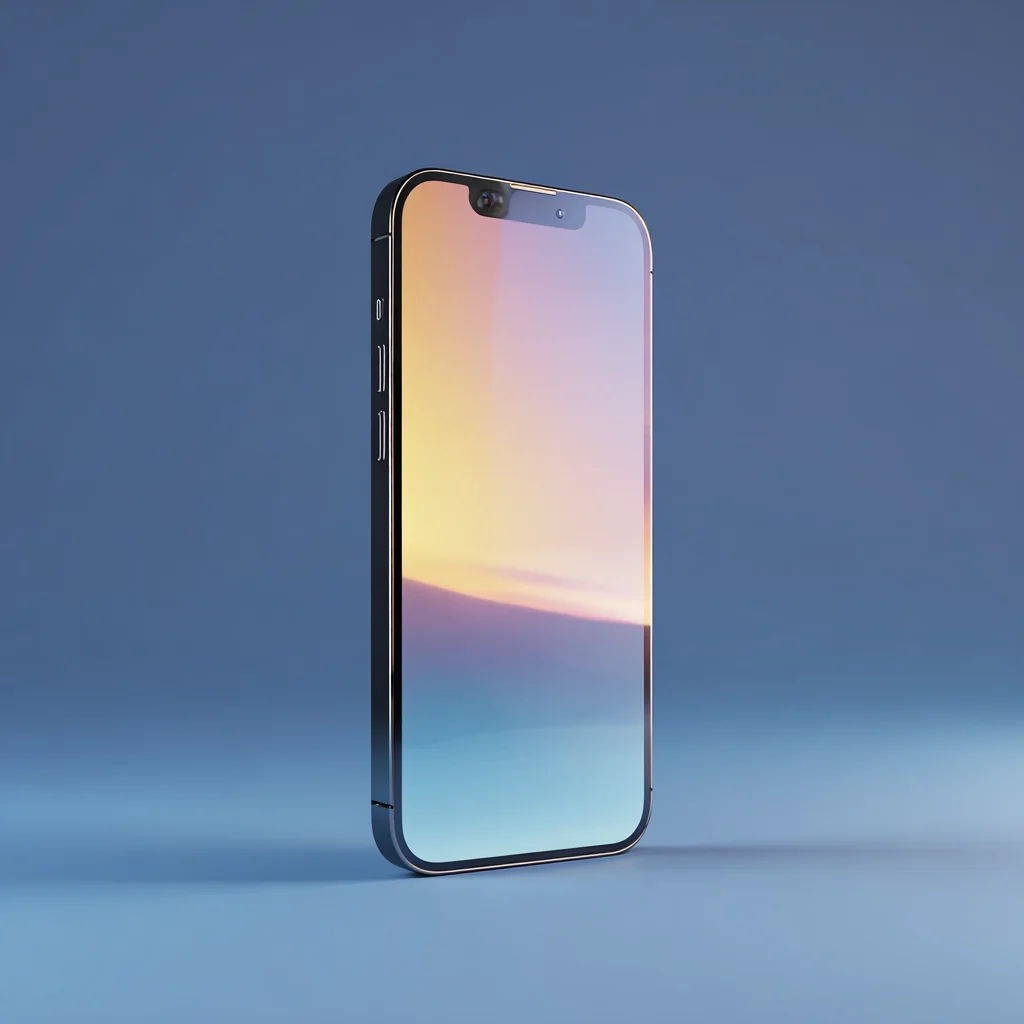
The iPhone operates at computational velocities that render discussion of physical speed somewhat irrelevant. The A17 Pro processor executes 17 trillion operations per second, a figure that exists primarily to impress investors rather than inform consumers.
From a practical speed perspective, the iPhone delivers information to users at rates constrained primarily by network connectivity and human cognitive processing. A push notification arrives within milliseconds of transmission. The subsequent anxiety it generates in the recipient may persist for hours.
The device enables users to summon transportation rather than provide it directly. Through applications like Uber and Lyft, an iPhone user can arrange vehicular transit in 3-8 minutes, arriving at their destination in climate-controlled comfort while the scooter enthusiast arrives perspiring and questioning life choices. The iPhone's approach to speed involves delegating motion rather than facilitating it personally.
VERDICT
When evaluating speed as autonomous velocity through physical space, the electric scooter demonstrates a capability the iPhone entirely lacks. The telephone cannot transport its user anywhere; it can merely connect them with entities willing to provide transportation for a fee.
The scooter offers immediate self-directed movement at speeds exceeding comfortable human ambulation by a factor of four. This independence from third-party transportation services represents genuine capability rather than mere intermediation.
For pure locomotion speed under direct user control, the electric scooter prevails. The iPhone's computational velocity, while impressive, does not actually move anyone anywhere. Silicon Valley has yet to solve this particular limitation of the smartphone form factor.