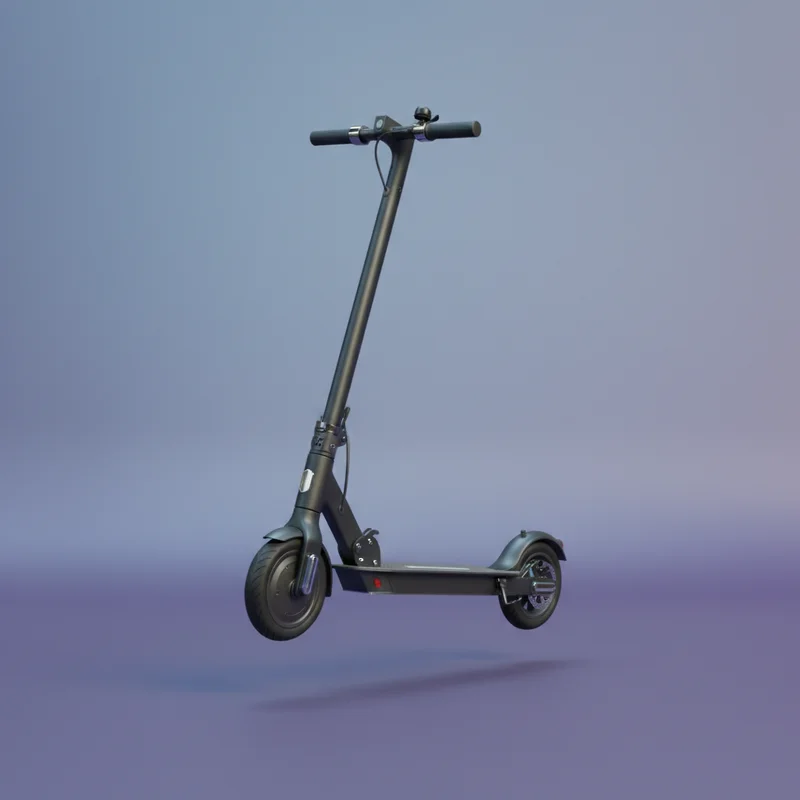

Electric Scooter
The modern electric scooter achieves a maximum velocity of approximately 25 kilometres per hour, though local regulations often mandate electronic limiting to a more sedate 15.5 mph. This represents humanity's curious tendency to invent something exciting and then immediately legislate away the excitement. The acceleration is smooth, silent, and entirely dependent upon battery charge—a scooter at 3% performs with all the urgency of a pensioner after Christmas lunch.
The scooter's speed advantage lies in consistency. It maintains pace without fatigue, without hunger, and without the distraction of spotting a Thomson's gazelle in the distance. However, it achieves this reliability through profound inflexibility; there is no 'burst mode' for emergencies, no adrenaline surge when the situation demands it.
Lion
The lion, Panthera leo, achieves burst speeds of up to 80 kilometres per hour—more than three times the scooter's maximum. This velocity, however, comes with significant terms and conditions. A lion can only maintain such speeds for approximately 100 metres before the biological equivalent of thermal throttling kicks in. Their approach to speed mirrors their approach to life: brief, intense bursts of extraordinary effort followed by up to 20 hours of aggressive napping.
What the lion lacks in endurance, it compensates for in sheer dramatic impact. There is no 'gentle acceleration' phase. A stationary lion transforms into a ballistic carnivore in approximately 0.5 seconds, achieving speeds that would earn it several points on a driving licence if such things applied to apex predators.