Where Everything Fights Everything

Electric Scooter vs Mars

😜 Just for fun — a tongue-in-cheek, gloriously unscientific showdown.

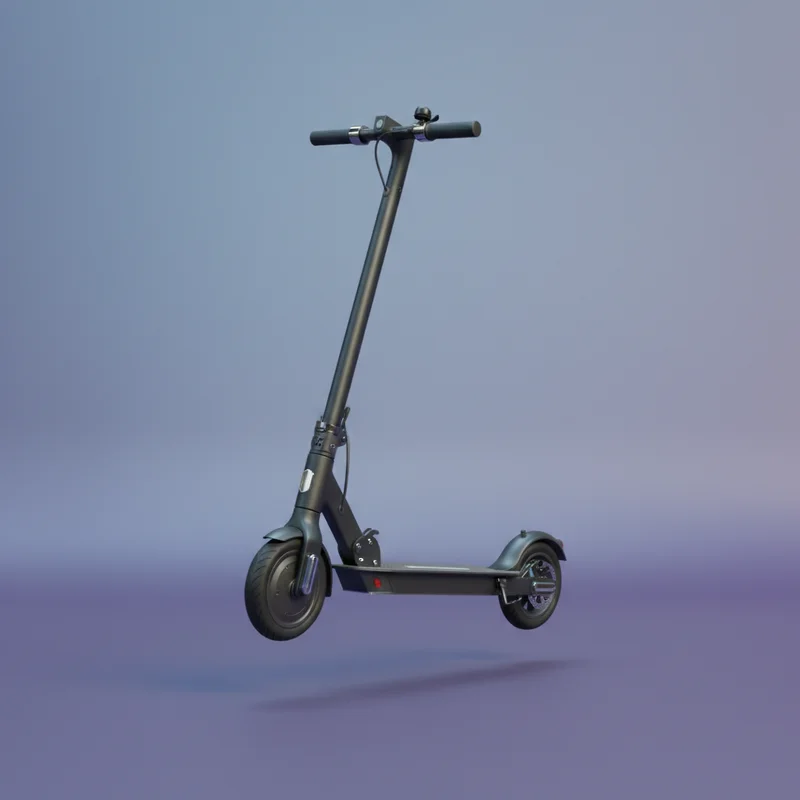
Electric Scooter

Electric Scooter

A vehicle that makes you question both transportation and dignity simultaneously. Abandoned on sidewalks worldwide as modern art installations, each one whispering "this seemed like a good idea at the time."

VS
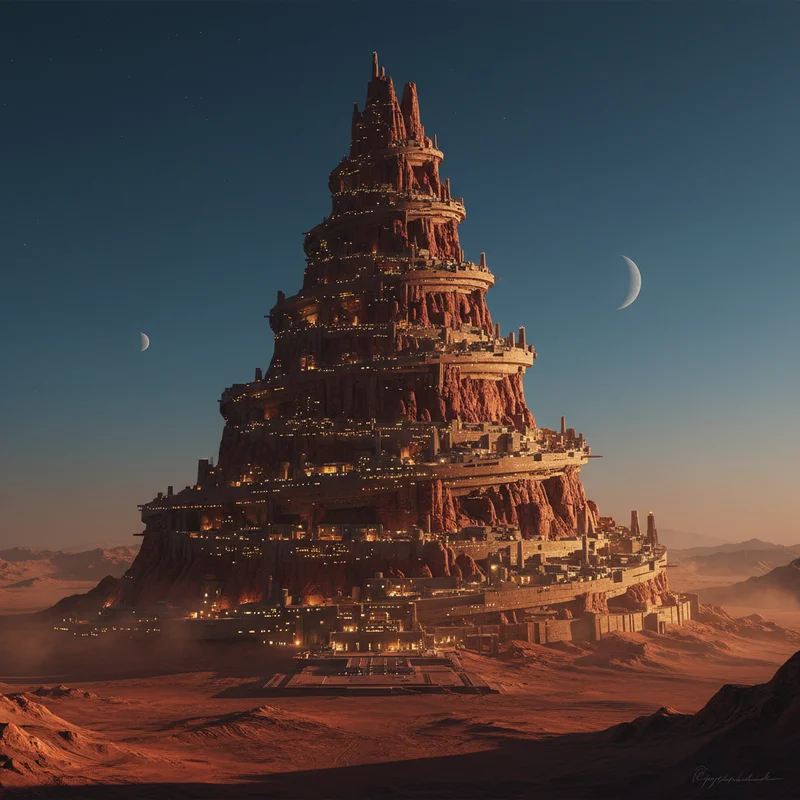
Mars

Mars

Red planet and humanity's next frontier.

Battle Analysis

Durability Mars Wins
🏆 Mars takes this round

Electric Scooter

The electric scooter, despite its metallic construction, demonstrates what engineers might diplomatically term variable longevity. Shared scooters in urban environments face a brutal existence - exposure to weather, vandalism, and the enthusiastic handling of users who treat them with all the care one might show a rental property. Studies suggest the average shared scooter survives approximately 28 days of service before requiring significant repair or retirement. Private scooters fare somewhat better, with quality models lasting 3-5 years under careful stewardship. The lithium batteries that power them degrade with each charge cycle, a ticking clock of obsolescence.

Mars

Mars has demonstrated rather more impressive staying power. The planet has maintained its orbital trajectory for approximately 4.5 billion years, weathering solar winds, asteroid bombardments, and the loss of its magnetic field with stoic indifference. Its surface features, whilst subject to dust storms of continental scale, remain largely unchanged over geological timescales. The Olympus Mons volcano has stood dormant for millions of years, patiently awaiting any challenger. Mars requires no battery replacement, no firmware updates, and no maintenance whatsoever. It simply persists, a rust-coloured monument to planetary durability.

VERDICT

Mars has existed for 4.5 billion years; the average rental scooter survives 28 days.
Accessibility Electric Scooter Wins
🏆 Electric Scooter takes this round

Electric Scooter

The electric scooter has achieved something remarkable in the annals of transportation: near-universal accessibility. In over 600 cities worldwide, one need only download an application, scan a code, and commence one's journey. The barriers to entry are refreshingly minimal - a smartphone, basic balance, and approximately fifteen pence per minute. The learning curve, whilst occasionally demonstrated in spectacular fashion on YouTube, typically spans mere minutes. Even children have mastered the art, much to the consternation of pedestrians everywhere. The scooter asks nothing of its rider beyond the ability to stand upright and maintain a loose grip on handlebars.

Mars

Mars, by contrast, presents what scientists might charitably describe as access challenges. No amount of smartphone applications will summon a convenient Mars rental. The journey requires approximately seven months of travel through the unforgiving void of space, exposure to cosmic radiation, and the minor inconvenience of a planet with no breathable atmosphere. Surface temperatures averaging minus sixty degrees Celsius render casual visits inadvisable. To date, precisely zero humans have successfully accessed Mars, though several robotic emissaries have made the journey. The application process for Mars colonisation, should it ever open, will undoubtedly require more than a valid credit card.

VERDICT

The scooter wins decisively - one requires a smartphone, the other requires solving interplanetary travel.
Cultural impact Mars Wins
🏆 Mars takes this round

Electric Scooter

The electric scooter has carved a peculiar niche in contemporary culture. It has become simultaneously a symbol of urban innovation and a source of considerable civic controversy. Cities worldwide have grappled with the scooter question - where should they be ridden? Where parked? Who is liable when they inevitably collide with something? The scooter has spawned regulations, lawsuits, and countless social media debates. It has transformed urban landscapes, created new gig economy jobs, and inspired a generation of helmet-averse commuters. The cultural footprint, whilst significant, remains largely confined to discussions of municipal policy and A&E waiting room statistics.

Mars

Mars occupies an altogether different stratum of cultural significance. The Red Planet has inspired humanity for over 4,000 years, from ancient Babylonian astronomers who named it after their god of war, to modern filmmakers who have imagined its colonisation in countless productions. Mars has shaped religious beliefs, scientific inquiry, and popular imagination in equal measure. The War of the Worlds, The Martian, and countless other works have cemented Mars as humanity's cosmic obsession. The planet's ruddy glow has inspired everything from chocolate bars to musical compositions. Mars represents humanity's deepest questions: Are we alone? Can we become a multi-planetary species?

VERDICT

Mars has captivated human imagination for millennia; scooters have captivated city councils for a decade.
Global recognition Mars Wins
🏆 Mars takes this round

Electric Scooter

The electric scooter enjoys substantial but geographically uneven recognition. In urban centres from San Francisco to Singapore, the scooter has become an inescapable feature of the streetscape. Yet venture into rural areas or developing nations, and recognition diminishes markedly. The scooter remains primarily a phenomenon of wealthy, dense urban environments. Market research suggests approximately 130 million people have used shared scooter services, a figure representing less than two percent of global population. The scooter's fame, whilst growing, remains confined to specific demographic and geographic segments.

Mars

Mars achieves something approaching universal recognition. Visible to the naked eye from every inhabited continent, the Red Planet has been observed and named by virtually every human civilisation. From the Aztec Huitzilopochtli to the Roman Mars to the Chinese Yinghuo, cultures worldwide have developed independent mythologies around this celestial wanderer. Modern surveys suggest over 95% of adults can identify Mars by name. The planet features on postage stamps, currency, and national space programme logos across dozens of nations. Mars transcends linguistic and cultural barriers in a manner few entities - living or otherwise - can claim.

VERDICT

Mars is recognised by virtually all human civilisations; scooters remain an urban phenomenon.
Environmental impact Electric Scooter Wins
🏆 Electric Scooter takes this round

Electric Scooter

The electric scooter presents a complex environmental calculus. Proponents herald it as a green alternative to car journeys, producing zero direct emissions whilst gliding silently through urban canyons. Yet the full lifecycle analysis proves more nuanced. Manufacturing requires rare earth minerals, batteries demand lithium extraction, and the frequent replacement of shared fleet vehicles generates considerable waste. Studies from North Carolina State University suggest scooters produce approximately 202 grams of CO2 per mile when accounting for manufacturing, collection, and charging. Still, this compares favourably to the average car's 404 grams per mile. The scooter's environmental virtue remains contested but defensible.

Mars

Mars, being an uninhabited celestial body, maintains what might be called perfect environmental neutrality. It neither consumes resources nor produces emissions. Its thin carbon dioxide atmosphere, whilst useless for human respiration, contributes nothing to climate change on any planet. However, the act of reaching Mars carries substantial environmental costs. A single rocket launch can produce 200-300 tonnes of CO2, and the manufacturing of spacecraft involves considerable industrial activity. The planet itself remains pristine - a 144.8 million square kilometre expanse untouched by human pollution. Whether this constitutes environmental virtue or simply absence of opportunity remains philosophically debatable.

VERDICT

Scooters offer tangible emission reductions; Mars's neutrality comes from being entirely inaccessible.
👑

The Winner Is

Mars

Takes 3 of 5 rounds

Our analysis reveals a contest of temporal scales and ambition. The electric scooter excels in the immediate and practical - it is accessible, tangible, and addresses genuine human needs with admirable efficiency. One can ride a scooter today, solving the eternal question of how to traverse those frustrating final stretches of urban geography. Mars, however, operates on an altogether grander canvas. It has shaped human culture for millennia, will outlast our civilisation by billions of years, and represents the ultimate frontier of human expansion. The scooter asks: How do we move through our cities? Mars asks: What is humanity's destiny among the stars? Both questions matter, but one resonates across the ages whilst the other will be forgotten when the next transportation innovation emerges. Mars claims victory not through utility but through its profound grip on human imagination and its patient, eternal presence in our night sky.

Share this battle

More Comparisons