Topic Battle

Where Everything Fights Everything

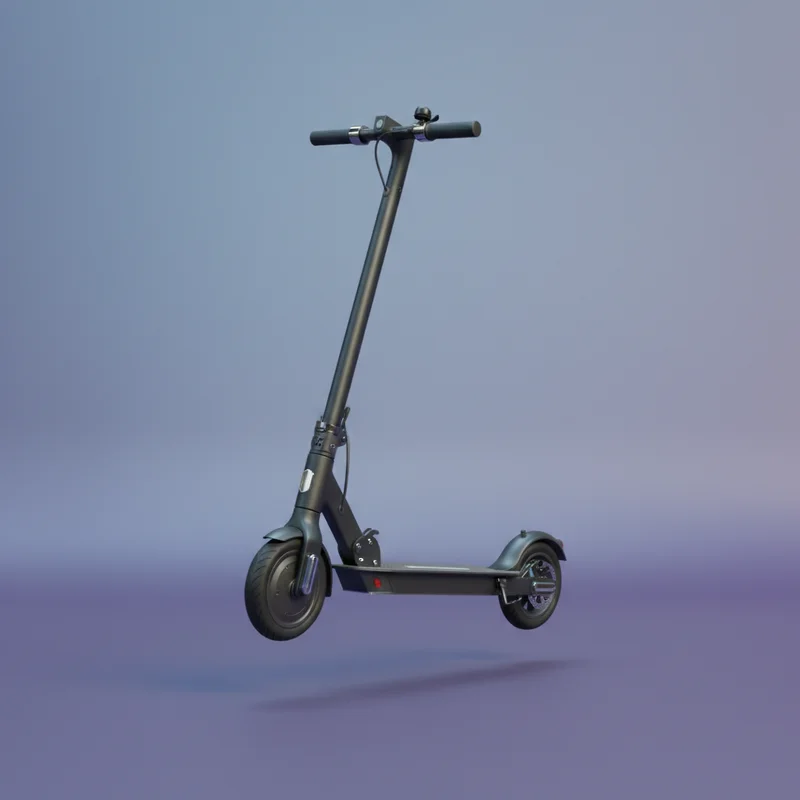
Electric Scooter

Electric Scooter

A vehicle that makes you question both transportation and dignity simultaneously. Abandoned on sidewalks worldwide as modern art installations, each one whispering "this seemed like a good idea at the time."

VS
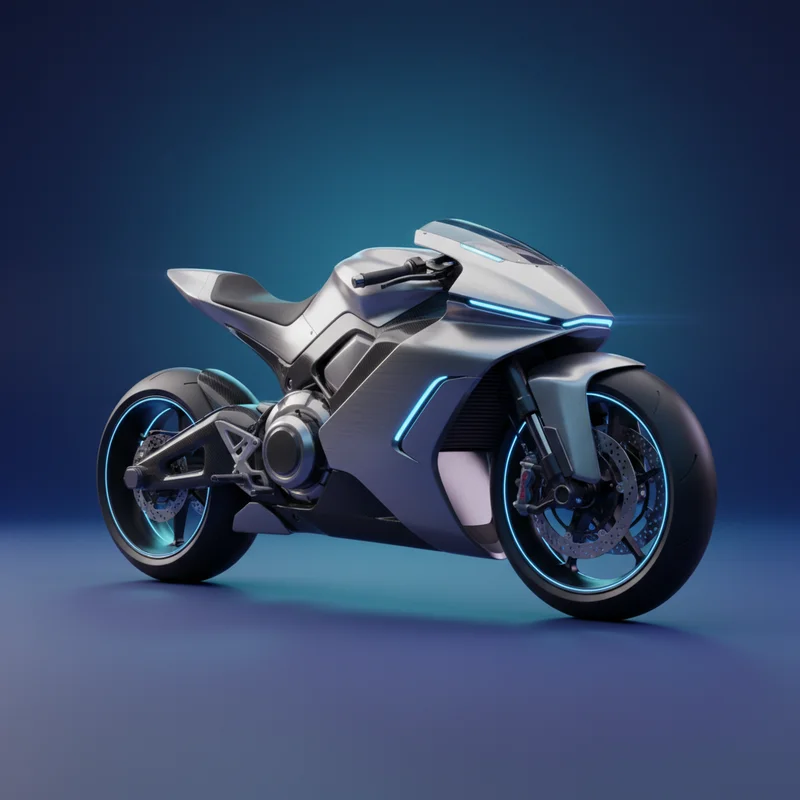
Motorcycle

Motorcycle

Two-wheeled motorized freedom machine.

Battle Analysis

Speed motorcycle Wins
30%
70%
Electric Scooter Motorcycle

Electric Scooter

Motorcycle

The motorcycle's relationship with speed is one of passionate commitment. Entry-level machines casually achieve 160 kilometres per hour, whilst sports variants routinely exceed 300 km/h - velocities at which the human body begins to reconsider its evolutionary choices. This represents not merely transportation but controlled recklessness made manifest.

Acceleration varies from 'brisk' to 'inadvisable', with high-performance motorcycles achieving 0-100 km/h times that would embarrass most supercars. The motorcycle does not merely travel; it arrives with authority. Highway capability is absolute, rendering any journey not merely possible but potentially thrilling.

VERDICT

The motorcycle achieves velocities that would cause an electric scooter to file a formal complaint with physics.
Convenience electric-scooter Wins
30%
70%
Electric Scooter Motorcycle

Electric Scooter

Motorcycle

The motorcycle approaches convenience with magnificent indifference. Parking requires dedicated spaces; storage demands a garage or the acceptance of weather exposure. The machine cannot be folded, carried, or in any meaningful sense made compact. It exists in full dimension at all times.

Licensing requirements involve theory tests, practical examinations, and progressive certificate categories. Insurance documentation must be maintained; MOT inspections scheduled; fuel stations located. Yet this administrative burden is reframed by enthusiasts as investment rather than inconvenience. The motorcycle rewards commitment with unlimited range and weather-independent transport.

VERDICT

The ability to carry one's vehicle into a coffee shop represents an unassailable convenience advantage.
Affordability electric-scooter Wins
30%
70%
Electric Scooter Motorcycle

Electric Scooter

Motorcycle

The motorcycle demands financial commitment of a more substantial nature. Entry-level machines begin at 3,000 pounds, whilst mid-range options occupy the 5,000-15,000 pound territory. Premium motorcycles exceed 25,000 pounds, at which point one is no longer purchasing transport but rather investing in identity.

Ongoing expenses accumulate with the determination of compound interest. Fuel costs, mandatory insurance, MOT certificates, maintenance schedules, and protective equipment conspire to create annual outlays that would fund several electric scooter fleets. The motorcycle asks not merely for payment but for financial devotion.

VERDICT

When one option costs less than the other's insurance premium, the mathematics become rather conclusive.
Cultural impact motorcycle Wins
30%
70%
Electric Scooter Motorcycle

Electric Scooter

Motorcycle

The motorcycle has accumulated cultural significance like a magnet attracts iron filings. From Marlon Brando's 'Wild One' to the Hell's Angels, from Easy Rider to countless music videos, the machine has become synonymous with freedom, rebellion, and the refusal to sit in traffic like a sensible person.

This mythology extends beyond entertainment into social ritual. Motorcycle clubs, touring communities, and café racer culture have created parallel societies united by two-wheeled devotion. The motorcycle offers not merely transport but tribal membership. It is the difference between commuting and making a statement.

VERDICT

A century of cultural mythology cannot be challenged by a device that folds for storage.
Environmental impact electric-scooter Wins
30%
70%
Electric Scooter Motorcycle

Electric Scooter

Motorcycle

The motorcycle's environmental contribution is best described as enthusiastically negative. Modern fuel-efficient models produce approximately 80-120 grams of CO2 per kilometre, whilst older or sportier variants approach levels that would make a coal plant blush. The machine does not apologise for this; it simply continues existing.

In fairness, motorcycles remain more efficient than cars, occupying the moral middle ground between electric virtue and SUV excess. They require fewer resources to manufacture, less space to park, and less infrastructure to support. The motorcycle's defence might be summarised as: 'At least I'm not a Land Rover.'

VERDICT

Zero tailpipe emissions versus combustive enthusiasm represents a clear victory for the silent contender.
👑

The Winner Is

Motorcycle

45 - 55

The contest between electric scooter and motorcycle ultimately reflects a fundamental question about personal transport: does one wish to simply arrive, or does one wish to experience the journey?

The electric scooter excels in practicality, affordability, and environmental responsibility. It asks little and delivers precisely what is promised. For urban commuters navigating congested cities, it represents the rational choice - though rationality has never made anyone's heart beat faster.

The motorcycle demands more: more money, more skill, more commitment, more acceptance of risk. In return, it offers freedom of the sort that cannot be quantified in spreadsheets. It provides cultural membership, genuine capability, and the ineffable satisfaction of mechanical mastery.

By the narrowest of margins, the motorcycle claims victory - not because it is objectively superior, but because it addresses human needs that extend beyond mere transportation. The electric scooter is an excellent tool. The motorcycle is a way of life.

Electric Scooter
45%
Motorcycle
55%

Share this battle

More Comparisons