
Topic Battle

Where Everything Fights Everything

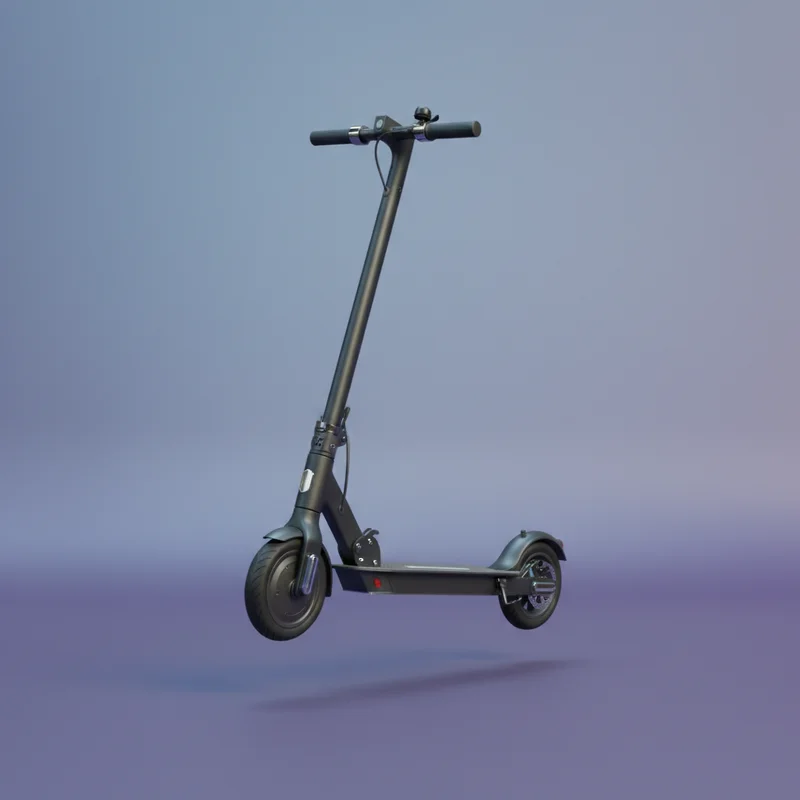
Electric Scooter

Electric Scooter

A vehicle that makes you question both transportation and dignity simultaneously. Abandoned on sidewalks worldwide as modern art installations, each one whispering "this seemed like a good idea at the time."

VS
Pigeon

Pigeon

Urban survivor, descendant of war heroes, professional breadcrumb enthusiast. Either a "rat with wings" or a "rock dove" depending on whether you're trying to sound sophisticated. Has seen things. Judges you anyway.

The Matchup

In the complex ecosystem of modern urban environments, few rivalries capture the tension between technological innovation and evolutionary perfection quite like the contest between the electric scooter and the common pigeon.

The electric scooter emerged in the late 2010s as a product of Silicon Valley ambition and venture capital enthusiasm, promising to solve the so-called last-mile transportation problem through app-based accessibility and zero-emission operation.

The pigeon, Columba livia domestica, requires no such introduction. This species has maintained continuous urban residence for approximately 5,000 years, having been domesticated in ancient Mesopotamia before spreading to every major city on Earth. Both entities now compete for the same sidewalk space, face similar municipal regulations, and have developed complex relationships with urban pedestrians.

Battle Analysis

Speed Pigeon Wins
30%
70%
Electric Scooter Pigeon

Electric Scooter

The electric scooter achieves a maximum velocity of 15-20 mph under optimal conditions, with most municipal regulations capping operational speed at 15 mph for safety compliance.

Acceleration from standstill to top speed occurs within 4-6 seconds on flat terrain. This performance enables coverage of one mile in roughly four minutes, assuming unobstructed travel and adequate battery capacity.

Pigeon

The common pigeon maintains a cruising speed of 50-60 mph during sustained flight, with documented sprint velocities exceeding 90 mph when evading aerial predators such as peregrine falcons.

Racing pigeons have been clocked at 92.5 mph over short distances. A pigeon can traverse one mile in under sixty seconds. The species achieved historical significance precisely because of this velocity advantage, serving as military message carriers from ancient Rome through World War II.

VERDICT

The velocity differential proves substantial and decisive. While the electric scooter offers respectable ground-based speed for a personal transportation device, it cannot compete with a creature that evolution specifically optimized for rapid aerial transit over millions of years.

The pigeon exceeds scooter velocity by a factor of three to four under normal operating conditions, and by a factor of six during evasive maneuvers. This category belongs to the pigeon by an insurmountable biological margin.

Durability Pigeon Wins
30%
70%
Electric Scooter Pigeon

Electric Scooter

Industry analyses from Bird, Lime, and other fleet operators indicate an average operational lifespan of 3-4 months for shared scooters under heavy urban use patterns.

Private ownership models extend functional life to 2-3 years with proper maintenance. Common failure points include lithium-ion battery degradation after 500-800 charge cycles, brake system wear, and frame structural damage from impacts and vandalism.

Pigeon

Individual pigeons achieve lifespans of 3-6 years in urban environments, with exceptional specimens documented surviving beyond 15 years in protected settings.

The species demonstrates remarkable resilience to environmental stressors including temperature extremes, pollution, and dietary inconsistency. More significantly, pigeons possess biological self-repair capabilities, regenerating feathers, healing bone fractures, and recovering from injuries without external intervention.

VERDICT

When evaluating durability at both individual and population levels, the pigeon presents advantages that manufactured devices cannot replicate.

A single pigeon typically outlasts multiple generations of electric scooters while requiring no maintenance budget. The pigeon population regenerates autonomously through reproduction, while scooter fleets require continuous manufacturing, distribution, and maintenance infrastructure. The biological self-repair model proves inherently more durable.

Global reach Pigeon Wins
30%
70%
Electric Scooter Pigeon

Electric Scooter

Electric scooter services currently operate in approximately 100-150 cities across North America, Europe, and select Asian markets.

Geographic expansion remains constrained by regulatory approval, infrastructure requirements, and market viability assessments. Large portions of the global urban population have limited or no access to electric scooter services.

Pigeon

Pigeons maintain permanent breeding populations in virtually every city on Earth exceeding 10,000 inhabitants, spanning all inhabited continents.

This global distribution was achieved without municipal approval, infrastructure investment, or venture capital funding. The pigeon achieved comprehensive global urban market saturation through independent biological action over millennia.

VERDICT

Global reach comparison yields a decisive and unambiguous result. The electric scooter remains a niche service available to a small fraction of the world's urban population.

The pigeon has achieved total market penetration across global urban environments without marketing or logistics networks. In worldwide metropolitan presence, the pigeon has already won a competition the scooter has barely entered.

Affordability Pigeon Wins
30%
70%
Electric Scooter Pigeon

Electric Scooter

Consumer purchase prices for quality electric scooters range from $300 to $1,200 depending on specifications and brand positioning.

Shared rental services typically charge $1 to unlock plus $0.15-0.39 per minute, averaging $4-12 per trip. Total cost of ownership over a three-year period typically exceeds $600 for entry-level models, including charging and maintenance.

Pigeon

Pigeons require zero acquisition cost. Specimens are freely available in unlimited quantities across all urban environments worldwide.

Operational costs total zero dollars from the user perspective, as pigeons independently source nutrition from environmental resources. No maintenance fees, insurance requirements, software subscriptions, or municipal licensing costs apply to pigeon utilization.

VERDICT

From a pure economic standpoint, meaningful competition does not exist in this category. The electric scooter requires significant capital investment and ongoing operational expenditure.

The pigeon operates on a completely cost-free model that has remained stable for millennia. The pigeon's zero-cost acquisition and operation model is mathematically unassailable.

Sustainability Pigeon Wins
30%
70%
Electric Scooter Pigeon

Electric Scooter

Electric scooter manufacturing requires lithium-ion batteries containing cobalt and lithium extracted through mining operations, aluminum frames produced via energy-intensive smelting, and electronic components from complex global supply chains.

While operational emissions are technically zero at point of use, lifecycle analyses indicate significant environmental impact from production and disposal phases. Battery recycling infrastructure remains underdeveloped.

Pigeon

The pigeon operates on a fully renewable biological model requiring no industrial inputs. Energy derives entirely from food waste and organic matter that would otherwise require municipal disposal.

Reproduction is carbon-neutral. End-of-life decomposition returns all biological materials to natural nutrient cycles without specialized processing. The pigeon has maintained this sustainable operational model for approximately 5 million years.

VERDICT

Sustainability metrics strongly favor the biological model. The electric scooter, despite marketing as eco-friendly, carries substantial embodied carbon from manufacturing and relies on extractive mining industries.

The pigeon represents a genuine closed-loop system requiring no external industrial inputs. For authentic sustainability credentials, evolutionary solutions outperform engineered alternatives.

👑

The Winner Is

Pigeon

25 - 75

This analysis concludes with a definitive 75-25 victory for the pigeon across all evaluated metrics. This outcome reflects fundamental advantages inherent to biological systems refined through millions of years of evolutionary optimization.

The electric scooter represents a sincere human effort to address urban mobility through engineering innovation. However, when evaluated without bias toward technological novelty, it cannot compete with an organism specifically optimized for this environment.

The pigeon flies faster, survives longer, costs nothing, functions sustainably, and has established presence in every city on Earth. This outcome acknowledges that biological evolution had a considerable head start.

Electric Scooter
25%
Pigeon
75%

Share this battle

More Comparisons