Where Everything Fights Everything

Electric Scooter vs Pikachu

😜 Just for fun — a tongue-in-cheek, gloriously unscientific showdown.

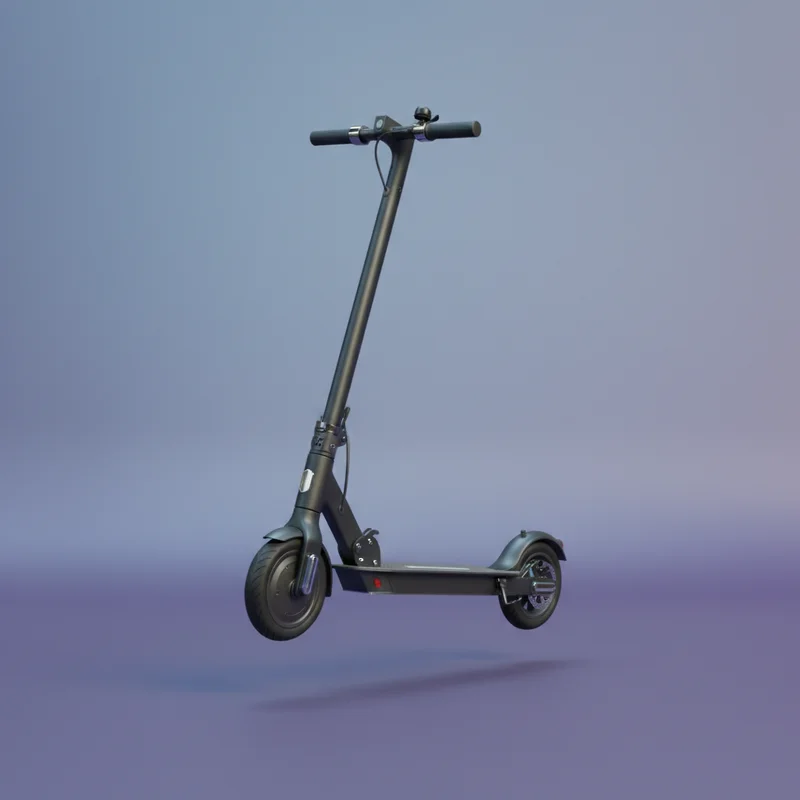
Electric Scooter

Electric Scooter

A vehicle that makes you question both transportation and dignity simultaneously. Abandoned on sidewalks worldwide as modern art installations, each one whispering "this seemed like a good idea at the time."

VS
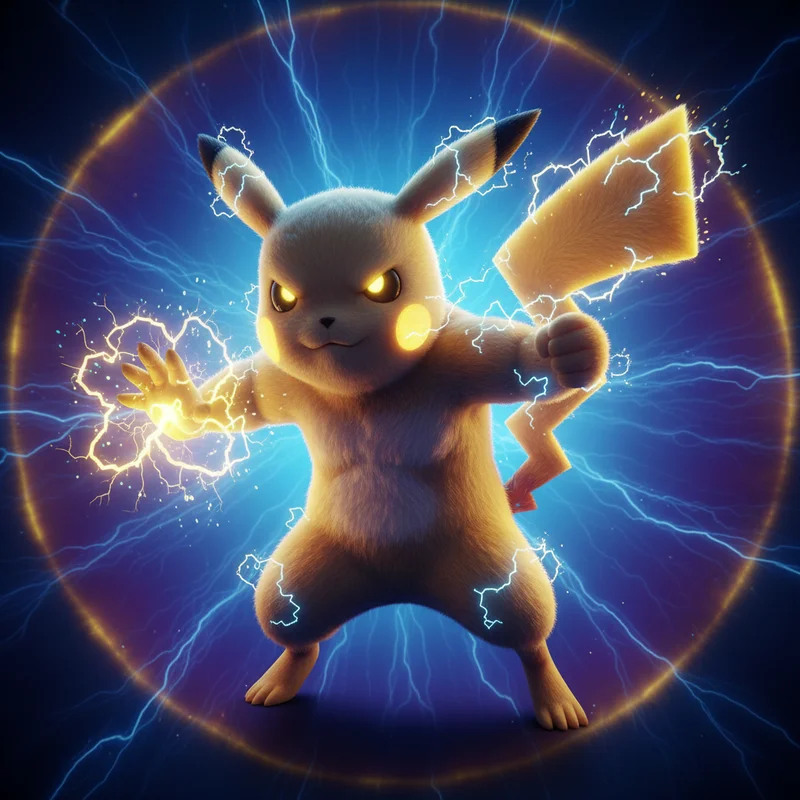
Pikachu

Pikachu

Electric mouse Pokemon and franchise mascot.

Battle Analysis

Reliability Pikachu Wins
🏆 Pikachu takes this round

Electric Scooter

Electric scooters present a mixed reliability profile. Battery degradation typically limits useful lifespan to 2-4 years of regular use, whilst shared fleet scooters often survive merely 28 days on average before requiring repair or replacement. The solid-state engineering proves generally dependable, but punctures, brake failures, and electronic malfunctions remain common complaints. Weather dependency further compromises reliability, with rain, snow, and extreme temperatures significantly reducing both performance and safety margins.

Pikachu

Within its fictional context, Pikachu demonstrates extraordinary reliability. The creature has appeared consistently in every generation of Pokemon media since 1996, never once failing to discharge electricity on command or abandoning its trainer. The character's emotional consistency, its unwavering loyalty and determination, represents a form of reliability that transcends mechanical concerns. Pikachu has never required a software update, never suffered a recall, and has maintained perfect brand consistency for nearly three decades.

VERDICT

Pikachu has maintained perfect consistency for 28 years, whilst scooters average 28 days in shared fleets.
Cultural impact Pikachu Wins
🏆 Pikachu takes this round

Electric Scooter

The electric scooter has fundamentally altered urban mobility discourse, spawning new regulatory frameworks, infrastructure debates, and the entire concept of micro-mobility. It has created employment categories, inspired urban planning revisions, and generated approximately $1.7 billion in rental revenue by 2023. However, its cultural footprint remains primarily utilitarian. No child dreams of becoming an electric scooter. No films celebrate its heroism. It is respected, occasionally resented, but rarely loved.

Pikachu

Pikachu's cultural impact approaches the geological in scale. The Pokemon franchise, with Pikachu as its mascot, has generated over $100 billion in revenue, making it the highest-grossing media franchise in human history. Pikachu has appeared in diplomatic contexts, adorned official government communications, and influenced fashion, music, and art for three decades. The creature has shaped childhood development patterns for multiple generations and created lasting neural pathways of nostalgia in billions of human brains. This is not mere cultural impact; this is cultural terraforming.

VERDICT

Pikachu has generated $100 billion in franchise revenue and shaped the childhoods of multiple generations globally.
Energy efficiency Electric Scooter Wins
🏆 Electric Scooter takes this round

Electric Scooter

Modern electric scooters demonstrate impressive efficiency metrics, consuming approximately 1-2 kWh per 100 kilometres, translating to roughly 1p per mile in electricity costs. The regenerative braking systems employed by premium models recover up to 15% of kinetic energy during deceleration. Carbon footprint analysis suggests 50-70% reduction compared to car journeys. However, lifecycle assessments reveal concerning inefficiencies: battery production, short operational lifespans of shared units, and the van fleets required for redistribution somewhat tarnish the green credentials.

Pikachu

Pikachu's electrical generation defies conventional thermodynamics with cheerful disregard. The creature allegedly stores electricity in specialised cheek pouches and can discharge up to 100,000 volts according to Pokedex entries, yet requires only Poke-food and affection as fuel input. This represents an energy conversion efficiency that would make any physicist weep with confusion. Granted, Pikachu operates entirely within fictional parameters, but within those parameters, the mouse achieves perpetual motion machine status whilst remaining adorable.

VERDICT

The scooter's efficiency can be measured, verified, and improved, whilst Pikachu's violates known physics entirely.
Global recognition Pikachu Wins
🏆 Pikachu takes this round

Electric Scooter

The electric scooter has achieved remarkable penetration across global urban landscapes, with an estimated 750,000 shared scooters deployed across major cities by 2023. However, brand recognition remains fragmented across manufacturers like Lime, Bird, Xiaomi, and countless others. The average pedestrian recognises the concept but rarely the specific marque. In developing nations, electric scooters often face infrastructure limitations and regulatory ambiguity, creating uneven global adoption.

Pikachu

Pikachu transcends mere recognition to achieve universal iconography. A 2019 study found that Pikachu ranked among the top five most recognised fictional characters globally, surpassing even Mickey Mouse in certain demographics. From Tokyo's Pikachu Parade attracting 1.5 million visitors annually to appearing on official Japanese aircraft, the creature has achieved diplomatic-level cultural status. Children in remote villages who have never seen a smartphone can identify Pikachu instantly. This is recognition approaching the supernatural.

VERDICT

Pikachu's recognition transcends language, culture, and even access to technology, achieving true universal iconography.
Entertainment value Pikachu Wins
🏆 Pikachu takes this round

Electric Scooter

The electric scooter offers modest entertainment dividends. The initial novelty of silent gliding through urban landscapes provides genuine pleasure, and the accessibility of speed without physical exertion delivers consistent satisfaction. Extreme scooter sports have emerged as a niche pursuit, with trick riding and racing generating small but devoted followings. However, the device fundamentally serves transportation rather than amusement. One does not hire an electric scooter for fun; one hires it to arrive somewhere.

Pikachu

Pikachu exists purely as entertainment infrastructure. The character has starred in over 1,200 anime episodes, 23 feature films, appeared in video games exceeding 100 million unit sales, and inspired countless merchandise categories from plush toys to haute couture. The Detective Pikachu film alone generated $433 million in box office revenue. Every aspect of Pikachu's existence is calibrated for maximum entertainment extraction. The creature is not merely entertaining; entertainment is its ontological purpose.

VERDICT

Entertainment is Pikachu's entire reason for existence, delivering joy across games, films, shows, and merchandise.
👑

The Winner Is

Pikachu

Takes 4 of 5 rounds

This examination reveals a fundamental asymmetry between our competitors. The electric scooter operates in the realm of atoms and electrons, bound by physics, economics, and the mundane constraints of reality. Pikachu exists in the realm of ideas and emotions, unconstrained by battery degradation or punctured tyres.

The scooter wins decisively on energy efficiency, that most measurable of virtues, demonstrating genuine environmental benefits within the boundaries of thermodynamics. Yet across the broader spectrum of human experience, Pikachu's dominance proves undeniable. Recognition that transcends literacy, cultural impact measured in hundreds of billions, reliability spanning three decades, and entertainment value that constitutes an entire industry.

One changes how we move through cities. The other changed how generations conceptualise companionship, adventure, and childhood itself. The scooter will eventually be superseded by superior technology. Pikachu, like all truly successful myths, appears to have achieved functional immortality.

Share this battle

More Comparisons