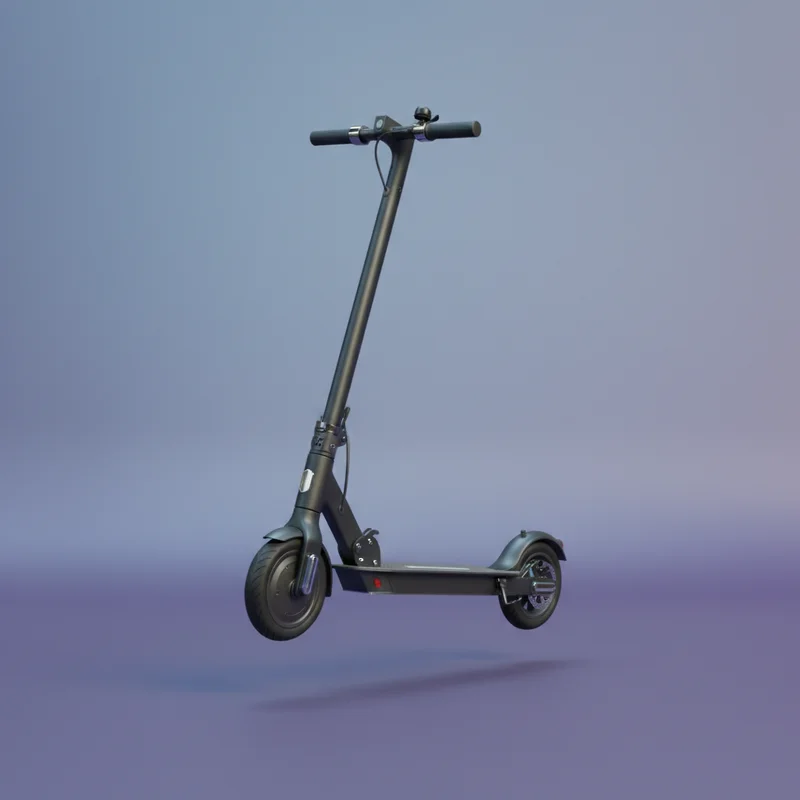

Electric Scooter
Modern electric scooters achieve maximum speeds ranging from 15 to 25 miles per hour, depending on motor specifications, local regulations, and remaining battery charge. Premium models such as the Segway Ninebot Max advertise top speeds of 18.6 mph under optimal conditions.
Real-world velocity proves considerably more variable. Speed governors mandated by municipal regulations limit most rental scooters to 15 mph, while terrain inclines, headwinds, and rider weight further reduce effective velocity. A 2021 Portland Bureau of Transportation study documented average rental scooter speeds of merely 7.2 mph across all trips.
Acceleration metrics demonstrate similar constraints. Electric scooters require 8-15 seconds to reach maximum speed, with regenerative braking systems extending deceleration times beyond those of comparable human-powered alternatives.
Procrastination
Procrastination operates at velocities that electric propulsion cannot approach. The phenomenon activates within 200-400 milliseconds of task recognition, preceding conscious awareness by a margin that neuroscientists describe as functionally instantaneous. No boot sequence is required; no battery charge must be verified.
The speed at which procrastination prevents forward progress exceeds any velocity at which an electric scooter might provide it. A person can transition from productive intent to full procrastination engagement in under three seconds, whereas locating, unlocking, and mounting an electric scooter requires 45-120 seconds minimum.
Perhaps most significantly, procrastination achieves its objectives without requiring movement whatsoever. While electric scooters must physically transport users toward destinations, procrastination ensures destinations are never reached by preventing departure entirely. In terms of efficiency, remaining stationary requires considerably less energy than traveling at 18.6 miles per hour.
VERDICT
Speed comparison reveals a fundamental conceptual asymmetry. Electric scooters optimize for velocity of movement; procrastination optimizes for velocity of non-movement. The scooter might travel faster, but procrastination activates faster, operates continuously, and achieves its objectives without requiring physical displacement.
When measuring effectiveness rather than raw velocity, procrastination demonstrates superior performance. An electric scooter at maximum speed covers approximately 0.31 miles per minute. Procrastination prevents approximately infinite miles from being traveled by ensuring journeys never commence. In the mathematics of comparative effectiveness, infinite prevention exceeds finite provision.