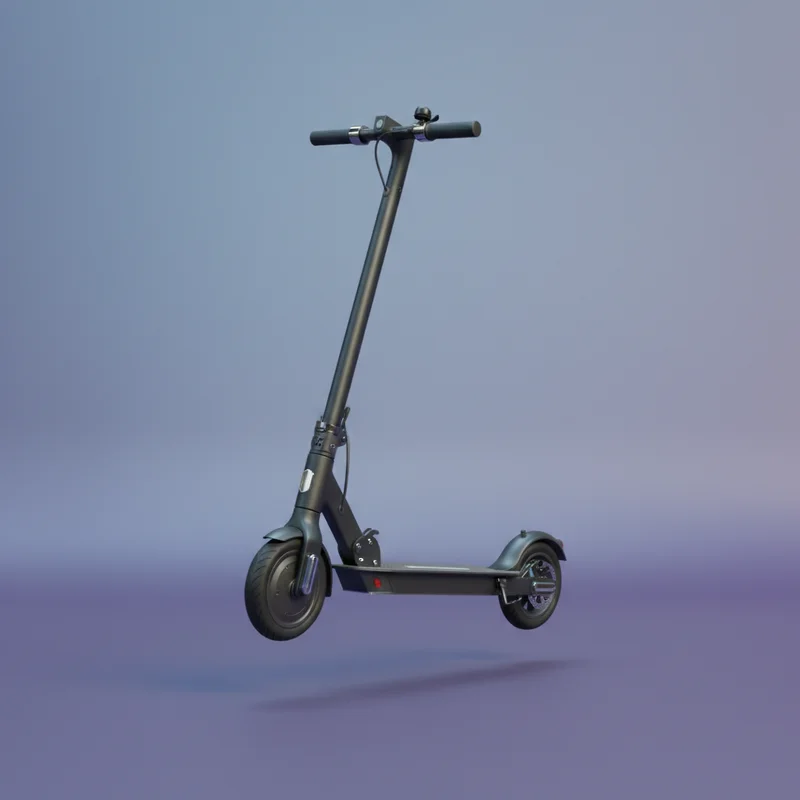
Electric Scooter
The electric scooter achieves a respectable 25-35 kilometres per hour in optimal conditions, which is to say, on a flat surface, with a fully charged battery, and with a rider who hasn't exceeded the weight limit by ordering one too many flat whites. Most municipalities have sensibly capped their speeds at 25 km/h, recognising that the combination of tiny wheels, unpredictable pavements, and human overconfidence creates what engineers politely term suboptimal outcomes. The acceleration is instant, powered by brushless motors that transform stored electrical energy into forward motion with admirable efficiency. However, range anxiety looms: most scooters manage 30-50 kilometres before requiring a charge, leaving riders stranded outside their destination like particularly forlorn delivery packages.
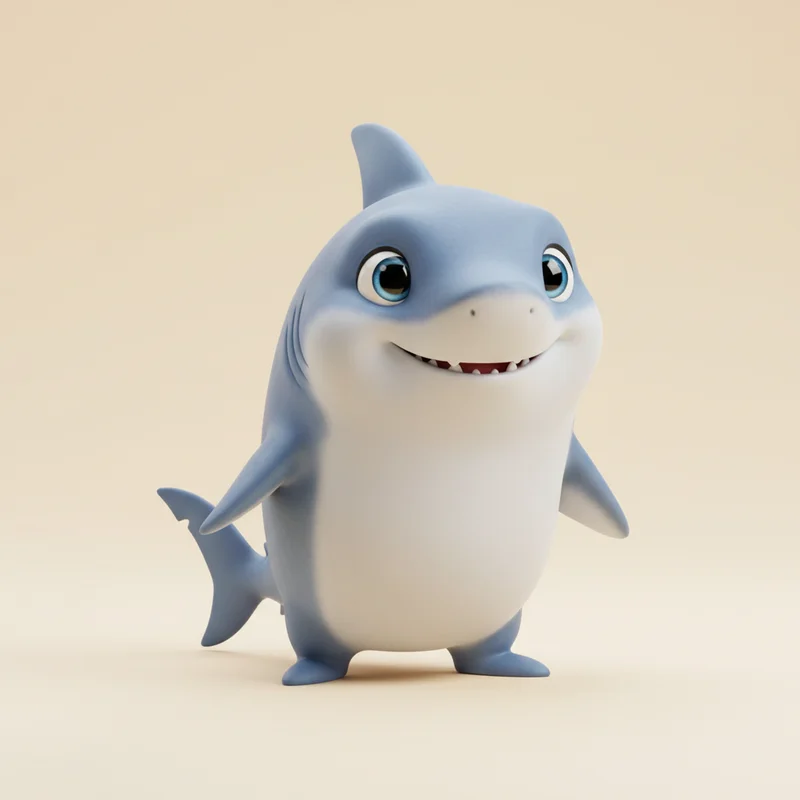
Shark
The shortfin mako shark, that torpedo of the deep, reaches speeds exceeding 70 kilometres per hour, making it the fastest shark and one of the quickest fish in the ocean. This velocity is achieved without batteries, charging stations, or smartphone apps. The great white shark, whilst slightly slower at approximately 40 km/h, compensates with ambush tactics that would make any military strategist weep with admiration. These speeds are sustained across distances that would drain any scooter battery thrice over. The shark's propulsion system, refined across millennia of evolutionary pressure, converts muscle contractions into thrust with an efficiency that electric motors can only dream of achieving. No range anxiety here, merely the eternal hunt.