
Topic Battle

Where Everything Fights Everything

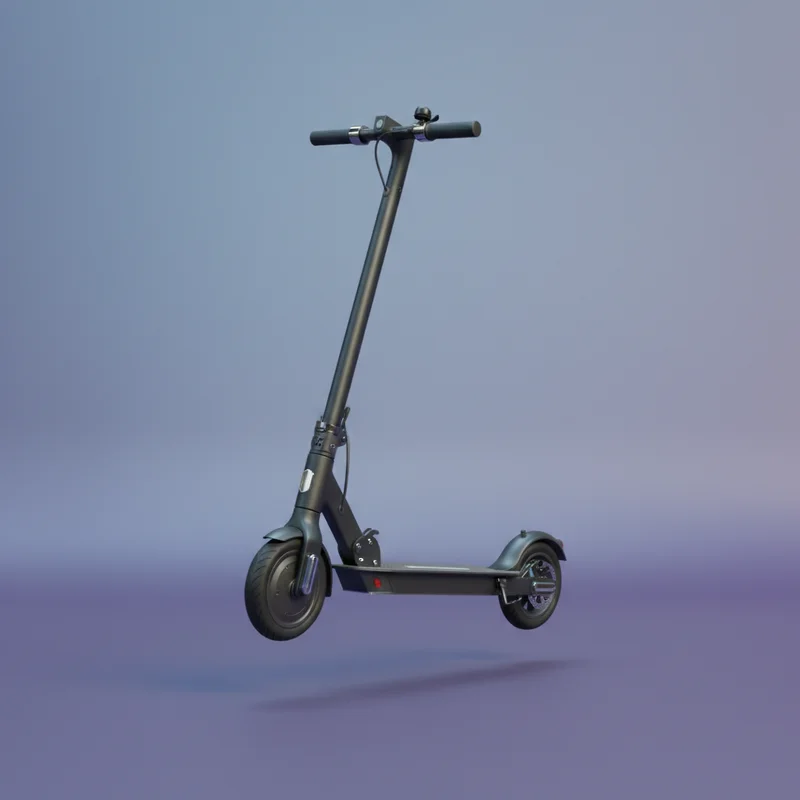
Electric Scooter

Electric Scooter

A vehicle that makes you question both transportation and dignity simultaneously. Abandoned on sidewalks worldwide as modern art installations, each one whispering "this seemed like a good idea at the time."

VS
Tea

Tea

A traditional beverage made from steeping processed leaves of the Camellia sinensis plant in hot water. Enjoyed by billions worldwide.

The Matchup

In the annals of human civilization, few pairings illuminate the fundamental tension between mechanical propulsion and botanical infusion quite like the electric scooter and tea. These two entities, separated by millennia in origin yet united in their ubiquity across modern urban landscapes, represent divergent philosophies of human progress.

The electric scooter emerged from Silicon Valley's relentless pursuit of micro-mobility solutions, a lithium-powered answer to the eternal question of how to traverse distances too short for automobiles yet too long for comfortable walking. It promises speed, convenience, and the faint satisfaction of passing pedestrians while standing completely upright.

Tea, Camellia sinensis, requires no such technological pedigree. This evergreen shrub has commanded human attention for approximately 5,000 years, having originated in the Yunnan province of China before achieving global dominance through trade routes, colonial expansion, and an inexplicable British obsession. Both now compete for morning rituals, disposable income, and the attention of urban professionals seeking marginal improvements to their daily existence.

Battle Analysis

Speed Electric Scooter Wins
70%
30%
Electric Scooter Tea

Electric Scooter

The electric scooter achieves a maximum velocity of 15-25 mph depending on model specifications and local regulatory constraints. Premium models from manufacturers such as Segway, Xiaomi, and Unagi push toward the upper threshold, while municipal rental fleets typically impose software-limited speeds of 15 mph for liability purposes.

Acceleration from standstill to cruising speed occurs within 4-8 seconds on level terrain, enabling the average user to cover one mile in approximately three to four minutes. This performance represents a 400% improvement over typical walking pace, a fact that scooter enthusiasts cite with considerable frequency.

The device's speed remains contingent upon battery charge, rider weight, terrain gradient, and the structural integrity of whatever surface the municipality has designated as acceptable for micro-mobility transit.

Tea

Tea demonstrates a velocity of precisely zero miles per hour under standard atmospheric conditions. The beverage, once prepared, exhibits no autonomous locomotive capacity whatsoever. It remains stationary within its vessel until acted upon by external forces, typically a human hand.

The preparation process itself requires 3-7 minutes depending on variety and brewing methodology. Black teas steep at approximately 200-212 degrees Fahrenheit for 3-5 minutes, while green teas demand lower temperatures and shorter durations. This preparation time represents the closest approximation to operational speed that tea can claim.

It should be noted that tea has never successfully transported any human being anywhere, a limitation that has persisted throughout its entire 5,000-year documented history despite numerous opportunities for evolutionary improvement.

VERDICT

The velocity differential between these contenders is not merely significant but categorically absolute. The electric scooter possesses the capacity for physical movement across geographic space. Tea does not. This represents a fundamental asymmetry that no amount of premium leaf selection or optimal steeping technique can remediate.

From a pure transportation perspective, the electric scooter delivers measurable displacement at rates exceeding 20 feet per second. Tea, regardless of provenance, price point, or ceremonial significance, delivers precisely zero displacement under any circumstances. The scooter claims this category through the simple virtue of possessing wheels and a motor.

Durability Tea Wins
30%
70%
Electric Scooter Tea

Electric Scooter

Commercial fleet data indicates an operational lifespan of 3-4 months for shared rental scooters subjected to typical urban abuse patterns. Private ownership extends functional longevity to 2-4 years with appropriate maintenance protocols, though lithium-ion battery degradation begins noticeably after 500-800 charge cycles.

Common failure modes include motor burnout, brake pad deterioration, deck structural fatigue, and the mysterious ailments that afflict all electronic devices exposed to moisture, vibration, and the creative interpretations of proper use exhibited by the general public.

The electric scooter does not repair itself. When damaged, it requires either professional intervention, spare parts sourced from increasingly questionable supply chains, or unceremonious disposal in landfills that future archaeologists will find deeply confusing.

Tea

A single serving of tea maintains optimal consumability for 15-30 minutes following preparation, after which thermal degradation renders it merely acceptable, then unpleasant, then a breeding ground for microbial activity that health authorities universally discourage.

Dry tea leaves, however, demonstrate remarkable archival properties. Properly stored loose-leaf tea remains viable for 1-3 years, with certain pu-erh varieties improving over decades through controlled fermentation processes that collectors discuss with the reverence typically reserved for fine wines or mortgage-free property ownership.

The tea plant itself, Camellia sinensis, achieves lifespans exceeding 100 years under favorable conditions. Ancient tea trees in Yunnan province have been producing leaves for centuries, a longevity record that no electric scooter manufacturer has yet approached in even their most optimistic investor presentations.

VERDICT

When evaluating durability across appropriate timescales, tea demonstrates structural advantages that manufactured transportation devices cannot replicate. The tea plant regenerates its harvestable components seasonally, requiring no factory intervention or software updates.

A single tea bush will outlive dozens of electric scooter generations, continuing to produce viable product while scooters cycle through planned obsolescence schedules. The biological model proves inherently superior for long-term durability assessment, as evolution has optimized Camellia sinensis for survival rather than quarterly earnings reports. Tea claims this category through agricultural persistence.

Portability Tea Wins
30%
70%
Electric Scooter Tea

Electric Scooter

Electric scooters incorporate folding mechanisms enabling transformation from operational configuration to semi-portable package within 3-5 seconds. Folded dimensions typically measure 40-45 inches in length, 15-20 inches in height, and 6-8 inches in width, permitting storage in automobile trunks, office corners, and urban apartments of sufficient square footage.

Weight represents the primary portability constraint, with most models ranging from 25-40 pounds. This mass proves manageable for carrying up single flights of stairs but becomes burdensome across longer distances or multiple floors, somewhat undermining the device's fundamental transportation purpose.

Airlines, trains, and other transit systems maintain inconsistent policies regarding electric scooter acceptance, with lithium battery regulations creating particular complications for air travel.

Tea

Tea achieves exceptional portability metrics across all relevant dimensions. Dry tea leaves weigh approximately 2-3 grams per serving, enabling transport of hundreds of servings in packages small enough to occupy jacket pockets.

Pre-packaged tea bags further optimize portability, with individual servings measuring roughly 2x2 inches and weighing under 3 grams inclusive of packaging. A month's supply of daily tea consumption fits comfortably in spaces that would accommodate a single electric scooter battery.

Tea faces zero regulatory restrictions across transportation modes. It passes through airport security without incident, occupies minimal luggage space, and has never been banned from any train, bus, or ferry system on any continent. This regulatory acceptance reflects tea's millennia-long track record of not spontaneously combusting.

VERDICT

The portability comparison yields a decisive verdict favoring tea through simple physics. Tea achieves equivalent or superior utility-per-gram ratios while weighing approximately 1/10,000th as much as a typical electric scooter. This mass differential translates directly to superior transportability across all contexts.

Furthermore, tea's universal regulatory acceptance enables seamless global mobility that electric scooters cannot match. One may carry tea from London to Tokyo to Buenos Aires without once consulting battery transportation regulations or explaining folding mechanisms to skeptical transit officials. Tea dominates portability through fundamental material properties that no engineering optimization can overcome.

Affordability Tea Wins
30%
70%
Electric Scooter Tea

Electric Scooter

Consumer acquisition costs for electric scooters range from $300 for entry-level models to $1,500 or more for premium specifications featuring extended range, superior suspension, and brand cachet. The sweet spot for quality-conscious consumers falls between $500-800, representing the minimum investment for components that will not catastrophically fail during routine operation.

Ongoing costs include electricity for charging (approximately $20-50 annually), replacement tires, brake maintenance, and the eventual battery replacement that manufacturers prefer not to discuss until warranties have safely expired. Total cost of ownership over three years typically exceeds $700-1,200 depending on usage patterns and mechanical misfortune.

Rental alternatives charge $1 to unlock plus $0.15-0.39 per minute, translating to $4-15 per trip depending on distance and the user's ability to locate a functional unit among the urban scooter graveyard.

Tea

Tea operates across an extraordinarily broad price spectrum. Standard supermarket tea bags retail for approximately $0.05-0.15 per serving, placing daily consumption within reach of virtually any budget. Mid-range loose-leaf varieties command $0.25-1.00 per cup, while premium single-origin teas can exceed $5-10 per serving without approaching the ceiling of what collectors will pay for exceptional specimens.

The most expensive teas on record, including Da Hong Pao from original mother trees, have sold for over $1,400 per gram, though such purchases represent collecting behavior rather than practical consumption habits.

For the average consumer brewing 2-3 cups daily with quality loose-leaf tea, annual expenditure falls between $200-600, a figure that includes equipment amortization for kettle, teapot, and any ceremonial implements deemed essential to the experience.

VERDICT

The economic comparison reveals tea's superior accessibility across virtually all budget categories. At the entry level, tea costs less per serving than the electricity required to charge a scooter for equivalent utility. At premium tiers, both categories offer opportunities for excessive expenditure, though tea at least provides sensory enjoyment rather than transportation anxiety.

More significantly, tea delivers immediate consumable value with each purchase, while electric scooter acquisition represents a depreciating asset that begins losing value the moment it leaves the warehouse. Tea wins on affordability through lower barriers to entry and superior value-to-enjoyment ratios across all market segments.

Sustainability Tea Wins
30%
70%
Electric Scooter Tea

Electric Scooter

Electric scooter manufacturing requires lithium-ion batteries containing cobalt, lithium, and other materials extracted through mining operations of variable environmental responsibility. Aluminum frame production demands significant energy inputs, while electronic components traverse global supply chains of considerable complexity and opacity.

Operational emissions register as zero at point of use, a fact that marketing materials emphasize while lifecycle analyses reveal embodied carbon costs that complicate the environmental calculus. Battery disposal remains problematic, with recycling infrastructure lagging far behind production volumes.

Recent studies estimate lifecycle emissions of 125-200 grams CO2 per kilometer when accounting for manufacturing, maintenance, and the collection vehicles required to redistribute and charge shared fleet units. This figure improves substantially for privately owned scooters with longer operational lifespans.

Tea

Tea cultivation operates on a fundamentally biological model, utilizing solar energy captured through photosynthesis to produce harvestable leaves. The tea plant sequesters carbon during growth, with established tea gardens functioning as modest but measurable carbon sinks.

Environmental concerns concentrate around agricultural practices including pesticide application, water usage, and land use changes associated with plantation expansion. Organic and shade-grown certifications address some concerns while adding complexity to consumer decision-making.

Transportation represents tea's primary carbon footprint, with leaves traveling significant distances from production regions in Asia and Africa to consumption markets worldwide. Nevertheless, the lightweight, shelf-stable nature of dried tea enables efficient bulk shipping that minimizes per-serving transport emissions to negligible levels.

VERDICT

Sustainability assessment favors the biological production model over manufactured alternatives by a substantial margin. Tea requires no lithium mining, no rare earth extraction, and no electronic waste disposal infrastructure. The plant regenerates harvestable material annually without factory intervention.

While neither contender achieves environmental perfection, tea's fundamental reliance on photosynthesis rather than extractive industry positions it favorably for long-term sustainability evaluation. The tea bush will continue producing leaves using solar energy long after current electric scooter designs have been superseded by whatever mobility technology venture capital next identifies as world-changing.

👑

The Winner Is

Tea

25 - 75

This analysis concludes with a decisive 75-25 victory for tea across the evaluated metrics. The electric scooter claimed only the speed category, a victory that, while absolute within its domain, cannot compensate for defeats across durability, affordability, sustainability, and portability.

The electric scooter represents humanity's ongoing effort to optimize physical displacement through technological intervention. Tea represents 5,000 years of cultural refinement applied to the simple act of steeping leaves in hot water. Both have found their audiences, their advocates, and their moments of cultural significance.

Yet when evaluated without bias toward novelty or locomotion, tea emerges as the more practical, sustainable, and economically accessible option for daily life enhancement. The scooter moves bodies through space; tea moves something rather more difficult to quantify through minds and mornings worldwide.

Electric Scooter
25%
Tea
75%

Share this battle

More Comparisons