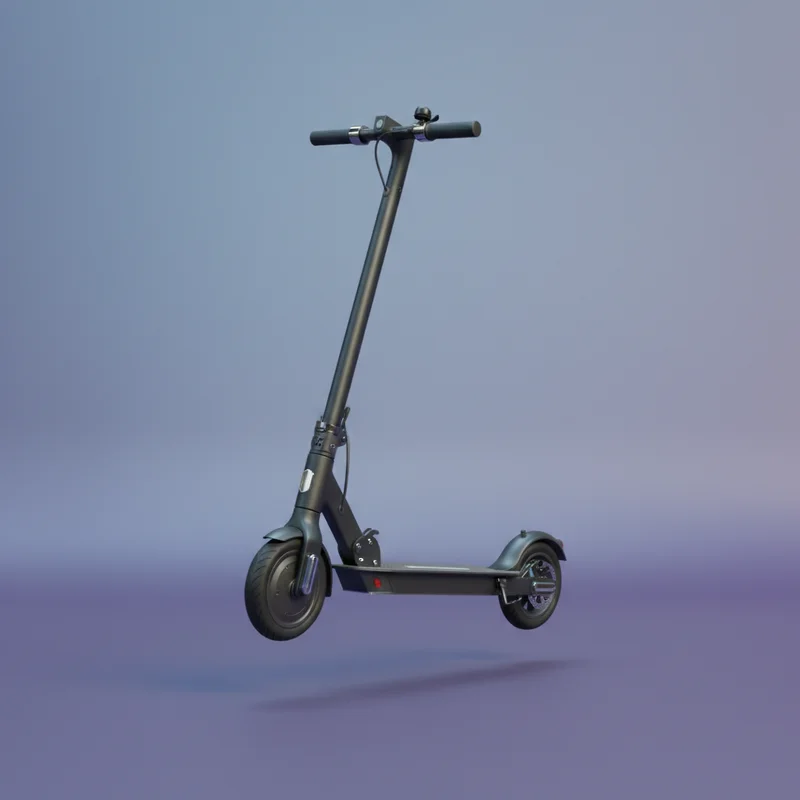

Electric Scooter
The electric scooter's reliability profile reflects its mechanical simplicity. With fewer than fifty moving parts in a typical model, opportunities for failure are correspondingly limited. The motor, sealed within the wheel hub, rarely encounters substances capable of causing harm. The battery either charges or it does not. The brakes are either present or absent. This binary simplicity appeals to those who view vehicles as tools rather than relationships.
However, build quality varies dramatically across the market. Budget models from obscure manufacturers may offer reliability measured in months rather than years. Premium brands approach automobile-level durability. The lack of weather protection means that rain, while not immediately fatal, accelerates wear.
Tesla
The Tesla occupies an unusual position in reliability discussions. On one hand, the electric drivetrain has proven remarkably robust, with motors frequently exceeding 500,000 kilometres without significant intervention. The absence of an internal combustion engine eliminates entire categories of failure. On the other hand, build quality concerns have dogged the marque since inception. Panel gaps have their own enthusiast following.
The reliance on software introduces novel failure modes. Over-the-air updates can introduce bugs alongside features. Door handles have been known to freeze in position. The infotainment system, controlling nearly every vehicle function, becomes a single point of failure for the entire driving experience.