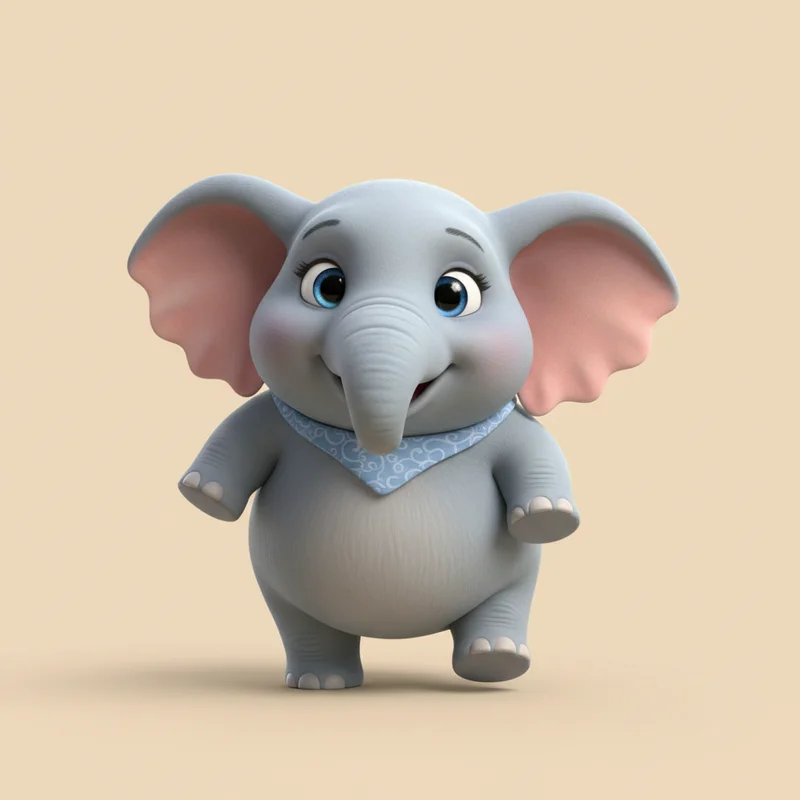
Elephant
The elephant demonstrates a lifespan of 60-70 years for African species and 48 years average for Asian elephants. This operational period exceeds iPhone functional life by a factor of ten to fifteen, with continuous self-repair and adaptation throughout.
The elephant's skeletal structure supports loads exceeding 6,000 kg, with skin thickness reaching 2.5 cm providing natural armor against environmental hazards. The organism survives conditions from tropical heat to high altitude cold, repairs injuries without external intervention, and requires no warranty extensions or insurance policies.
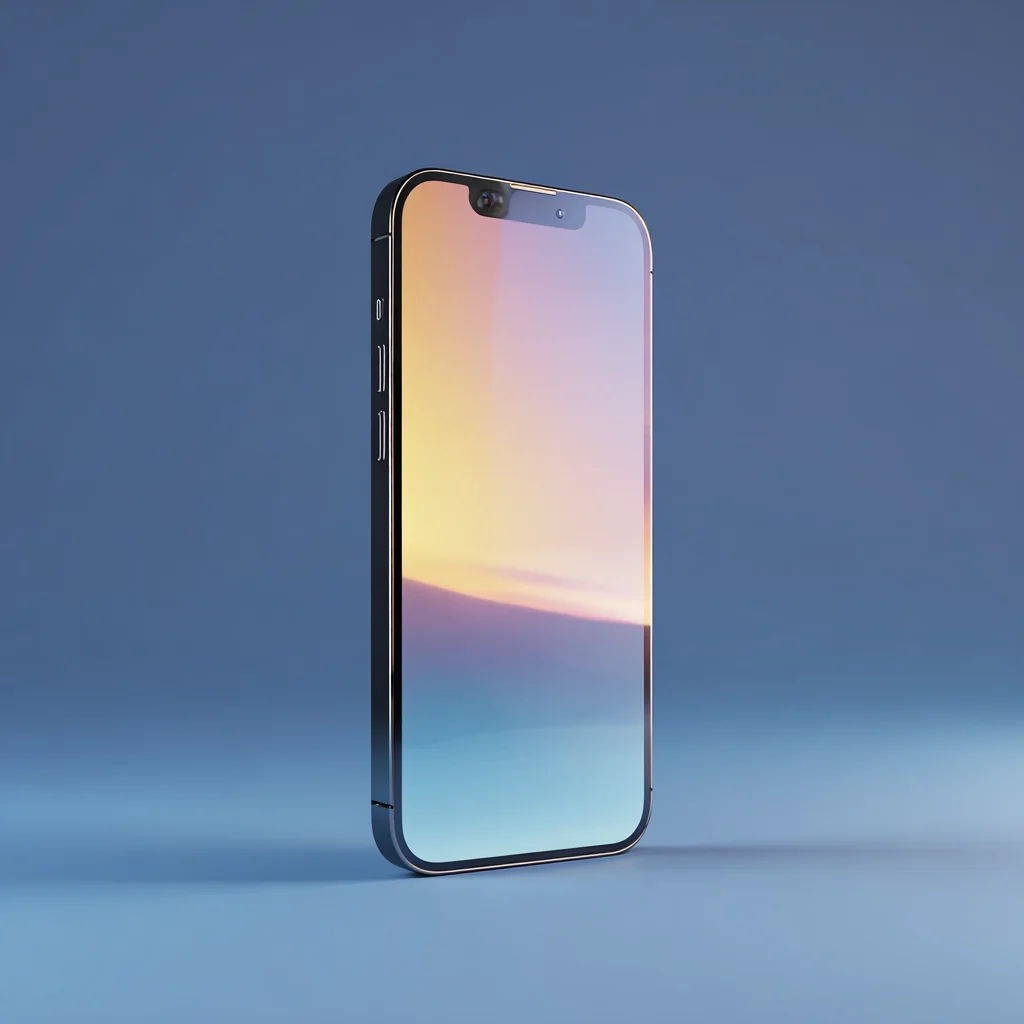
iPhone
The iPhone achieves functional lifespan of 4-6 years under careful maintenance, with software support extending to 5-6 years. Physical durability includes improved glass and titanium construction, yet remains vulnerable to impacts, water, and thermal extremes that an elephant would not notice.
Battery degradation follows predictable decline curves, reaching 80% capacity after 500 cycles. Repair costs for major components frequently approach replacement value. The device cannot survive conditions routinely encountered by elephants, including dust, water immersion, and impact forces.
VERDICT
Durability comparison reveals overwhelming biological superiority. The elephant outlasts the iPhone by over a decade while operating under conditions that would instantly destroy any consumer electronics device.
The elephant's self-repair capabilities, environmental tolerance, and structural integrity represent engineering achievements no human manufacturing can approach. The iPhone's durability, while improved through successive generations, cannot match specifications achieved through 6 million years of evolutionary optimization. The elephant demonstrates decisive durability advantage.