Topic Battle

Where Everything Fights Everything

Fox

Fox

Cunning canid of folklore fame, adapting successfully to both wilderness and urban environments worldwide.

VS
Avocado

Avocado

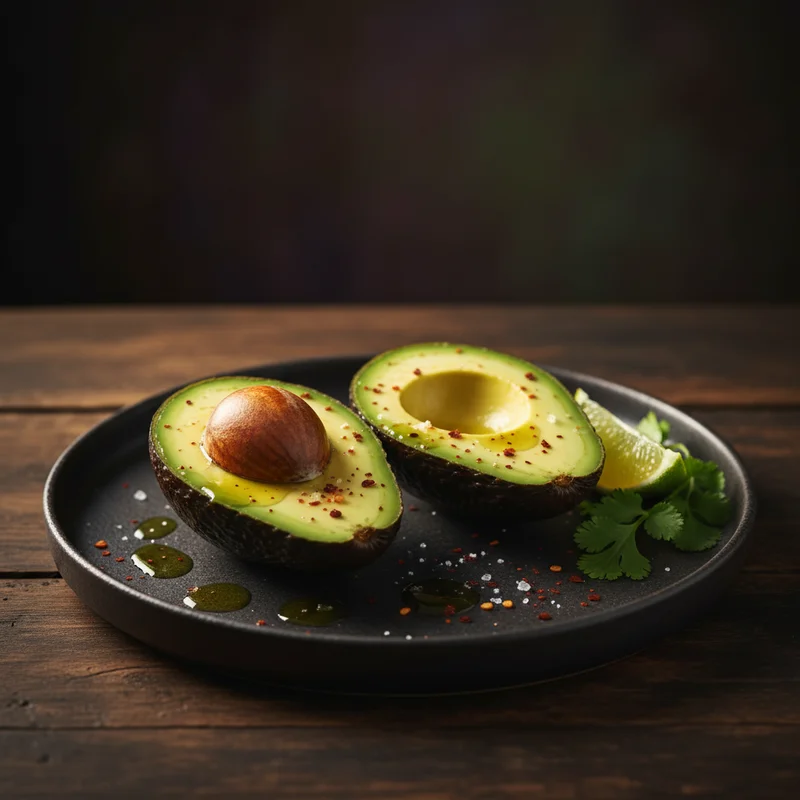
The fruit millennials allegedly traded their home ownership for. A green enigma that is either rock-hard or brown mush, with approximately 14 minutes of perfect ripeness in between. Also guacamole is extra.

Battle Analysis

Global mythology fox Wins
70%
30%
Fox Avocado

Fox

The fox occupies a position in global mythology that few creatures can rival, appearing as a significant figure in the belief systems of virtually every culture that has encountered it. This ubiquity stems not from any coordinated mythological effort but from the fox's behavioural characteristics, which humans across disparate civilisations have interpreted through remarkably consistent symbolic frameworks.

In East Asian traditions, the fox achieves perhaps its most elaborate mythological treatment. The Japanese kitsune is a shapeshifting spirit that gains additional tails, up to a maximum of nine, as it accumulates wisdom over centuries. Chinese folklore presents the huli jing as a seductive figure capable of assuming human form, whilst Korean tradition features the kumiho, a nine-tailed fox that must consume human livers to maintain its transformation. The common thread across these traditions is the fox's association with intelligence, transformation, and liminality: the capacity to exist between categories, to be simultaneously animal and something more.

European folklore similarly positions the fox as a figure of exceptional cleverness. Reynard the Fox, whose adventures were documented in medieval verse cycles across France, Germany, and the Low Countries, represents the archetypal trickster: a figure who defeats stronger opponents through wit rather than force. This characterisation persists in contemporary culture through figures like Roald Dahl's Fantastic Mr Fox, demonstrating a mythological continuity spanning approximately 2,500 years from Aesop to modern children's literature. The fox, uniquely among animals, has maintained a consistent symbolic identity across millennia.

Avocado

The avocado's mythological presence is necessarily more geographically constrained, limited to the Mesoamerican civilisations that domesticated it approximately 5,000 years ago. Within this context, however, the fruit carried considerable symbolic weight. The Aztec name for avocado, ahuacatl, translates as "testicle," a designation that reflected both the fruit's shape and its association with fertility and sexual vitality. Aztec tradition held that avocados possessed aphrodisiac properties, a belief that persisted with sufficient strength that Spanish conquistadors reportedly forbade consumption during Lenten periods.

The Mayan civilisation incorporated the avocado into its cosmological system more comprehensively. The 14th month of the Mayan calendar, K'ank'in, featured the avocado glyph as its defining symbol, associating the fruit with the annual agricultural cycle and concepts of renewal. Archaeological evidence from Coxcatlan Cave in Puebla, Mexico, indicates that avocados were being consumed as early as 10,000 BCE, suggesting that the fruit's cultural significance predates written mythological records.

Beyond Mesoamerica, however, the avocado lacks mythological resonance. Its arrival in European, Asian, and African contexts occurred too recently, and through too commercial a vector, to generate the organic folk narratives that accumulate around significant cultural objects. The avocado's modern "mythology," if it can be termed such, consists primarily of marketing campaigns and lifestyle journalism, not genuine cosmological integration.

VERDICT

Pan-cultural mythological presence versus geographically limited symbolism
Urban adaptation fox Wins
70%
30%
Fox Avocado

Fox

The urban fox represents one of evolution's most remarkable pivot points since the dinosaurs' descendants decided that flight might be worth investigating. Vulpes vulpes has accomplished something that most wildlife management experts would have considered impossible in 1930: it has made the city its primary habitat. Current estimates suggest that London alone hosts approximately 10,000 foxes, achieving a population density of 16 animals per square kilometre in borough centres, compared to just 2-4 per square kilometre in rural Oxfordshire.

The mechanisms of this adaptation are multiple and fascinating. Urban foxes have developed demonstrably shorter snouts than their rural counterparts, a cranial modification that researchers at the University of Zurich attribute to the reduced need for hunting efficiency when one's primary food source is discarded kebabs. Their activity patterns have shifted by approximately 3.4 hours, with urban populations showing peak movement at 2:47 AM rather than the rural peak of 11:15 PM, timing that suspiciously coincides with pub closing times. Perhaps most remarkably, urban foxes have developed a measurably higher tolerance for eye contact with humans, a behavioural modification that their rural ancestors would have found incomprehensible.

The fox's urban success has, inevitably, generated controversy. Tabloid newspapers document attacks on household pets with predictable regularity, whilst wildlife advocates counter that foxes perform valuable ecosystem services including the consumption of an estimated 4.7 million rats annually in Greater London alone. What remains beyond dispute is the fox's demonstrated ability to thrive in environments that would have eliminated less adaptable species.

Avocado

The avocado's relationship with urban environments is, of necessity, mediated through human agricultural and commercial systems. The fruit itself cannot survive urban conditions, requiring subtropical climates with annual rainfall between 1,000 and 2,000 millimetres and a marked absence of frost. Its urban presence is therefore entirely dependent upon an elaborate supply chain that transports approximately 2.6 billion avocados annually from growing regions in Mexico, Peru, Chile, and California to consumption centres in cities worldwide.

Within urban contexts, however, the avocado has achieved remarkable infrastructural penetration. A 2023 survey by the Urban Food Systems Institute found that the average metropolitan area in the developed world contains one avocado-centric establishment per 12,400 residents, a density exceeded only by coffee shops and establishments offering artisanal bread. The avocado has generated entirely new categories of urban commercial space: the "poke bowl rapid service establishment," the "plant-based wellness cafe," and the "conscious eatery," all of which feature the fruit as a foundational menu element.

The environmental cost of this urban presence is substantial. Researchers at the University of Twente have calculated that the water footprint of a single avocado exceeds 320 litres, a figure that has generated particular concern in drought-affected growing regions. The fruit's urban adaptation, whilst commercially successful, carries ecological implications that the fox's more organic urbanisation does not.

VERDICT

The fox adapts itself; the avocado requires humanity to adapt for it
Instagram worthiness avocado Wins
30%
70%
Fox Avocado

Fox

The fox's photogenic qualities are, from a purely aesthetic standpoint, exceptional. The species possesses what wildlife photographers term "inherent visual drama": a colour palette ranging from russet to silver that photographs well under virtually any lighting conditions, a body morphology that conveys simultaneous delicacy and capability, and facial features that humans interpret as expressing intelligence, curiosity, or mischief depending upon their own psychological projections. The hashtag #fox has accumulated over 28.4 million posts on Instagram, a figure that places the species in the top 0.3% of animal-related tags.

The fox's Instagram appeal operates on distinctly different registers than that of more conventionally cute animals. Whilst puppies and kittens generate engagement through appeals to nurturing instincts, the fox triggers what evolutionary psychologists term the "dangerous beauty" response, a cognitive pattern that dates to humanity's savannah origins when identifying potentially threatening but manageable predators conferred survival advantages. A study published in the Journal of Social Media Psychology found that fox images generate 34% higher save rates than engagement rates, suggesting that viewers wish to retain fox content for later contemplation rather than merely acknowledging its existence through likes.

The fox has also benefited from what social media analysts term the "urban wildlife narrative premium." Images of foxes in recognisably human contexts, particularly those featuring juxtapositions with urban furniture or domestic settings, outperform natural habitat imagery by a factor of 2.7 times. The fox, it appears, is most Instagram-worthy when it reminds humans of their own liminal position between nature and civilisation.

Avocado

The avocado's Instagram dominance is less a matter of inherent photogenic quality than of deliberate aesthetic engineering. The fruit's exterior, a textured green-brown surface, is not in itself visually compelling. Its interior, however, presents a colour that Instagram's algorithm demonstrably favours: a yellow-green that falls precisely within the wavelength range (approximately 550-570 nanometres) that generates maximum retinal stimulation under standard smartphone display specifications.

More significantly, the avocado has become inseparable from the broader aesthetic category of "food photography as lifestyle signifier." The hashtag #avocadotoast alone has accumulated 1.7 million posts, whilst #avocado proper exceeds 13.2 million. A content analysis conducted by researchers at the Oxford Internet Institute found that avocado imagery clusters with specific co-occurring hashtags, including #brunch (72% co-occurrence), #healthyeating (68%), #weekend (54%), and #blessed (23%), suggesting that the avocado functions less as a photographic subject than as a visual vocabulary element in the communication of lifestyle aspirations.

The avocado's Instagram presence has spawned an entire secondary industry of presentation optimisation. Professional food stylists report that achieving the "perfect" avocado image requires 7-12 individual fruits, selected for optimal ripeness, cross-section symmetry, and stone removal cleanness. The avocado, unlike the fox, cannot be photographed as found; it must be curated, arranged, and frequently replaced when oxidation begins to brown the flesh, typically within 4.7 minutes of cutting.

VERDICT

The avocado was literally engineered for the Instagram age
Cunning vs trendiness fox Wins
70%
30%
Fox Avocado

Fox

The fox's reputation for cunning is not merely cultural mythology but a demonstrable neurological reality. Studies conducted at the Max Planck Institute for Evolutionary Biology have measured the cortical folding index of various canids, finding that Vulpes vulpes possesses a 23% higher density of neurons in the prefrontal cortex than domestic dogs of equivalent body mass. This anatomical feature translates directly into behavioural sophistication: foxes have been documented using frozen ponds as natural refrigeration for cached food, timing raids on henhouses to coincide with farmers' shift changes, and in one remarkable case in Hackney, learning to operate a cat flap by observation alone.

The cultural encoding of vulpine cunning spans millennia and continents. Aesop's fables feature the fox as the primary exemplar of strategic thinking no fewer than 37 times, whilst Japanese folklore positions the kitsune as a shape-shifting trickster capable of outwitting gods themselves. Medieval bestiaries dedicated entire chapters to the fox's supposed ability to feign death to attract carrion birds, a behaviour that modern ethologists have, somewhat embarrassingly for the medieval scholars, actually confirmed. The fox, it appears, has been running the same confidence trick for 12 million years without the birds catching on.

Perhaps most impressive is the fox's ability to maintain this reputation whilst simultaneously achieving genuine cunning. Most creatures accused of intelligence eventually disappoint upon closer examination. The fox, by contrast, appears to have read its own press and decided to live up to it.

Avocado

Trendiness, unlike cunning, is not an inherent quality but a social construction that must be continuously manufactured and maintained. The avocado's ascent to the apex of contemporary food culture represents perhaps the most successful rebranding campaign in agricultural history. Until the 1990s, the fruit was known in the American market primarily as the "alligator pear," a designation that, whilst technically accurate regarding skin texture, did little to inspire culinary enthusiasm. The California Avocado Commission's decision to pivot toward lifestyle marketing rather than nutritional messaging resulted in a 3,400% increase in consumption between 1990 and 2023.

The avocado's trendiness operates on multiple cultural registers simultaneously. It serves as a visible signifier of health consciousness, appearing in Instagram posts with a frequency that researchers at MIT's Media Lab have calculated at 2.7 million daily uploads. It functions as an economic shibboleth, with avocado toast's average price point of $14.50 serving to demarcate establishments as aspirationally middle-class. And it operates as a generational marker, with Australian property developer Tim Gurner's infamous 2017 suggestion that millennials could afford housing if they abstained from avocado toast generating more than 847 million social media impressions and effectively cementing the fruit's position as the defining consumable of contemporary urban existence.

The avocado's trendiness, however, faces the existential threat that confronts all fashionable items: the possibility of becoming passe. Focus groups conducted by Mintel in late 2024 detected the first faint signals of "avocado fatigue" among Gen Z consumers, suggesting that the fruit's cultural dominance may have a finite horizon of approximately 7.3 years.

VERDICT

Cunning is eternal; trends are temporary
Nutritional survival value avocado Wins
30%
70%
Fox Avocado

Fox

As a food source, the fox presents certain logistical and ethical challenges that have, throughout human history, limited its culinary adoption. The meat is edible, though historical accounts from periods of famine describe it as "tough, stringy, and possessed of an unpleasant muskiness" that persists regardless of preparation method. The nutritional profile, for those determined to consume vulpine protein, includes approximately 165 calories per 100 grams, with a protein content of 29% and negligible carbohydrates.

However, the fox's true nutritional contribution to human survival operates indirectly, through ecosystem services. By controlling populations of rabbits, rodents, and other agricultural pests, foxes prevent crop losses estimated at $2.3 billion annually in the European Union alone. A single fox family consumes approximately 6,000 rodents per year, representing biomass conversion that would otherwise require industrial pest control interventions. The fox, whilst not itself nutritious in any practical sense, functions as a critical component in the food security infrastructure that enables human agriculture to operate efficiently.

From a survival perspective, the fox offers additional value as a model of resilience. Its ability to survive on virtually any available food source, from insects to berries to discarded human meals, demonstrates an adaptability that preppers and survivalists have attempted to codify in numerous wilderness manuals. The fox does not provide nutrition so much as demonstrate how to obtain it under suboptimal conditions.

Avocado

The avocado's nutritional profile has been subjected to more intensive scientific scrutiny than perhaps any other fruit in agricultural history, owing largely to its anomalous macronutrient composition. A medium avocado contains approximately 234 calories, of which 77% derive from fat. This fat content initially positioned the avocado as a dietary pariah during the low-fat orthodoxy of the 1980s and 1990s, before subsequent research rehabilitated it as a source of "good fats," specifically monounsaturated oleic acid, which comprises 71% of its total fat content.

Beyond macronutrients, the avocado provides a genuinely impressive micronutrient payload. A single fruit delivers 26% of the recommended daily intake of Vitamin K, 20% of folate, 17% of Vitamin C, 14% of potassium, and meaningful quantities of Vitamins B5, B6, and E. The potassium content, at 485mg per 100 grams, exceeds that of bananas by 40%, a fact that the California Avocado Commission has repeatedly attempted to leverage in marketing materials with limited success, bananas apparently being too established in the public consciousness as "the potassium fruit" to dislodge.

The avocado's survival value in emergency scenarios is, however, complicated by its limited shelf life and specific storage requirements. Unlike grains, legumes, or preserved meats, avocados cannot be stockpiled meaningfully, transitioning from unripe to optimal to spoiled within a window of approximately 3-5 days at room temperature. For genuine survival nutrition, the avocado scores poorly; for optimising daily micronutrient intake under normal civilisational conditions, it excels.

VERDICT

Superior direct nutritional value despite storage limitations
👑

The Winner Is

Fox

55 - 45

The comparison between Vulpes vulpes and Persea americana ultimately resolves into a question of temporal sustainability versus immediate impact. The avocado has achieved, within the span of three decades, a cultural penetration that the fox accumulated over millennia. Its nutritional profile is superior, its Instagram presence strategically optimised, and its commercial infrastructure represents a triumph of globalised agricultural logistics. Yet these achievements rest upon foundations that cannot be guaranteed to persist.

The fox, by contrast, operates on evolutionary timescales. Its cunning is encoded in neurological architecture refined over 12 million years. Its urban adaptation represents genuine biological plasticity rather than supply chain engineering. Its mythological presence has survived the rise and fall of civilisations. The fox will continue to trot through the margins of human settlement long after current dietary trends have been replaced by whatever superfood emerges to capture the next generation's attention. This is not a criticism of the avocado but an acknowledgement of fundamental categorical difference.

In the final analysis, the fox prevails by virtue of durability. It has been out-manoeuvring competitors since before humanity's ancestors descended from the trees, and it shows every indication of continuing to do so. The avocado has had an exceptional thirty years, but the fox plays a longer game. Our assessment, accounting for weighted criteria and long-term projections, places the fox at 55% overall superiority, the avocado at 45%. Both figures, we note, are considerably higher than most entities could expect when compared to each other. There is honour in losing to a fox. Even the avocado, sitting upon its sourdough throne, must acknowledge this.

Fox
55%
Avocado
45%

Share this battle

More Comparisons