
Longevity
Harry Potter Wins
Harry Potter takes this round
Harry Potter
As a fictional character, Harry Potter achieves a form of immortality unavailable to biological entities. So long as books are read and films are watched, Potter persists in cultural memory. The narrative explicitly ends with Potter alive at age thirty-seven, though as intellectual property, his existence extends indefinitely. Warner Brothers' commercial interests ensure ongoing cultural relevance through sequels, prequels, and merchandise campaigns.
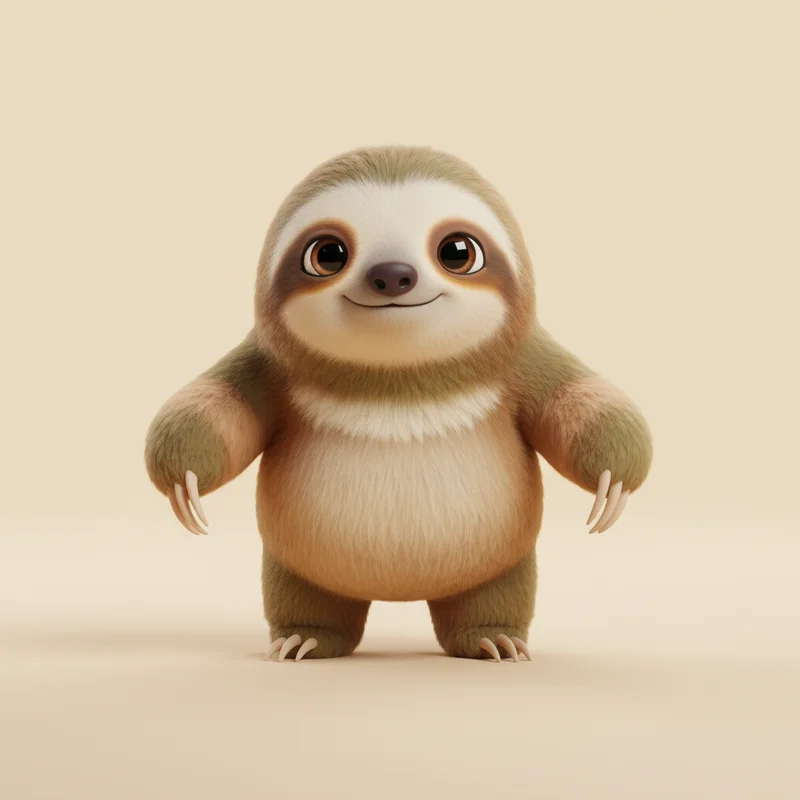
Sloth
Individual sloths typically survive twenty to thirty years in the wild, though the species itself has persisted for approximately sixty-four million years with remarkably little modification. This represents evolutionary staying power that suggests the sloth's design requires no improvement. The three-toed variety has outlasted countless species that adopted more aggressive survival strategies, proving that sometimes the race goes not to the swift.
VERDICT
Fictional immortality and corporate protection guarantee Potter's cultural persistence beyond any biological lifespan.