
Hedgehog
The hedgehog has achieved remarkable cultural penetration for an animal that most humans encounter as either a garden visitor or an unfortunate roadside statistic. Sonic the Hedgehog, SEGA's flagship character since 1991, has generated over $9 billion in revenue across video games, films, and merchandise, making the hedgehog one of the most commercially successful animals in entertainment history.
Beyond Sonic, hedgehogs feature in Mrs. Tiggy-Winkle (Beatrix Potter's washerwoman hedgehog), various medieval bestiaries (where they were incorrectly believed to collect fruit on their spines), and approximately 47% of garden ornament catalogues. The British public has voted them the nation's favourite mammal on multiple occasions, demonstrating an affection that transcends mere appreciation into something approaching national identity.
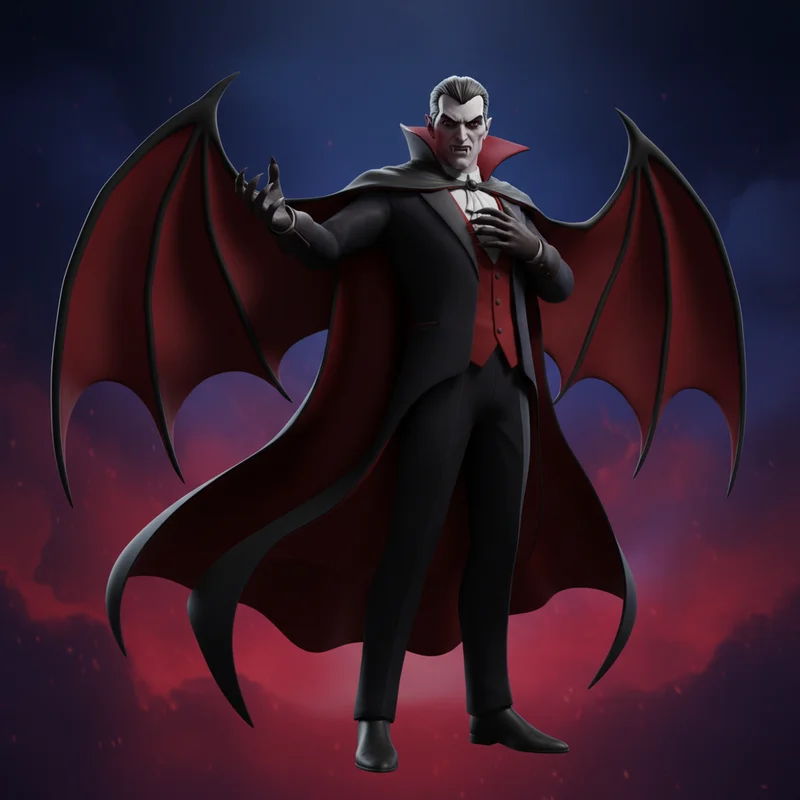
Dracula
Dracula's cultural footprint defies quantification. Since Bram Stoker's 1897 novel, the Count has appeared in over 200 films, making him cinema's most portrayed literary character. The Dracula archetype has spawned an entire genre of vampire fiction generating billions in annual revenue, influenced fashion, music (Gothic rock owes him considerable royalties), and tourism to Romania.
The character has transcended his origins to become a universal symbol of seduction, immortality, and aristocratic menace. Halloween would lose approximately 30% of its costume sales without vampire-related merchandise. The word 'Dracula' itself has achieved lexical immortality, understood across virtually all human languages and cultures, a penetration that no hedgehog, however speedy, has achieved.
VERDICT
Despite Sonic's considerable commercial success, Dracula's cultural omnipresence operates on a different scale entirely. The Count has shaped an entire genre, influenced fashion and music movements, and achieved recognition that transcends language barriers. The hedgehog remains beloved but culturally narrower in scope. Dracula didn't just enter culture; he colonised it.