Where Everything Fights Everything

IKEA Furniture vs Panda

😜 Just for fun — a tongue-in-cheek, gloriously unscientific showdown.

IKEA Furniture

IKEA Furniture

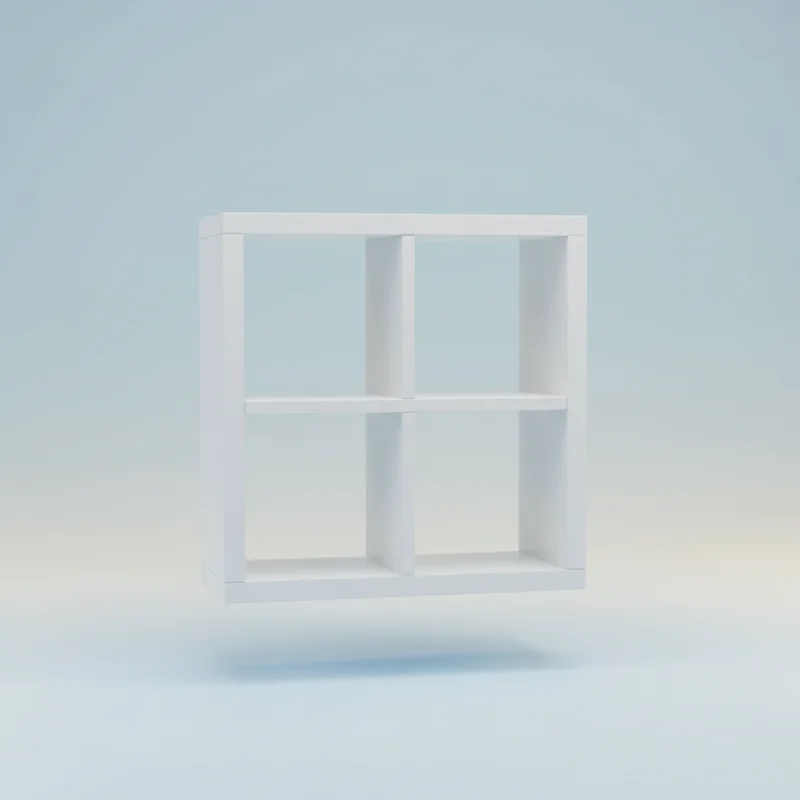
Swedish flat-pack relationship tests sold as affordable home goods. Comes with 47 pieces, one Allen key, and instructions that assume you have transcended the need for words. Marriages have ended over fewer screws.

VS
Panda

Panda

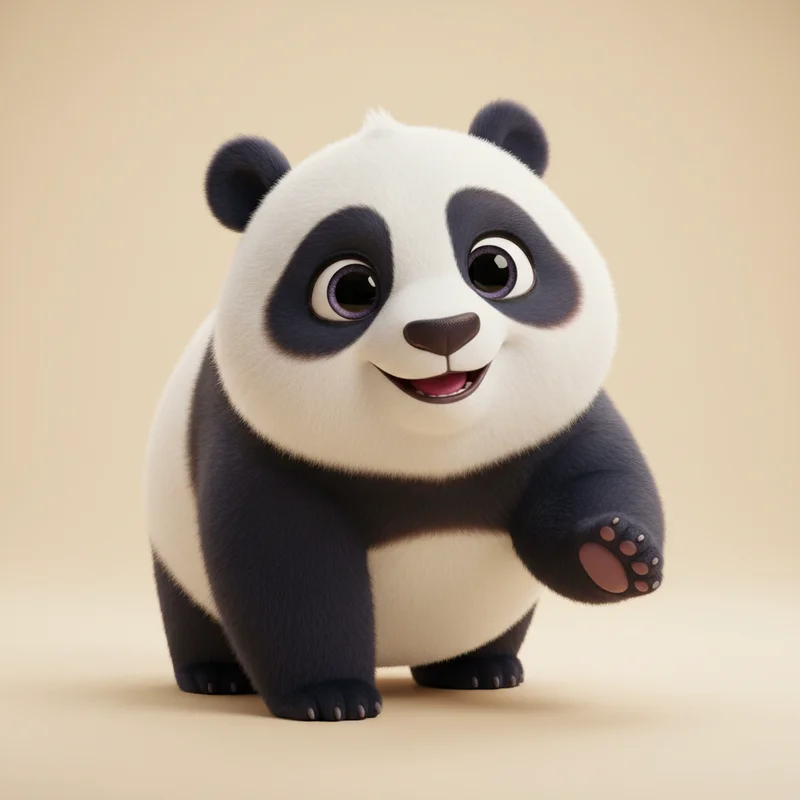
Beloved bamboo-eating bear from China, famous for black-and-white coloring and conservation symbolism.

Battle Analysis

Durability Panda Wins
🏆 Panda takes this round

IKEA Furniture

The question of IKEA furniture durability has sparked considerable academic debate. The flat-pack model relies heavily upon particleboard, a material created by compressing wood chips with adhesive into something resembling actual lumber. This engineered approach yields furniture capable of surviving approximately 2.3 household relocations before structural integrity becomes a matter of optimism rather than physics.

Yet one must acknowledge the extraordinary resilience of properly assembled IKEA pieces. The POANG chair, first designed in 1976, continues production essentially unchanged, its cantilever frame having supported countless bodies through decades of television viewing. When treated with respect and never, under any circumstances, disassembled for moving, IKEA furniture can endure remarkably well.

Panda

The giant panda represents something of a durability paradox. As a species, pandas have existed for approximately eight million years, weathering ice ages, continental drift, and the extinction of countless contemporaries. This suggests exceptional staying power on an evolutionary timescale.

As individuals, however, pandas appear determined to undermine this legacy. Their reproductive habits border on self-sabotagethe female is fertile for merely 24-48 hours annually, and males often display bewildering disinterest in the proceedings. Cubs are born weighing roughly 100 grams, approximately 1/900th of their mother's weight, and spend their first weeks as extraordinarily vulnerable pink creatures resembling large mice.

VERDICT

Eight million years of species survival trumps forty years of particleboard. Evolution, however inefficient, has proven the panda's fundamental durability.
Versatility IKEA Furniture Wins
🏆 IKEA Furniture takes this round

IKEA Furniture

IKEA's product range demonstrates breathtaking scope. From the humble FRAKTA bag to complete kitchen installations, the Swedish giant offers solutions for virtually every domestic requirement. A single warehouse visit can furnish an entire dwelling, clothe its occupants, feed them Swedish meatballs, and provide entertainment in the form of relationship-testing assembly sessions.

The modular philosophy extends this versatility further. KALLAX shelving units have been repurposed as DJ booths, room dividers, cat condominiums, and elaborate hamster habitats. The IKEA hacking community has transformed humble LACK tables into everything from arcade cabinets to hydroponic gardens. This adaptability represents human ingenuity at its finest.

Panda

The giant panda has committed what biologists term an evolutionary specialisation catastrophe. Despite possessing the digestive system of a carnivore, the panda has dedicated itself entirely to consuming bamboo, a food source offering minimal nutritional return. This dietary choice necessitates eating for up to fourteen hours daily whilst moving as little as possible.

Beyond eating, sleeping, and occasional reluctant reproduction, the panda's functional repertoire remains severely limited. They cannot be trained for useful tasks, refuse to entertain visitors on demand, and have shown no aptitude for employment of any kind. Their versatility extends only to consuming different species of bamboo, of which they deign to accept approximately twenty-five varieties.

VERDICT

IKEA serves thousands of purposes across human existence. The panda has mastered precisely one activity: eating bamboo with maximum inefficiency.
Cultural impact IKEA Furniture Wins
🏆 IKEA Furniture takes this round

IKEA Furniture

IKEA has fundamentally altered humanity's relationship with domestic space. The democratic design philosophy made stylish interiors accessible to millions previously excluded by cost, whilst the self-assembly model transformed furniture from delivered commodity to participatory achievement. Completing an IKEA build has become a modern rite of passage, testing patience, relationships, and spatial reasoning.

The cultural influence extends into language and media. Fight Club's famous monologue about IKEA catalogues captured millennial anxieties about consumerism. The term 'IKEA effect' now describes the psychological tendency to overvalue things we've built ourselvesa phenomenon studied by Harvard Business School. Swedish meatballs have become internationally synonymous with furniture shopping.

Panda

The panda occupies a unique position in diplomatic history. 'Panda diplomacy' has seen China loan these bears to foreign nations as symbols of goodwill since the Tang Dynasty, with modern examples including gifts to Nixon-era America and various European nations. A panda arrival constitutes a major diplomatic event, typically accompanied by extensive media coverage and political ceremony.

In China itself, the panda symbolises national heritage and conservation success. The species' recovery from fewer than 1,000 wild individuals to approximately 1,800 represents one of conservation's great triumphs. The panda has become synonymous with the possibility of reversing extinction, inspiring environmental movements globally.

VERDICT

IKEA has transformed how billions furnish their homes and altered psychological understanding of ownership. Pandas, whilst beloved, remain primarily symbolic.
Global recognition IKEA Furniture Wins
🏆 IKEA Furniture takes this round

IKEA Furniture

The IKEA brand has achieved a level of planetary saturation that would make colonial empires envious. With over 460 stores across more than 60 countries, the distinctive blue-and-yellow warehouses have become navigational landmarks in suburban landscapes worldwide. The company's catalogue, once distributed in 200 million copies annually, represented the most printed publication in human history after religious texts.

The names themselves have entered common parlance. KALLAX, MALM, LACKthese Swedish words now evoke immediate mental images in minds from Buenos Aires to Beijing. The brand has achieved the remarkable feat of making furniture assembly a shared cultural experience, uniting humanity in collective frustration and eventual triumph.

Panda

The giant panda possesses perhaps the most recognisable silhouette in the animal kingdom. Its distinctive black-and-white markings have been co-opted by conservation movements worldwide, most notably the World Wildlife Fund, whose logo has appeared on countless charity appeals since 1961. The panda's face adorns merchandise, diplomatic gifts, and approximately forty-seven percent of all items sold in airport gift shops.

However, this recognition comes with geographic limitations. Whilst everyone knows what a panda looks like, very few have encountered one. Fewer than 2,000 individuals remain in the wild, confined to misty mountain bamboo forests in central China. The panda is famous for existing, yet almost impossible to actually witness.

VERDICT

Whilst both enjoy global fame, IKEA maintains physical presence on six continents. The panda remains largely theoretical to most humans.
Environmental impact Panda Wins
🏆 Panda takes this round

IKEA Furniture

The environmental ledger for IKEA presents complicated accounting. The company consumes approximately one percent of the world's commercial wood supply annuallya staggering figure that has prompted significant investment in sustainable forestry. By 2030, IKEA aims to use only renewable or recycled materials, a commitment that suggests corporate awareness of ecological responsibility.

Yet the flat-pack model itself offers inherent environmental advantages. Compact packaging reduces shipping volume by up to eighty percent compared to assembled furniture, dramatically lowering transport emissions. The company's renewable energy investments have made it one of the largest private solar owners in several countries. However, the disposable furniture culture IKEA arguably promotes undermines these efficiencies.

Panda

The giant panda functions as what conservationists term an umbrella speciesprotecting pandas necessarily protects the entire bamboo forest ecosystem, sheltering thousands of other species including the red panda, golden snub-nosed monkey, and numerous endemic plants. Panda conservation has preserved approximately 5.4 million hectares of forest habitat in China.

Furthermore, panda digestion contributes positively to forest health. Their inefficient processing of bamboo results in nutrient-rich droppings that fertilise forest floors, whilst their movements create clearings that promote biodiversity. The panda, despite its apparent uselessness, serves as an ecological keystone whose presence benefits countless other organisms.

VERDICT

The panda's existence protects millions of hectares of forest. IKEA, despite improvements, still consumes one percent of global commercial wood.
👑

The Winner Is

IKEA Furniture

Takes 3 of 5 rounds

This investigation has revealed that both IKEA furniture and the giant panda occupy remarkably similar ecological niches in human consciousness: beloved, somewhat impractical, and mysteriously compelling despite offering questionable value propositions. The Swedes have created furniture requiring assembly instructions that resemble abstract art; nature has created a bear that forgot how to eat meat.

Yet when subjected to rigorous analysis, IKEA furniture emerges marginally victorious. Its global accessibility, extraordinary versatility, and profound cultural impact outweigh the panda's advantages in durability and environmental contribution. The flat-pack revolution has touched more lives, furnished more homes, and tested more relationships than any ursine species could hope to achieve.

We must acknowledge, however, that this comparison illuminates the arbitrary nature of human attachment. We treasure the panda for its impracticality, celebrating an animal that has evolutionarily surrendered. We treasure IKEA for democratising design, despite knowing that MALM dresser may not survive its next encounter with a moving van. Both represent hope triumphing over reason.

Share this battle

More Comparisons