IKEA Furniture
IKEA furniture durability represents a deeply contested topic among consumers, interior designers, and materials scientists alike. The company's predominant use of particle board and medium-density fiberboard enables aggressive pricing while introducing well-documented longevity limitations.
Industry analysis indicates that budget IKEA lines achieve functional lifespans of 3-8 years under normal household conditions, with degradation accelerating notably upon exposure to moisture, relocation stress, or the application of excessive decorative weight. The MALM series, one of IKEA's most popular bedroom lines, reportedly experiences drawer slide failure at rates sufficient to generate class-action consideration in multiple jurisdictions.
The cam-lock and dowel joinery system that enables flat-pack distribution simultaneously ensures that repeated disassembly proves inadvisable. Internal IKEA research, according to industry sources, acknowledges that furniture surviving three residential moves intact represents a statistical outlier. The particle board core absorbs moisture from each reassembly, weakening the material matrix until structural integrity becomes aspirational rather than assured.
Pigeon
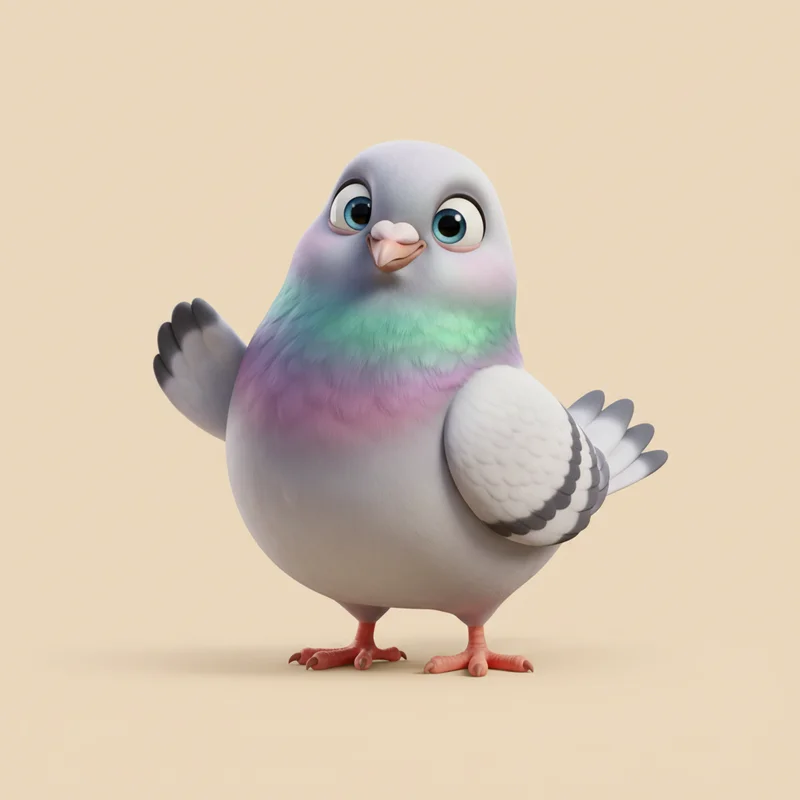
The common pigeon demonstrates remarkable biological durability across environmental conditions that would render most consumer products non-functional. Urban specimens routinely achieve 3-6 years of operational lifespan despite exposure to traffic hazards, predation pressure, municipal deterrent systems, and nutritional regimes consisting largely of discarded human food of uncertain provenance.
Protected pigeons in controlled environments have achieved documented lifespans exceeding 15 years, with the verified longevity record standing at approximately 33 years for a specimen named Cher Ami, who additionally survived German gunfire during World War I while delivering critical military intelligence. No IKEA product has demonstrated comparable combat resilience.
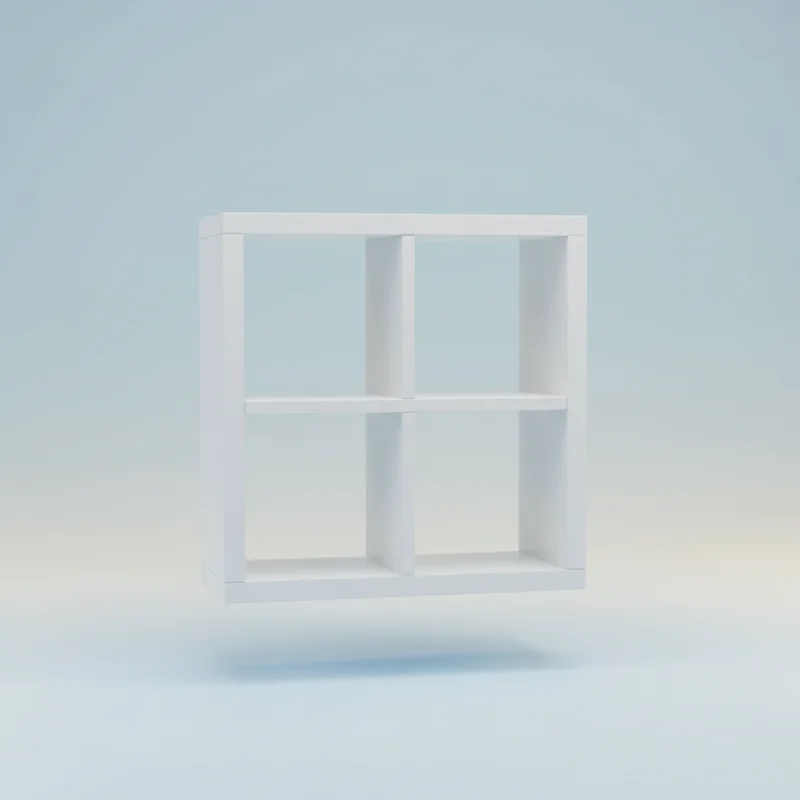
More significantly, the pigeon possesses self-repair capabilities that flat-pack furniture fundamentally lacks. Damaged feathers regenerate. Broken bones heal. Immune systems neutralize pathogens. When an IKEA KALLAX unit suffers structural damage, the consumer must acquire replacement components or abandon the unit entirely. When a pigeon suffers equivalent trauma, it simply heals itself through biological processes requiring no customer service interaction.
VERDICT
The durability comparison produces results that challenge fundamental assumptions about engineered versus evolved solutions. IKEA furniture, despite representing the accumulated wisdom of Swedish design philosophy and global supply chain optimization, cannot match a biological system refined across five million years of evolutionary pressure.
Converting these assessments to comparable metrics, a pigeon at the lower end of species lifespan outlasts budget IKEA furniture by a factor of approximately 1.5 to 2. However, this numerical comparison understates the qualitative gap. The pigeon maintains functionality through continuous self-repair. The BILLY bookcase maintains functionality through the consumer's reluctance to move it.
This category belongs to the pigeon not through marginal advantage but through fundamental architectural superiority. One product degrades. The other regenerates. Evolution, it appears, produces more durable designs than Almhult.