Where Everything Fights Everything

IKEA Furniture vs Shrek

😜 Just for fun — a tongue-in-cheek, gloriously unscientific showdown.

IKEA Furniture

IKEA Furniture

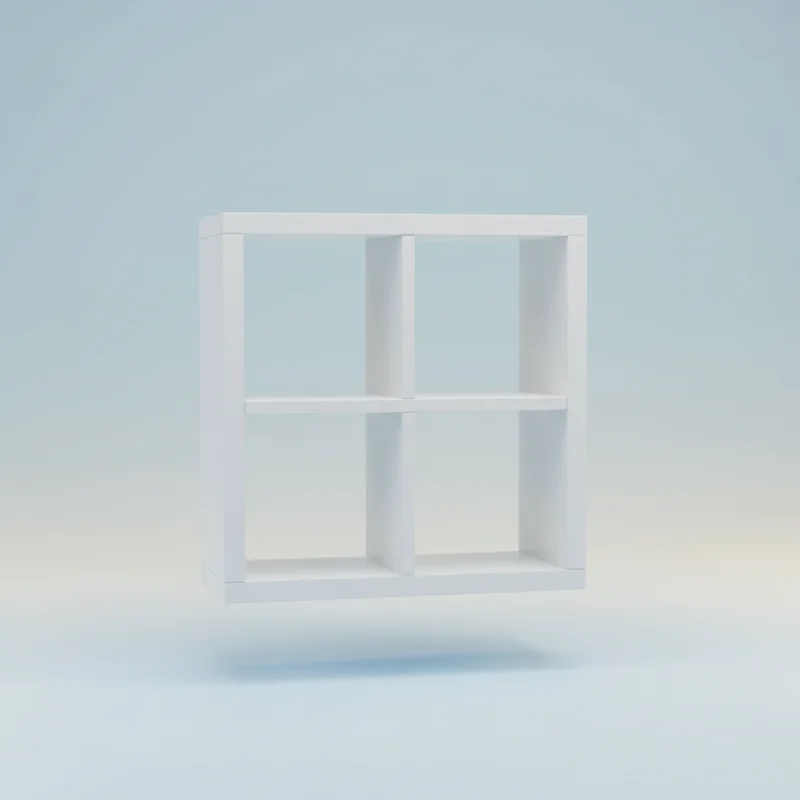
Swedish flat-pack relationship tests sold as affordable home goods. Comes with 47 pieces, one Allen key, and instructions that assume you have transcended the need for words. Marriages have ended over fewer screws.

VS
Shrek

Shrek

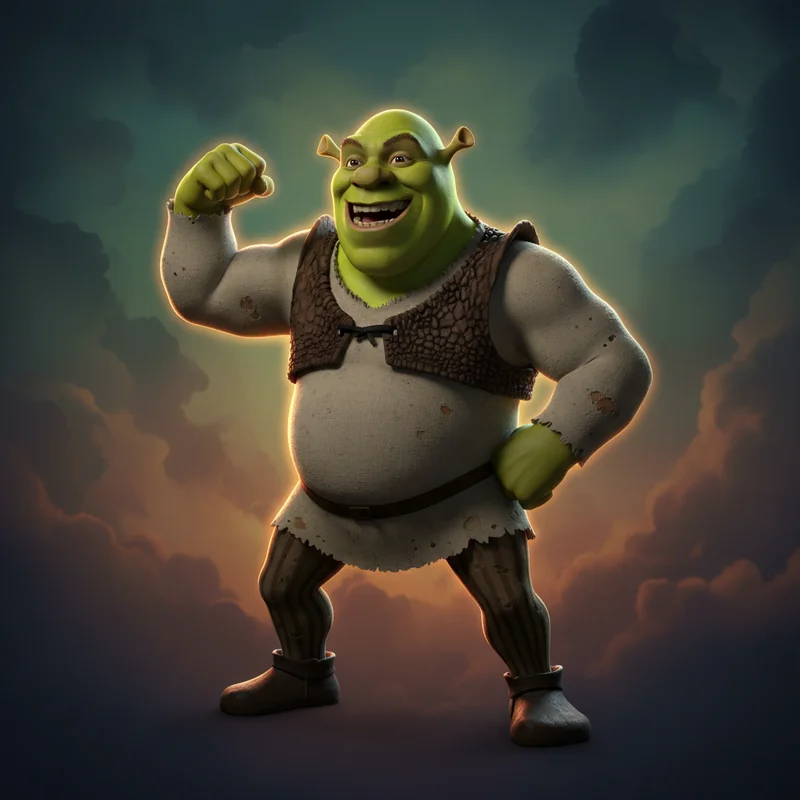
Ogre who proved layers matter.

Battle Analysis

Durability Shrek Wins
🏆 Shrek takes this round

IKEA Furniture

The durability of IKEA furniture remains one of modern civilisation's most contentious debates. Constructed primarily from particleboard - a material composed of wood chips bound with synthetic resin - these pieces occupy a curious middle ground between permanence and planned obsolescence. A well-maintained BILLY bookcase, properly assembled with all dowels correctly inserted, may serve faithfully for decades. However, the furniture's Achilles heel lies in its relationship with moisture and relocation. Each disassembly weakens the cam lock connections, whilst exposure to humidity causes irreversible swelling. Yet IKEA furniture's replaceability offers its own form of durability - the knowledge that identical replacement parts remain perpetually available transforms individual fragility into systemic resilience.

Shrek

As a cultural construct, Shrek demonstrates remarkable durability across temporal and technological shifts. The original 2001 film's CGI, whilst dated by contemporary standards, retains its emotional effectiveness. The character has survived the transition from DVD to streaming, from early internet forums to TikTok, adapting its meaning whilst maintaining core identity. Shrek's durability manifests in the franchise's continued relevance despite no major theatrical release since 2010 - the character persists through sheer memetic force. Unlike physical objects subject to entropy, Shrek exists in the realm of collective memory, where degradation follows different rules. Each new generation discovers the ogre anew, ensuring perpetual cultural reproduction.

VERDICT

Digital and cultural entities resist physical entropy; Shrek's memetic immortality outpaces particleboard's inevitable deterioration.
Versatility IKEA Furniture Wins
🏆 IKEA Furniture takes this round

IKEA Furniture

IKEA furniture's versatility represents perhaps its crowning achievement. The KALLAX shelving unit alone has been documented serving as: bookcase, room divider, vinyl record storage, cat climbing structure, standing desk base, and impromptu seating. The modular nature of IKEA systems allows infinite reconfiguration - a PAX wardrobe adapts from single-person flat to family home through component addition. IKEA hacks constitute an entire internet subculture, with enthusiasts transforming basic furniture into unrecognisable custom pieces. The furniture serves equally in student dormitories and architect-designed residences, adapting to any socioeconomic context. This versatility extends beyond function to geography - the same MALM bed frame appears in apartments from Tokyo to Toronto.

Shrek

Shrek's versatility manifests across narrative and memetic dimensions. The character functions simultaneously as children's entertainment, satirical commentary on fairy tale conventions, vehicle for celebrity voice performances, and internet phenomenon. Shrek has been deployed in contexts ranging from genuine emotional expression to ironic detachment to absurdist humour. The character adapts to theatrical staging, theme park attractions, video games, and countless unofficial adaptations. As a cultural symbol, Shrek represents variously: body positivity, Scottish identity, anti-establishment sentiment, and surrealist comedy. However, this versatility remains primarily interpretive - Shrek cannot, for instance, store books or support a television, functions at which furniture excels.

VERDICT

Functional versatility across physical applications outweighs interpretive versatility; KALLAX units serve more practical purposes than any ogre.
Accessibility IKEA Furniture Wins
🏆 IKEA Furniture takes this round

IKEA Furniture

IKEA has pioneered democratic design principles with almost religious fervour. The flat-pack format revolutionised furniture logistics, enabling mass distribution at previously unimaginable scale. A LACK side table retails at approximately seven pounds sterling - less than many sandwiches in central London. The company's showroom model, combined with in-store restaurants serving Swedish meatballs, transforms furniture acquisition into experiential entertainment. IKEA catalogues, once distributed in quantities exceeding the Bible, brought design inspiration into homes worldwide. The company's recent embrace of augmented reality applications allows customers to visualise furniture placement before purchase, further reducing barriers to acquisition.

Shrek

Shrek's accessibility spans multiple distribution channels with remarkable thoroughness. The films are available on virtually every streaming platform, physical media format, and questionable internet repository. The character requires no assembly instructions, no Allen keys, and no existential crises regarding which way the dowels insert. Shrek merchandise penetrates every price point from premium collectibles to discount store plush toys. The character's cross-generational appeal ensures accessibility across age demographics - parents who watched the original theatrical release now introduce their children to the same swamp. However, full engagement requires either streaming subscriptions or physical media purchases, whilst IKEA showrooms offer free admission.

VERDICT

Physical accessibility through 445 global stores and extremely low price points marginally exceeds Shrek's digital ubiquity.
Cultural impact Shrek Wins
🏆 Shrek takes this round

IKEA Furniture

IKEA furniture has fundamentally restructured human domestic behaviour since Ingvar Kamprad founded the company in 1943. The phenomenon of IKEA anxiety - the peculiar stress experienced whilst navigating showroom labyrinths with a small pencil - has become a universal experience transcending national boundaries. The company has introduced entirely new lexical items into global vocabulary: KALLAX, MALM, LACK - words that now conjure specific material realities in billions of minds. Perhaps most significantly, IKEA has democratised design, transforming Scandinavian minimalism from bourgeois aspiration into affordable reality. The furniture has appeared in countless films, television programmes, and social media posts, becoming visual shorthand for modern urban existence.

Shrek

Shrek burst into cultural consciousness in 2001 and proceeded to fundamentally subvert animated storytelling. The character's influence extends far beyond cinema into the realm of internet folklore, where 'Shrek is love, Shrek is life' became one of the most recognisable memes of the early digital age. The franchise generated over 3.5 billion dollars in box office revenue across four films, spawning theatrical productions, theme park attractions, and an entire vocabulary of cultural references. The phrase 'ogres have layers' has transcended its origins to become philosophical shorthand for hidden complexity. Shrek democratised animated features for adult audiences, proving that animation need not be solely children's entertainment.

VERDICT

Shrek's penetration of internet culture and meme consciousness gives it an edge in pure cultural saturation beyond physical retail presence.
Aesthetic appeal Shrek Wins
🏆 Shrek takes this round

IKEA Furniture

IKEA furniture embodies Scandinavian design philosophy - clean lines, functional minimalism, and the curious Swedish ability to make beech veneer appear sophisticated. The aesthetic has become so pervasive that 'IKEA style' constitutes a recognisable design category, simultaneously praised for its democratic elegance and critiqued for its homogenising effect on global interiors. The furniture photographs exceptionally well, explaining its dominance in social media home content. IKEA's colour palette - whites, light woods, occasional bold primaries - suggests aspirational orderliness. Yet critics argue this very uniformity produces aesthetic sterility, reducing individual homes to variations on showroom displays. The beauty of IKEA lies not in uniqueness but in accessible refinement.

Shrek

Shrek's aesthetic occupies the deliberately grotesque with strategic purpose. The character's green skin, prominent ears, and unconventional physique subvert traditional animated hero design. Yet this apparent ugliness conceals sophisticated artistic achievement - the original film's CGI represented cutting-edge technology, particularly in rendering human-like skin textures and natural environments. The swamp aesthetic, with its murky waters and rustic dwelling, created an iconic visual identity. Shrek's design philosophy - that beauty resides in authenticity rather than conformity - carries its own aesthetic appeal. The character's visual memorability exceeds most IKEA products; few can distinguish a KALLAX from a BESTA at distance, but Shrek's silhouette is instantly recognisable.

VERDICT

Shrek's iconic, instantly recognisable visual design achieves memorability that uniform Scandinavian minimalism cannot match.
👑

The Winner Is

Shrek

Takes 3 of 5 rounds

This investigation has traversed the unexpected terrain where Swedish furniture engineering meets animated ogre philosophy, revealing more commonality than initial observation might suggest. Both IKEA and Shrek emerged from specific cultural contexts - 1940s Sweden and 1990s DreamWorks respectively - to achieve global cultural penetration that transcends their origins. Both democratised their respective domains: IKEA made Scandinavian design accessible to the masses, whilst Shrek brought sophisticated animation to audiences previously underserved by the medium. The margin of victory proves remarkably slim. IKEA furniture claims superiority in accessibility and versatility - its physical presence in homes worldwide and functional adaptability remain unmatched. Yet Shrek ultimately prevails through cultural impact, durability, and aesthetic distinctiveness. The ogre's memetic immortality, his continued relevance across generational shifts, and his instantly recognisable visual identity secure a narrow but decisive victory.

Share this battle

More Comparisons