Where Everything Fights Everything

IKEA Furniture vs Sonic

😜 Just for fun — a tongue-in-cheek, gloriously unscientific showdown.

IKEA Furniture

IKEA Furniture

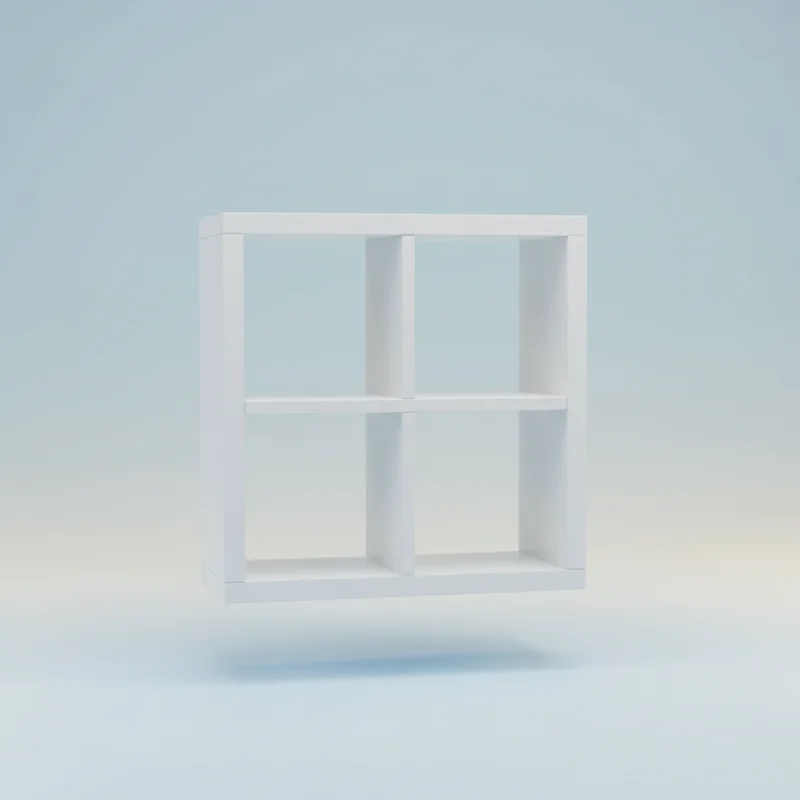
Swedish flat-pack relationship tests sold as affordable home goods. Comes with 47 pieces, one Allen key, and instructions that assume you have transcended the need for words. Marriages have ended over fewer screws.

VS
Sonic

Sonic

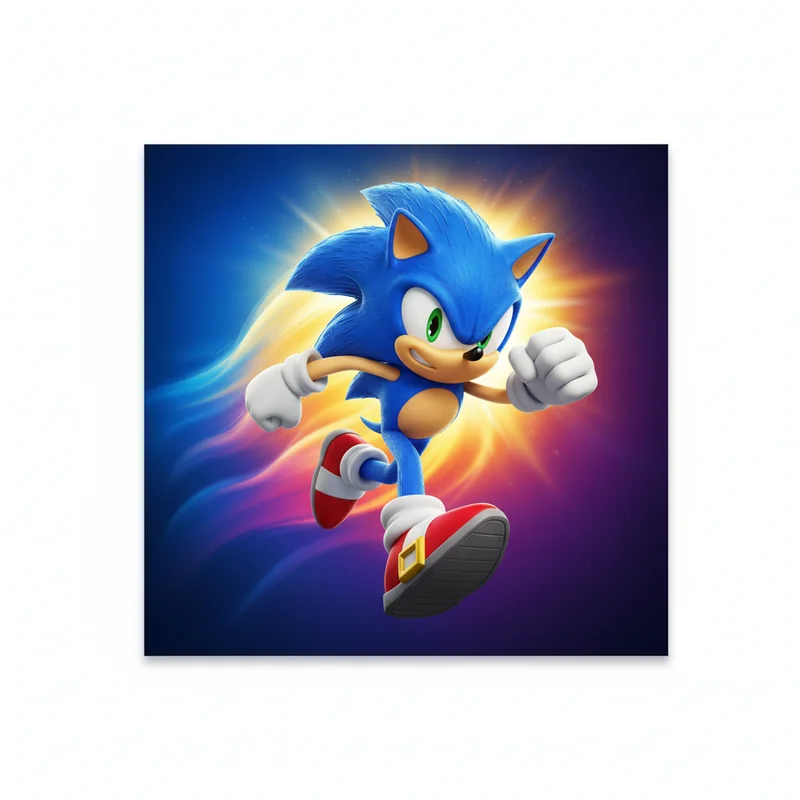
Blue hedgehog with attitude and speed.

Battle Analysis

Speed Sonic Wins
🏆 Sonic takes this round

IKEA Furniture

The velocity of IKEA furniture must be measured not in kilometres per hour, but in hours per KALLAX. The average BILLY bookcase requires approximately ninety minutes of focused assembly, a figure that stretches considerably when one accounts for the inevitable moment of discovering a backwards panel. However, IKEA's delivery infrastructure demonstrates remarkable logistical speed, with flat-pack parcels traversing continents with Germanic efficiency. The furniture itself, once assembled, achieves a velocity of precisely zero, which some might argue represents the ultimate form of speed mastery: the complete transcendence of movement altogether.

Sonic

Sonic the Hedgehog exists as a living repudiation of physics. The blue blur achieves velocities that would reduce ordinary hedgehogs to aerodynamic paste, yet emerges unscathed and, inexplicably, still wearing his gloves. His canonical top speed approaches 768 miles per hour, the speed of sound itself, a feat that renders him essentially a mammalian fighter jet with attitude. The Spin Dash technique allows acceleration from standstill to supersonic in approximately two seconds, a performance metric that would make Formula One engineers weep with inadequacy. This is not mere speed; this is velocity as a philosophical statement.

VERDICT

One entity breaks the sound barrier whilst the other breaks spirits during assembly. The mathematics favour the hedgehog.
Durability Sonic Wins
🏆 Sonic takes this round

IKEA Furniture

The durability of IKEA furniture exists in a quantum state of uncertainty. Freshly assembled, it presents a facade of Nordic solidity. However, a single house move reveals its true nature: the cam locks loosen, the particle board remembers its sawdust origins, and the whole structure develops an alarming wobble that no amount of felt furniture pads can remedy. Yet paradoxically, certain IKEA products demonstrate cockroach-like survival instincts. The POANG chair, that bent birch marvel, has outlasted relationships, careers, and in some cases, the humans who purchased it. The truth is that IKEA durability is directly proportional to assembly competence, a cruel meritocracy of allen key proficiency.

Sonic

Sonic's durability operates under cartoon logic, which is to say, no logic at all. He can survive impacts that would liquify conventional mammals, shrug off explosions, and emerge from robot-obliterating collisions with nothing but temporary ring loss. His only true vulnerability lies in falling into bottomless pits or drowning, that terrifying countdown music haunting the dreams of millennials worldwide. The hedgehog has survived corporate near-death experiences as well, weathering the catastrophic Sonic 2006 and emerging on the other side with franchise intact. This demonstrates durability not merely physical but institutional, a resilience that transcends mere bodily integrity.

VERDICT

Sonic survives explosions and bad game releases alike; IKEA furniture fears moving vans and enthusiastic children equally.
Cultural impact IKEA Furniture Wins
🏆 IKEA Furniture takes this round

IKEA Furniture

IKEA has fundamentally restructured humanity's relationship with furniture. Before IKEA, furniture was purchased assembled by craftsmen. After IKEA, billions accepted that weekend torment was a reasonable price for affordable Scandinavian design. The company pioneered experiential retail, transforming shopping into a daylong expedition complete with arrows, shortcuts only locals know, and sustenance stations dispensing meatballs. IKEA has inspired academic papers, documentaries, and a measurable phenomenon known as the 'IKEA Effect,' wherein humans irrationally value objects they have assembled themselves. The company has, in essence, monetised suffering whilst making it feel like self-improvement.

Sonic

Sonic represented gaming's first culture war, the SEGA versus Nintendo conflict that defined a generation's playground politics. Choosing Sonic or Mario was not merely a consumer preference but an identity declaration. The character introduced 'attitude' to gaming, a cocky, finger-wagging smugness that perfectly captured early nineties youth culture. Sonic games pioneered speed-based platforming, influencing countless subsequent titles. The character's survival through multiple console generations proves his cultural staying power, whilst his recent film adaptations demonstrate Hollywood's recognition of his brand equity. Sonic has become gaming's nostalgia made manifest.

VERDICT

IKEA created an entirely new consumer behaviour paradigm; Sonic, though beloved, operated within existing entertainment frameworks.
Aesthetic appeal Sonic Wins
🏆 Sonic takes this round

IKEA Furniture

IKEA's aesthetic philosophy represents democratised Scandinavian minimalism, bringing clean lines and functional beauty to the masses. The design language prioritises form following function, with products named after Swedish geography lending an air of Nordic mystique to otherwise mundane objects. A HEMNES dresser sounds infinitely more sophisticated than 'white chest of drawers.' The aesthetic has become so ubiquitous that interior designers now speak of the 'IKEA-fication' of home decor, a homogenisation of taste that has made identical living rooms appear from Los Angeles to Lagos. This is either brilliant design accessibility or catastrophic aesthetic monoculture, depending on one's perspective.

Sonic

Sonic's design represents a masterclass in character aesthetics, a visual language so effective it communicates personality instantly. The blue colouring, chosen to match SEGA's logo, has become iconic. The red shoes suggest speed. The spines imply danger yet remain somehow approachable. His redesign for the 2020 film, following fan outcry at the original horrifying attempt, demonstrated the power of his established aesthetic; deviation proved unacceptable to millions. The character walks the delicate line between cool and cute, aggressive and friendly, a visual paradox that has sustained appeal across decades whilst competitors have faded into obscurity.

VERDICT

Whilst IKEA achieves functional beauty, Sonic's design transcends mere aesthetics to achieve genuine iconography recognisable from silhouette alone.
Global recognition IKEA Furniture Wins
🏆 IKEA Furniture takes this round

IKEA Furniture

IKEA operates 462 stores across 62 markets, making the MALM dresser more globally distributed than many religions. The company name has become a verb in multiple languages, with 'to IKEA' understood universally as the act of purchasing affordable furniture whilst consuming Swedish meatballs. The distinctive blue and yellow branding triggers immediate recognition from Stockholm to Sydney, from Toronto to Tokyo. An estimated one billion people visit IKEA stores annually, making it a pilgrimage site rivalling Mecca in foot traffic, if not spiritual significance. The LACK table alone has appeared in more student flats than any other single piece of furniture in human history.

Sonic

Sonic has achieved the rare status of mascot transcendence, recognisable to humans who have never held a gaming controller. His silhouette alone, that distinctive spiky profile, registers instant recognition across demographic boundaries that marketing executives can only dream of penetrating. The franchise has sold over 1.5 billion units across games, merchandise, and media adaptations. Two feature films have introduced him to new generations, whilst his appearance in Tokyo's Olympic ceremonies cemented his status as a cultural ambassador. From arcade cabinets to Hollywood blockbusters, the blue hedgehog has proven remarkably versatile in his global conquest.

VERDICT

Whilst Sonic dominates screens, IKEA occupies actual physical space in homes worldwide, achieving a tangible presence unmatched by digital hedgehogs.
👑

The Winner Is

Sonic

Takes 3 of 5 rounds

This analysis has traversed the improbable terrain where flat-pack pragmatism meets supersonic fantasy, and what emerges is a portrait of two entities that have, each in their distinctive manner, conquered the modern world. IKEA furniture has colonised living spaces from student bedsits to suburban homes, teaching humanity that suffering builds character and that character can be purchased for surprisingly reasonable prices. Sonic, meanwhile, has occupied mental real estate in the minds of gamers worldwide, proving that speed, spines, and attitude constitute a winning combination.

The criteria have revealed fascinating parallels: both emerged in the latter twentieth century, both achieved global dominance through distinctive branding, and both have demonstrated remarkable survival instincts through changing cultural landscapes. Where IKEA democratised design, Sonic democratised coolness, offering playground credibility to SEGA loyalists worldwide.

Yet ultimately, the blue blur edges ahead. His velocity, durability, and aesthetic iconography represent achievements that transcend physical limitations, whilst IKEA furniture, however beloved, remains bound by the constraints of particle board and cam lock technology.

Share this battle

More Comparisons