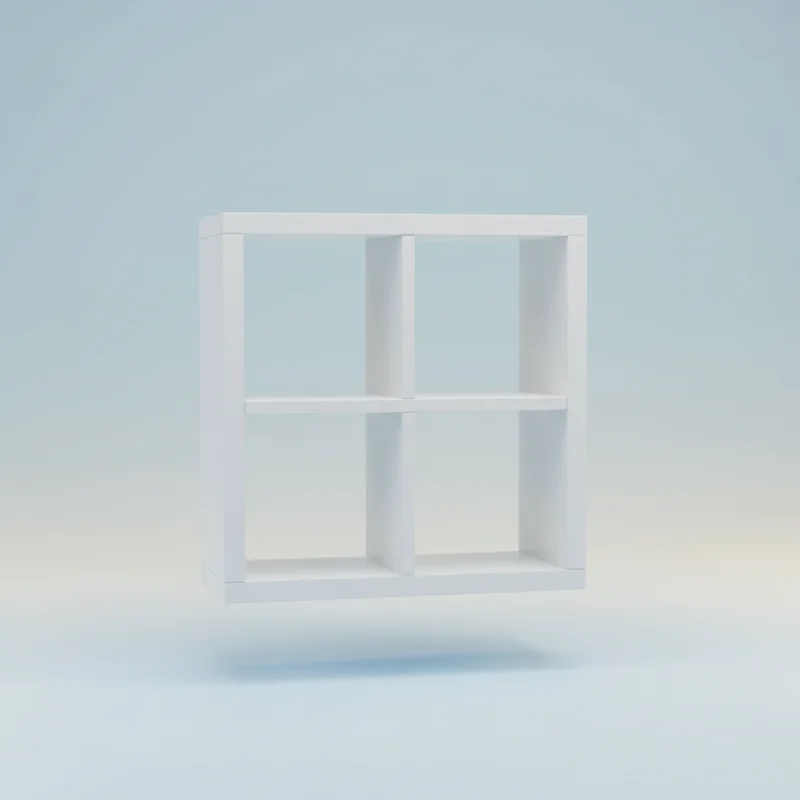

IKEA Furniture
IKEA furniture demonstrates a variable lifespan of 3-15 years depending on product line, usage intensity, and the number of times it has been disassembled and reassembled during residential relocations.
The particleboard construction common to entry-level items exhibits particular vulnerability to moisture exposure, with the infamous BILLY bookcase known to develop a distinctive sway after its third encounter with a damp environment. Premium lines such as HEMNES utilize solid pine construction, extending functional life considerably but introducing the exciting possibility of furniture that outlasts the relationship in which it was purchased.
The cam lock fastening system, while ingenious in its conception, loses structural integrity with each assembly cycle. Industry analysts estimate a 15-20% degradation in joint stability per reassembly, creating a mathematical certainty of eventual failure for any piece that survives more than four moves.
Tea
Tea demonstrates extraordinary durability characteristics when evaluated through proper storage protocols. Properly stored tea leaves maintain acceptable quality for 18-24 months, with certain fermented varieties such as Pu-erh actually improving over decades of storage.
The dried leaf format represents an evolutionary triumph of preservation technology, achieved through the simple expedient of removing moisture content. Unlike furniture, tea does not suffer structural degradation from repeated use. Each serving is independent, requiring no reference to previous servings for functional integrity.
More significantly, the tea plant itself demonstrates a lifespan of 30-50 years under cultivation, with ancient specimens in Yunnan Province documented at over 1,000 years of continuous production. The tea bush has outlasted empires, revolutions, and countless furniture trends without requiring a single allen key adjustment.
VERDICT
The durability comparison yields a decisive result favoring the biological product over the engineered one. While IKEA furniture faces inevitable structural compromise through the very act of fulfilling its purpose as portable, affordable storage, tea maintains consistent quality across its intended lifecycle.
The fundamental difference lies in consumption model. IKEA furniture must endure use; tea is designed to be consumed. This philosophical distinction means that every cup of tea represents a complete, successful lifecycle, while every year of furniture use represents progressive degradation toward eventual failure.
When comparing durability, one must acknowledge that tea has been performing consistently for five millennia, while IKEA has been operating for seven decades. The historical evidence strongly favors the leaf.