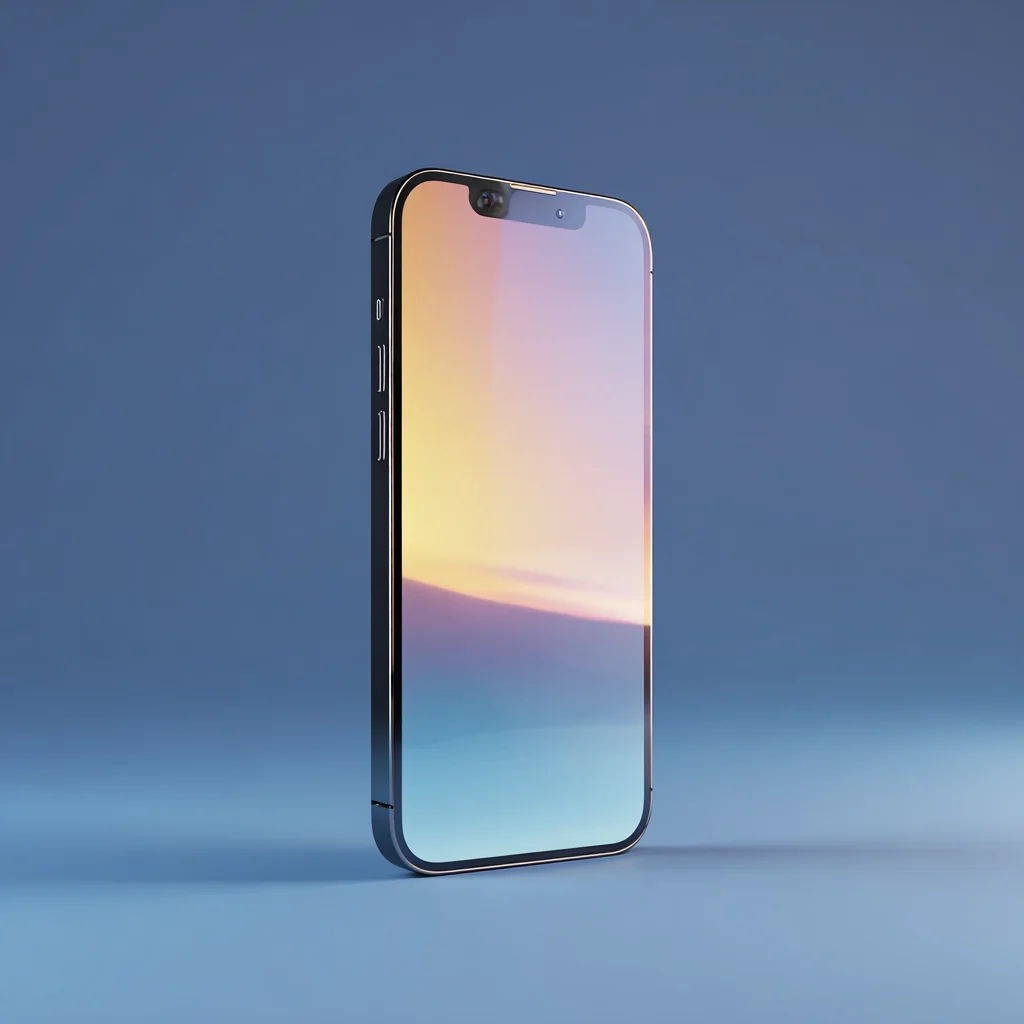
iPhone
The iPhone processes information at velocities that render human perception irrelevant. The A17 Pro chip executes approximately 17 trillion operations per second, navigating the digital realm with a celerity that makes light itself seem hesitant. Data packets traverse global networks, ricocheting between continents in milliseconds, carrying selfies and spreadsheets with equal urgency.
However, the device itself remains stubbornly stationary unless propelled by external forces. Its maximum velocity is entirely dependent upon whatever conveyance its owner has chosen, making it a passive participant in the physics of motion. The iPhone's speed is fundamentally informational rather than kinetic.
Airplane
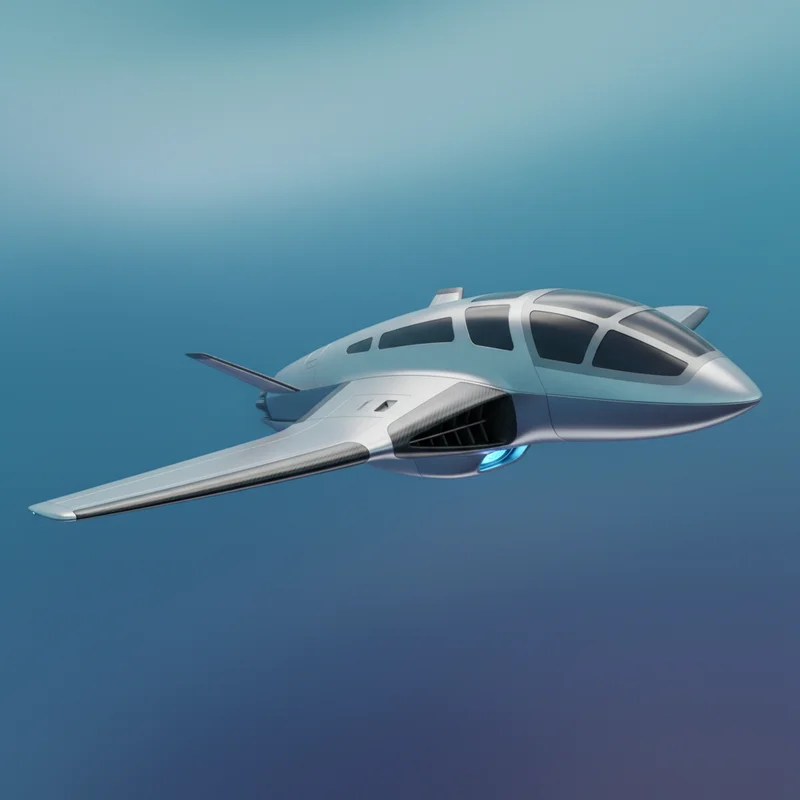
The commercial airplane represents humanity's most successful assault on the tyranny of distance. A Boeing 787 Dreamliner cruises at 903 kilometres per hour, consuming geography at a rate of 15 kilometres every minute. The Concorde, now retired, achieved Mach 2.04, arriving in New York before it departed London in terms of local time.
This is not merely velocity but the systematic annihilation of space itself. An airplane transforms a journey that once required months of perilous ocean travel into an afternoon's mild inconvenience accompanied by pretzels. The kinetic supremacy of the airplane remains uncontested in the civilian sphere.