Topic Battle

Where Everything Fights Everything

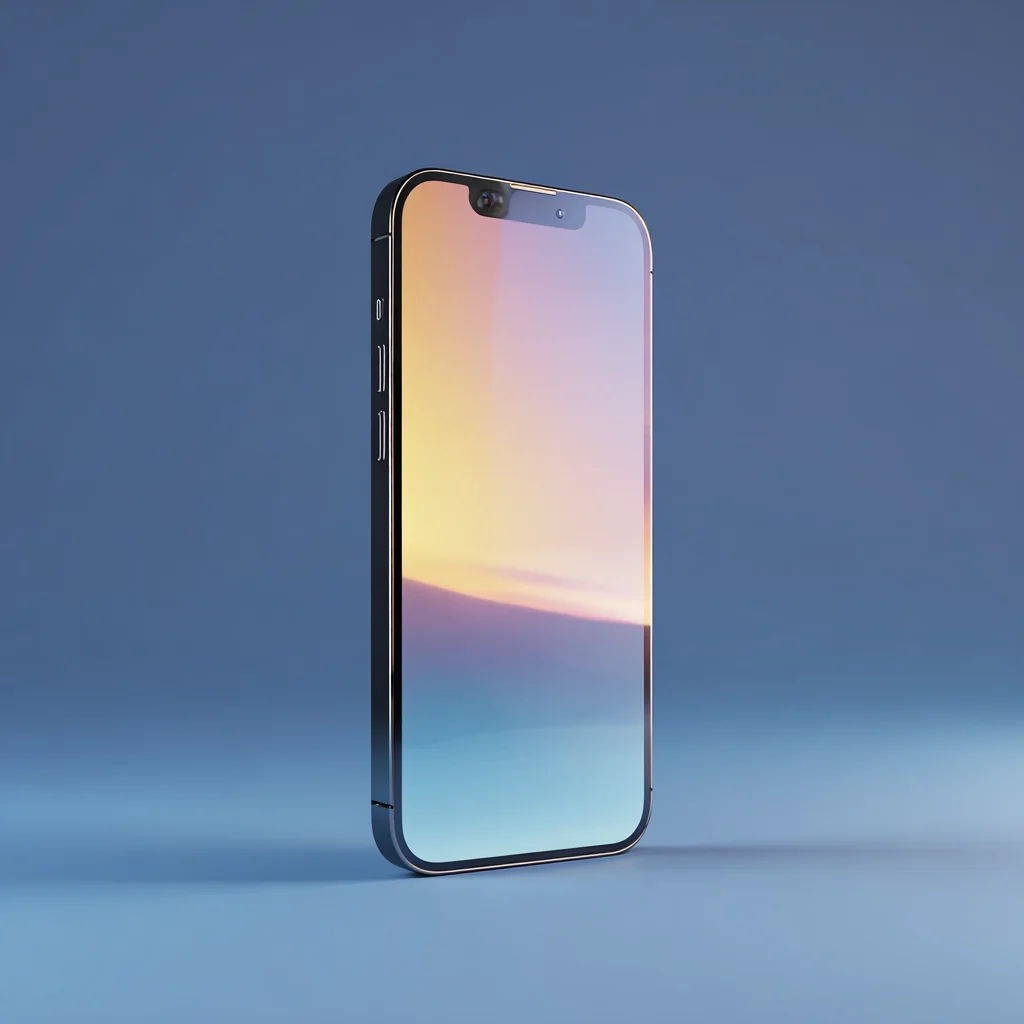
iPhone

iPhone

Apple's flagship smartphone line, known for its iOS operating system, premium build quality, and ecosystem integration.

VS
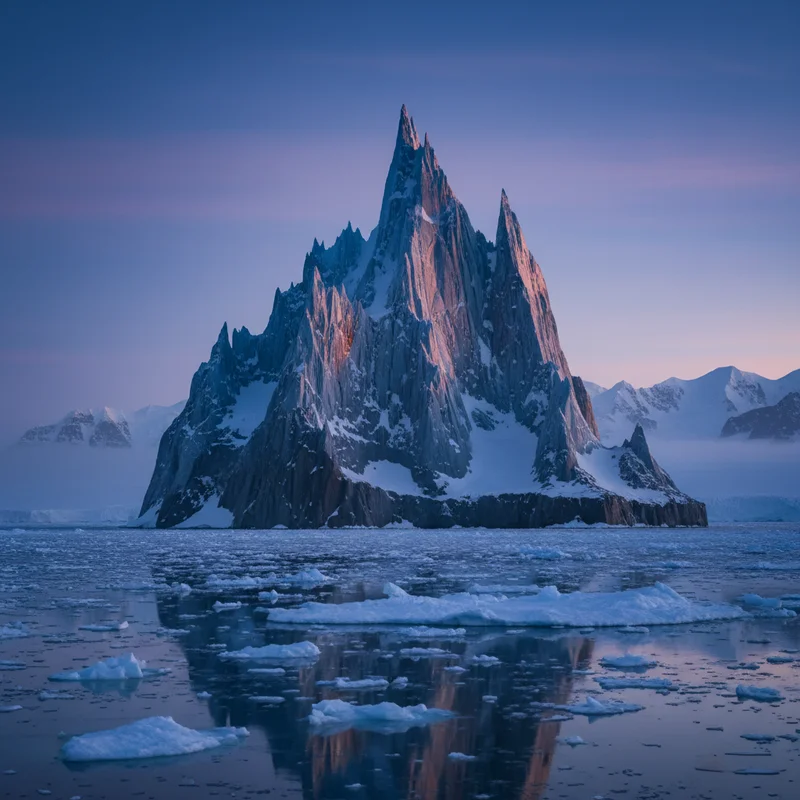
Antarctica

Antarctica

Frozen continent at the bottom of the world.

Battle Analysis

Global accessibility iphone Wins
70%
30%
iPhone Antarctica

iPhone

Apple has achieved global retail distribution spanning 175 countries, with devices available through approximately 520 flagship stores and hundreds of thousands of authorised resellers. For residents of developed economies, iPhone acquisition requires merely financial resources and a brief journey to the nearest commercial centre.

The democratisation of access has been Apple's commercial triumph—a device once representing elite technological luxury now penetrates markets from Manhattan to Mumbai. Second-hand markets further extend accessibility, with functional previous-generation devices available at price points accessible to the global middle class.

Antarctica

Antarctica remains the least accessible landmass on Earth. No commercial flights serve the continent; arrival requires either expensive expedition cruises departing from Ushuaia, Argentina, or chartered aircraft landing on ice runways that exist only seasonally. Fewer than 50,000 tourists visit annually, compared to the millions who acquire iPhones each quarter.

The continent maintains no permanent human population. Its approximately 4,000 summer residents and 1,000 winter inhabitants occupy research stations under conditions of voluntary isolation that few humans could tolerate. No nation possesses sovereignty; the Antarctic Treaty System establishes international governance unprecedented in territorial history.

VERDICT

Distribution across 175 countries with 1.2 billion active users decisively exceeds 50,000 annual visitors to an inaccessible frozen continent.
Cultural significance antarctica Wins
30%
70%
iPhone Antarctica

iPhone

The iPhone has achieved iconic status within contemporary material culture. Its silhouette alone communicates technological sophistication; its possession signals membership in connected global modernity. The device appears in over 50,000 films, television programmes, and music videos, functioning as visual shorthand for the present era.

Steve Jobs' 2007 introduction of the original iPhone ranks among the most viewed technology presentations in history, a moment of cultural punctuation marking the transition from pre-smartphone to post-smartphone existence. The device has reshaped human behaviour so fundamentally that its absence now constitutes a notable lifestyle choice requiring explanation.

Antarctica

Antarctica occupies a singular position in human cultural imagination as the last great wilderness. The heroic age of Antarctic exploration produced narratives of endurance—Shackleton's Endurance expedition, Scott's doomed Terra Nova journey—that continue to define conceptions of human courage against natural forces. These accounts have generated thousands of books, documentaries, and films across the century since their occurrence.

The continent serves as universal metaphor for frontier, purity, and the unknown. Its pristine whiteness appears in corporate imagery, environmental campaigns, and artistic expression as shorthand for nature unspoiled by human activity. No other geographical feature carries equivalent symbolic weight in global consciousness.

VERDICT

A century of heroic exploration narratives and status as humanity's last wilderness frontier exceeds fifteen years of consumer electronics iconography.
Environmental dominance antarctica Wins
30%
70%
iPhone Antarctica

iPhone

The iPhone exercises dominion over the attention economy with remarkable efficiency. Studies indicate the average user touches their device 2,617 times daily, representing a capture rate of conscious human attention unprecedented in technological history. The global installed base exceeds 1.2 billion active devices, creating a network of interconnected consciousness that spans every inhabited continent.

However, this dominance operates exclusively within the narrow environmental parameters human civilisation has established. The iPhone ceases to function below -20 degrees Celsius, precisely the temperatures that define Antarctic normalcy. Its empire, whilst vast, remains climatically constrained to zones where human comfort permits extended device interaction.

Antarctica

Antarctica dominates its environment through absolute inhospitability. Winter temperatures routinely plunge below -60 degrees Celsius, with the coldest recorded temperature reaching -89.2 degrees at the Soviet Vostok Station in 1983. Katabatic winds exceeding 300 kilometres per hour have been measured descending from the polar plateau, forces sufficient to render most human structures and technologies inoperable.

The continent's ice sheet averages 2.16 kilometres in thickness, representing frozen water accumulated over 34 million years. This mass depresses the underlying bedrock by hundreds of metres through sheer gravitational pressure—a display of environmental dominance operating at geological timescales that no manufactured device can approximate or contest.

VERDICT

Absolute physical dominion over 14.2 million square kilometres through temperatures and forces that render all competing technologies inoperable.
Scientific contribution antarctica Wins
30%
70%
iPhone Antarctica

iPhone

The iPhone has enabled citizen science at unprecedented scale. Applications transforming users into data collectors have contributed to projects ranging from astronomical observation through distributed telescope networks to epidemiological tracking during global health emergencies. The device's sensors—accelerometers, gyroscopes, barometers—generate continuous streams of potentially analysable data.

However, the iPhone's scientific role remains primarily instrumental rather than revelatory. It facilitates research rather than generating fundamental discoveries. No Nobel Prize has been awarded for insights derived exclusively from iPhone-based investigation, though the platform has accelerated data collection across numerous disciplines.

Antarctica

Antarctica serves as Earth's primary climate archive, with ice cores extracted from its depths providing atmospheric records extending back 800,000 years. These frozen samples contain trapped air bubbles preserving precise measurements of carbon dioxide, methane, and other gases—the only direct evidence of pre-instrumental atmospheric composition available to science.

The continent hosts 70 permanent research stations operated by 30 nations, conducting investigations spanning cosmology to microbiology. Antarctic observatories detected the ozone hole that transformed international environmental policy. The IceCube Neutrino Observatory, buried two kilometres beneath the South Pole, has captured neutrinos from distant galactic sources, opening new windows upon the universe.

VERDICT

Eight hundred thousand years of climate data and paradigm-shifting discoveries including the ozone hole exceed facilitation of citizen science applications.
Longevity and permanence antarctica Wins
30%
70%
iPhone Antarctica

iPhone

The average iPhone remains in active service for 4.5 years before replacement, though software support typically extends only 5-6 years from initial release. The device represents consumable technology—purchased, utilised, and discarded within timescales measured in single-digit years. Apple's own recycling programmes acknowledge this impermanence.

The entire iPhone lineage spans merely seventeen years from the 2007 original to present iterations. Whether the form factor will persist another seventeen years remains uncertain; technological evolution has previously rendered entire device categories obsolete within similar durations.

Antarctica

Antarctica has existed in approximately its current configuration for 34 million years, since the opening of the Drake Passage permitted circumpolar current establishment and continental glaciation. The East Antarctic Ice Sheet is estimated at 14 million years of age, having persisted through multiple global climate oscillations that reshaped all other continental environments.

Geological projections suggest Antarctic ice will endure for millions of additional years under any plausible climate scenario, though margins may fluctuate substantially. The continent's fundamental structure—a landmass positioned over the South Pole—results from continental drift operating across timescales so vast that human civilisation registers as a momentary flicker.

VERDICT

Thirty-four million years of continuous frozen existence versus seventeen years of product line history represents categorical temporal asymmetry.
👑

The Winner Is

Antarctica

38 - 62

This investigation concludes with Antarctica prevailing at 62 to 38, a margin reflecting the profound asymmetries between planetary geography and consumer electronics. The iPhone's undeniable triumph in accessibility and its transformation of daily human existence cannot compensate for Antarctica's categorical dominance across dimensions of environmental power, scientific significance, and temporal permanence.

The comparison illuminates a fundamental truth about human technological achievement: our most sophisticated creations remain operating within the natural world rather than transcending it. The iPhone ceases to function under precisely the conditions that define Antarctic normalcy. Its rare earth minerals, extracted through environmentally devastating processes, will eventually return to geological substrate whilst Antarctica's ice continues its patient accumulation.

Yet this verdict should not diminish appreciation for either subject. The iPhone represents genuine human brilliance—computational power that would have seemed magical to previous generations, compressed into a pocket-sized rectangle. Antarctica represents planetary forces operating beyond human manipulation, a reminder that Earth contains realms we can visit but never inhabit.

iPhone
38%
Antarctica
62%

Share this battle

More Comparisons