Topic Battle

Where Everything Fights Everything

iPhone

iPhone

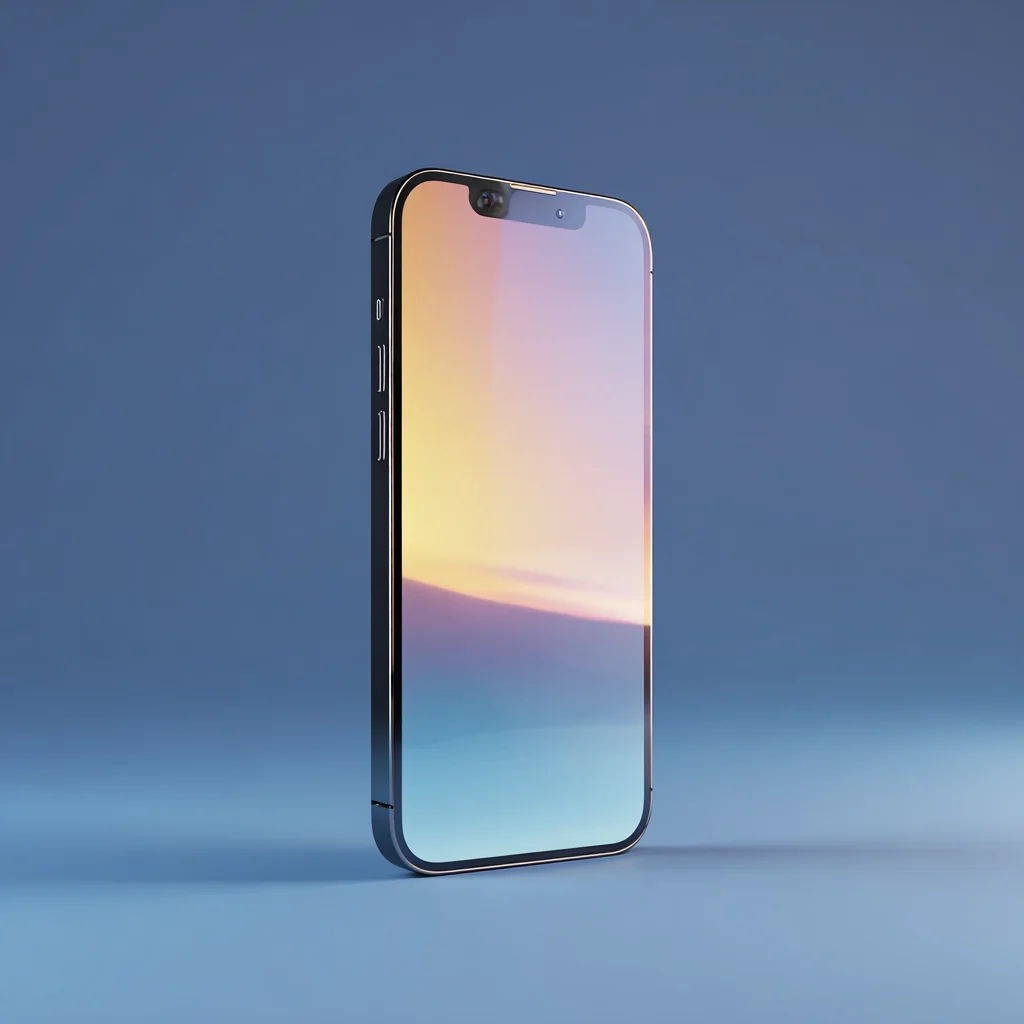
Apple's flagship smartphone line, known for its iOS operating system, premium build quality, and ecosystem integration.

VS
Boat

Boat

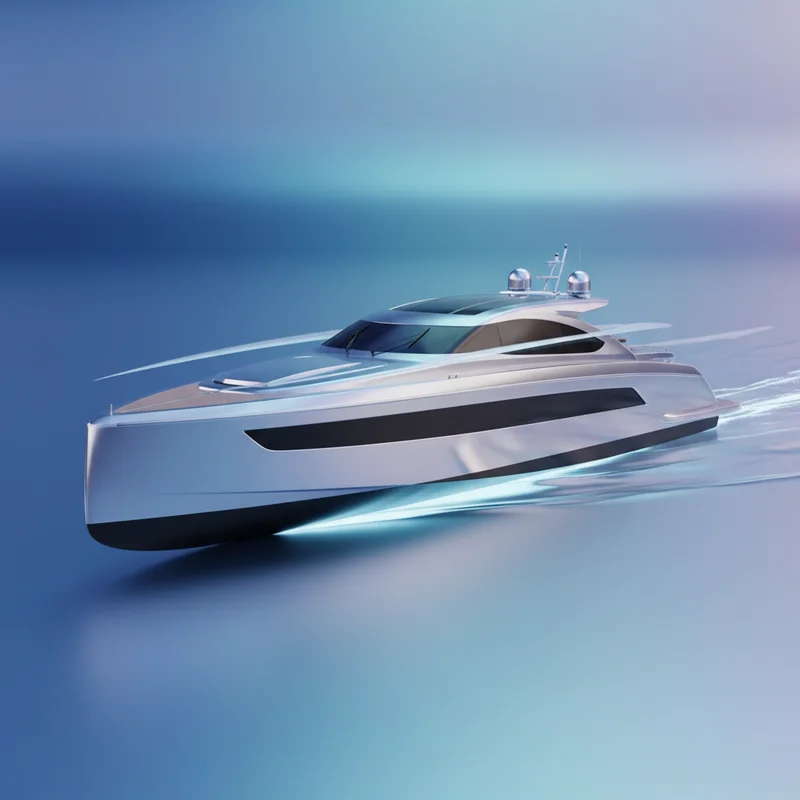
Watercraft of varying sizes for transport and leisure.

Battle Analysis

Durability boat Wins
30%
70%
iPhone Boat

iPhone

The average iPhone maintains functional operation for approximately 4-5 years before battery degradation, software obsolescence, or physical damage renders it impractical. Apple's engineering employs aerospace-grade aluminium and Ceramic Shield glass, yet these materials offer limited protection against the accumulation of entropy.

The device's lithium-ion battery loses approximately 20% capacity after 500 charge cycles, creating an inherent expiration date regardless of external care. Furthermore, the rapid pace of software development ensures that functional hardware becomes effectively obsolete long before physical failure occurs.

Boat

Well-maintained wooden vessels have demonstrated operational lifespans exceeding 150 years, with the Star of India, built in 1863, remaining seaworthy today. Modern fibreglass and steel construction extends potential longevity further still, with proper maintenance enabling indefinite operational continuation.

The boat's durability derives from its modular construction philosophy—individual components may be replaced whilst the essential vessel persists. A boat's hull, decking, rigging, and engine may all be renewed without losing the fundamental identity of the craft. This capacity for continuous renewal represents a form of practical immortality unavailable to sealed electronic devices.

VERDICT

Centuries of seaworthy operation through modular replacement vastly exceeds electronic lifespans.
Accessibility iphone Wins
70%
30%
iPhone Boat

iPhone

The iPhone's global distribution network ensures availability across 175 countries, with price points ranging from entry-level models to premium configurations. Apple's trade-in programmes and refurbishment operations extend accessibility further, enabling device ownership across diverse economic circumstances.

Digital accessibility features—VoiceOver, AssistiveTouch, hearing aid compatibility—have established the iPhone as a leader in inclusive design. The device requires no special training, infrastructure, or licensing to operate, reducing barriers to adoption that characterise many complex technologies.

Boat

Boat ownership presents substantial barriers including initial purchase cost, ongoing maintenance expenses, storage fees, licensing requirements, and the acquisition of operational skills. A basic seaworthy vessel costs tens of thousands of pounds, with annual maintenance adding 10-15% of purchase price.

Geographic limitations further restrict accessibility—inland populations without water access find boats impractical regardless of financial capacity. Operating a boat safely requires training, certification in many jurisdictions, and physical capabilities that exclude portions of the population. The boat remains a pursuit for the privileged few rather than the universal many.

VERDICT

Global availability, inclusive design, and minimal barriers enable truly universal accessibility.
Daily utility iphone Wins
70%
30%
iPhone Boat

iPhone

The iPhone accompanies its users through virtually every waking moment, facilitating an average of 2,600 daily interactions. From morning alarms to bedtime reading, the device serves as calendar, camera, compass, calculator, communication hub, entertainment centre, and increasingly, digital wallet and identification document.

An estimated 1.2 billion active iPhones worldwide testify to the device's unprecedented integration into human existence. The smartphone has become so essential that its absence triggers measurable anxiety responses—a phenomenon researchers have termed nomophobia. No previous technology has achieved such intimate, constant presence in human life.

Boat

The boat's daily utility, whilst less ubiquitous than the smartphone, proves essential for millions of maritime professionals, coastal communities, and island populations worldwide. Fishing vessels supply protein to billions; ferries transport passengers where bridges cannot reach; cargo ships enable the global economy.

For recreational users, boats provide access to experiences unavailable through any other means—the solitude of open water, the thrill of sailing, the connection to natural rhythms that landlocked existence cannot replicate. Yet boats demand dedicated journeys rather than constant companionship, limiting their integration into daily routine for most users.

VERDICT

Constant presence with 2,600 daily interactions demonstrates unmatched integration into modern life.
Environmental impact boat Wins
30%
70%
iPhone Boat

iPhone

Each iPhone requires approximately 70 kilograms of raw materials across its complete supply chain, including rare earth elements extracted through environmentally intensive mining operations. Manufacturing generates an estimated 70 kg of CO2 equivalent per device, with the majority occurring during production rather than use.

The proliferation of electronic waste presents growing environmental challenges, with only 17% of e-waste properly recycled globally. The constant upgrade cycle encouraged by planned obsolescence creates mounting pressure on mineral resources and waste management systems. Apple's environmental initiatives, whilst notable, cannot fully offset these fundamental impacts.

Boat

Modern boats present a complex environmental picture. Recreational vessels often employ two-stroke engines producing significant hydrocarbon emissions, whilst large cargo ships burn heavy fuel oil generating substantial atmospheric pollution. Maritime transport contributes approximately 2.5% of global greenhouse gases.

Yet boats also demonstrate remarkable longevity, reducing per-year environmental impact through extended service life. Sailing vessels operate with zero emissions during transit, and traditional wooden boat construction utilised entirely renewable materials. The environmental calculus depends heavily upon vessel type, propulsion method, and operational lifespan—a complexity that defies simple comparison.

VERDICT

Extended operational lifespans and zero-emission sailing options edge out disposable electronics.
Historical significance boat Wins
30%
70%
iPhone Boat

iPhone

The iPhone represents one of the most significant technological introductions of the twenty-first century, fundamentally restructuring human communication, commerce, and social behaviour within a mere seventeen years. Steve Jobs' keynote presentation in 2007 has been analysed by business scholars as a watershed moment in consumer technology.

The device spawned an entirely new economic sector—the app economy—now valued at over $400 billion annually. Its influence on industries from taxi services to banking demonstrates a transformative capacity that few individual products have ever achieved. Yet measured against the sweep of human history, the iPhone remains a newcomer whose long-term significance awaits confirmation.

Boat

The boat's historical significance cannot be overstated. Watercraft enabled the Polynesian settlement of the Pacific, the Greek colonisation of the Mediterranean, the Viking expansion across the North Atlantic, and the European Age of Exploration that reshaped global civilisation. Without boats, humanity would have remained confined to connected landmasses.

The development of the caravel, clipper ship, and steamship each marked revolutionary advances in human capability. Boats carried the spice trade, the slave trade, the great migrations to the Americas, and continue to transport 90% of global trade today. The entire structure of modern civilisation rests upon maritime foundations laid over millennia.

VERDICT

Ten millennia of civilisation-enabling transportation eclipses seventeen years of digital innovation.
👑

The Winner Is

Boat

47 - 53

In this comprehensive examination, the boat emerges victorious with a score of 53 to 47, prevailing in three of five critical categories. The iPhone's remarkable achievements in daily utility and accessibility cannot ultimately overcome the boat's profound historical significance, superior durability, and marginally better environmental profile over extended operational lifespans.

The boat's advantages reflect ten thousand years of continuous refinement—a development timeline that positions the iPhone's seventeen-year history as a promising but still nascent contribution to human capability. As maritime trade continues to underpin global commerce and recreational sailing connects humans with elemental forces, the boat's relevance shows no signs of diminishing.

Nevertheless, the iPhone's strong performance acknowledges the extraordinary transformation these devices have accomplished within a single generation. The comparison ultimately reveals complementary rather than competing achievements—one conquers physical distance, the other transcends it entirely through digital means.

iPhone
47%
Boat
53%

Share this battle

More Comparisons