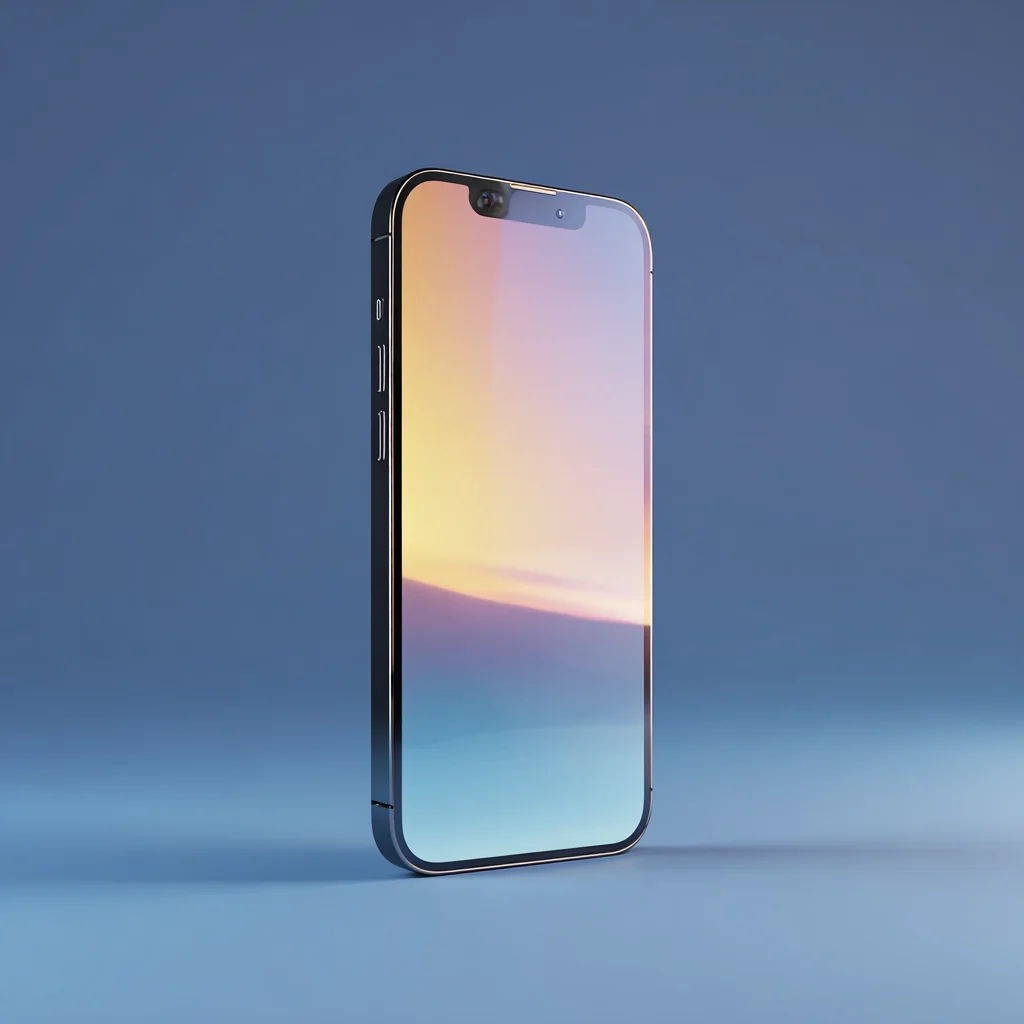

iPhone
The iPhone presents a fascinating case study in planned obsolescence versus structural resilience. Individual devices demonstrate remarkable fragility—the familiar spider-web crack pattern of a dropped iPhone has become an unwelcome universal experience. Apple's own data suggests an average functional lifespan of three to four years before performance degradation renders replacement attractive.
However, the iPhone as a conceptual entity displays extraordinary durability. Through sixteen major iterations, the product line has not merely survived but dominated, weathering economic recessions, supply chain catastrophes, and the most determined efforts of global competitors. The durability of the iPhone lies not in any single device but in the persistence of the ecosystem itself.
Boxing
Boxing has demonstrated a remarkable capacity for survival across five millennia of human civilisation. The sport has endured religious prohibition, governmental suppression, medical condemnation, and periodic declarations of its imminent demise. Each generation produces commentators confident that boxing has reached its terminus, and each generation is proven spectacularly incorrect.
The fundamental appeal of stylised combat appears hardwired into human psychology. Despite the rise of mixed martial arts, despite concussion protocols and safety concerns, boxing persists. Its durability is not merely temporal but structural—the basic rules established by the Marquess of Queensberry in 1867 remain functionally unchanged, a stability that few human institutions can claim.