Topic Battle

Where Everything Fights Everything

iPhone

iPhone

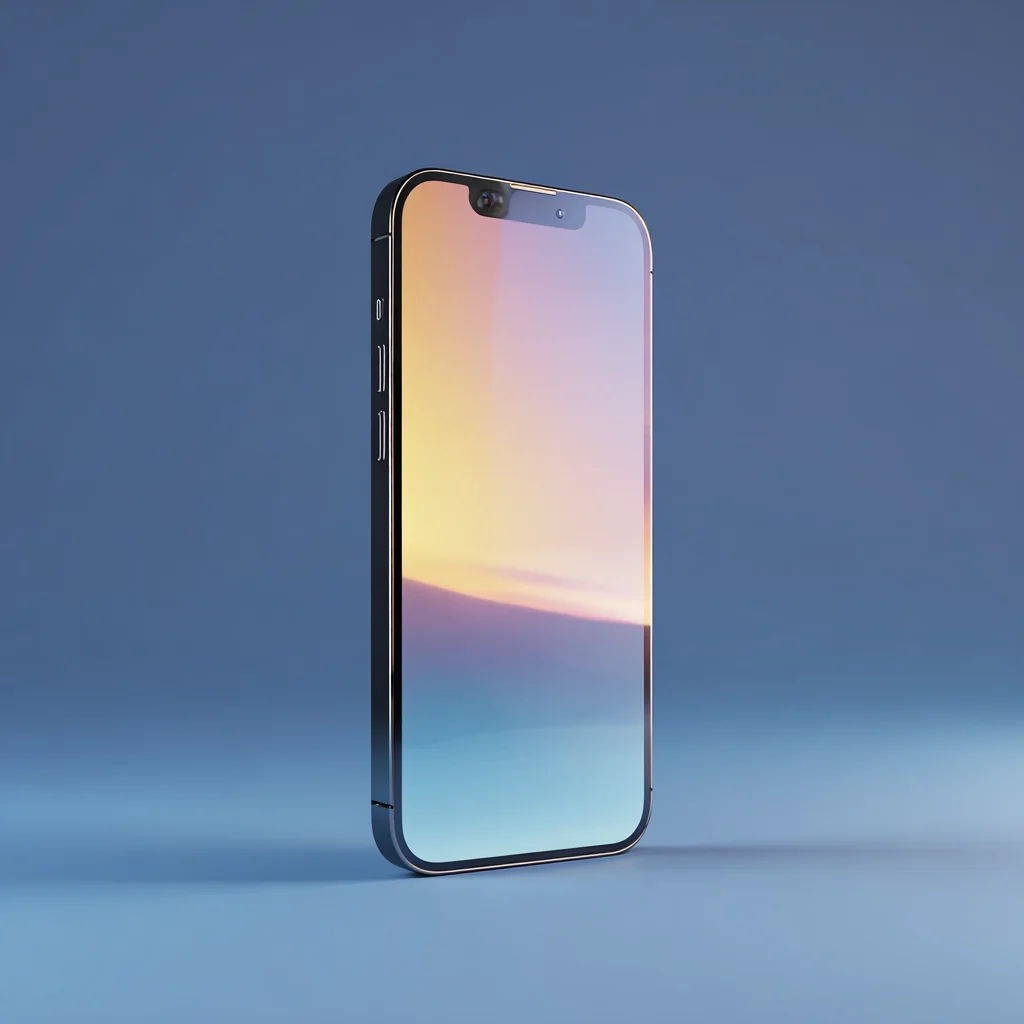
Apple's flagship smartphone line, known for its iOS operating system, premium build quality, and ecosystem integration.

VS
Chaos

Chaos

Disorder and unpredictability in systems.

Battle Analysis

Durability chaos Wins
30%
70%
iPhone Chaos

iPhone

Apple engineers have invested considerable resources into iPhone durability, with the latest models featuring Ceramic Shield glass claimed to offer four times better drop performance than previous generations. The aluminium frame resists minor impacts, and water resistance ratings of IP68 permit submersion to six metres for thirty minutes. These specifications represent genuine engineering achievement.

However, empirical observation suggests these protections prove insufficient against determined chaos. The average iPhone screen cracks within 3.2 months of purchase according to insurance data. Planned obsolescence ensures software support terminates after five to seven years, rendering functional hardware progressively less useful.

Chaos

Chaos demonstrates durability of an entirely different order. The Second Law of Thermodynamics ensures that entropy—the mathematical expression of chaos—increases inexorably throughout the universe. This principle has operated unchanged for approximately 13.8 billion years and shows no indication of weakening.

Indeed, chaos becomes more durable over time rather than less. As organised systems degrade, chaos accumulates. The iPhone currently in your pocket is, at this very moment, succumbing to chaos at the atomic level, its battery chemistry degrading, its components oxidising, its software developing incompatibilities with newly updated applications.

VERDICT

Entropy is guaranteed by fundamental physics; iPhone durability is guaranteed by a warranty that expires
Adaptability chaos Wins
30%
70%
iPhone Chaos

iPhone

Apple releases new iPhone models annually, each iteration adapting to contemporary technological standards and consumer expectations. The transition from 3G to 5G connectivity, the integration of facial recognition, and the expansion of camera capabilities demonstrate continuous adaptation. Software updates allow existing devices to acquire new features, extending relevance beyond initial specifications.

Yet this adaptability operates within strict parameters. The iPhone cannot adapt to environments lacking electrical power, telecommunications infrastructure, or compatible accessories. Its adaptation requires the coordinated effort of thousands of engineers and billions in research investment. When faced with truly novel challenges, the iPhone awaits instruction from Cupertino.

Chaos

Chaos adapts instantaneously because chaos is adaptation. When any system attempts to impose order, chaos immediately identifies and exploits weaknesses. The very concept of a software bug—unintended behaviour emerging from complex code—represents chaos's infiltration of supposedly ordered systems. No firewall prevents this adaptation; no security patch permanently resolves it.

Chaos adapted to the creation of the universe itself, finding expression in quantum uncertainty before atoms had formed. It adapted to the emergence of life by introducing mutation. It adapted to human civilisation by manifesting as economics, weather, and the inexplicable popularity of certain social media trends.

VERDICT

True adaptability requires no engineering team; chaos adapts by definition to any attempt at order
Daily utility iphone Wins
70%
30%
iPhone Chaos

iPhone

The iPhone's daily utility represents perhaps humanity's most concentrated achievement in practical convenience. A single device replaces the camera, telephone, calculator, torch, calendar, compass, and approximately 2.2 million available applications. The average user unlocks their iPhone 150 times daily, suggesting a utility so profound it borders on dependency.

Communication, navigation, commerce, entertainment, and professional productivity all channel through this singular device. The iPhone has eliminated the need for physical maps, dedicated music players, pocket watches, and meaningful face-to-face conversation during meals.

Chaos

Chaos provides utility of a more fundamental nature. Without chaos, thermodynamic processes would cease, rendering life itself impossible. The random mutations that chaos introduces to genetic material drive evolution, producing every species including the humans who purchase iPhones. Weather patterns, essential for agriculture, depend upon chaotic atmospheric dynamics.

Moreover, chaos provides the utility of perspective. The knowledge that disorder will eventually claim all organised systems encourages humans to appreciate present moments, maintain insurance policies, and develop philosophical frameworks for accepting that which cannot be controlled. This represents utility not measured in screen time, but in existential completeness.

VERDICT

The iPhone's practical daily applications remain more immediately accessible than chaos's cosmic contributions
Stress impact iphone Wins
70%
30%
iPhone Chaos

iPhone

Research indicates that smartphones generate significant cortisol responses in users, with notification sounds triggering measurable stress hormones. The phenomenon of nomophobia—fear of being without one's mobile phone—affects an estimated 66% of smartphone users. Battery anxiety, the compulsion to check notifications, and the psychological weight of constant connectivity all contribute to elevated baseline stress.

Paradoxically, the iPhone also provides stress relief through entertainment, social connection, and access to meditation applications. This creates a complex relationship wherein the source of stress also provides temporary respite from it, a pattern familiar to addiction specialists.

Chaos

Chaos's relationship with stress proves equally complex but operates on grander scales. The awareness of universal entropy and the inevitability of disorder produces existential anxiety in philosophically inclined individuals. The unpredictability of chaotic systems—from stock markets to health outcomes—generates chronic uncertainty that permeates modern existence.

However, acceptance of chaos has long been recognised as a pathway to psychological peace. Stoic philosophy, Buddhist practice, and cognitive behavioural therapy all incorporate recognition of that which cannot be controlled. Surrendering to chaos, paradoxically, may reduce stress more effectively than any smartphone application promising mindfulness.

VERDICT

The iPhone's stress impact is quantifiable and potentially manageable; chaos's existential weight defies measurement
Global recognition chaos Wins
30%
70%
iPhone Chaos

iPhone

The iPhone commands recognition across 195 countries, with the distinctive silhouette and bitten apple logo achieving near-universal identification. Market research indicates that 97% of global consumers can identify an iPhone on sight, a penetration rate exceeding that of any national flag. The device has appeared in over 4,000 films and television programmes since 2007, becoming visual shorthand for modernity itself.

Yet this recognition remains fundamentally dependent upon organised human society. In regions without electrical infrastructure, the iPhone's recognition factor drops precipitously, though the device retains value as a surprisingly effective small mirror.

Chaos

Chaos achieves recognition through an altogether different mechanism: it requires no recognition because it simply is. Every culture throughout human history has developed terminology for disorder, from the Greek khaos to the Egyptian concept of Isfet. Chaos appears in 100% of mythological traditions as either the origin or the enemy of creation.

More significantly, chaos operates whether recognised or not. The butterfly effect, the decay of organic matter, the unpredictable nature of traffic patterns—all function independently of human acknowledgment. One cannot opt out of chaos, nor does it require an Apple ID to access its features.

VERDICT

Chaos transcends the requirement for recognition entirely, operating as universal constant rather than marketed product
👑

The Winner Is

Chaos

42 - 58

The evidence compels a conclusion both humbling and inevitable: Chaos prevails with a score of 58 to 42. This result should surprise no one familiar with thermodynamics, philosophy, or the experience of watching an iPhone battery indicator descend whilst searching for a charging cable. The iPhone represents humanity's noblest attempt to impose order upon existence, and it succeeds remarkably well—within its domain.

Yet that domain exists entirely within chaos's territory. The iPhone is manufactured from materials produced by chaotic geological processes, operates according to quantum mechanics riddled with fundamental uncertainty, and will ultimately succumb to the entropy it temporarily delays. The device does not defeat chaos; it negotiates a brief, fragile peace with it.

This is not defeat for the iPhone. It is merely accurate categorisation. The iPhone wins where it matters to human daily life. Chaos wins where it matters to reality.

iPhone
42%
Chaos
58%

Share this battle

More Comparisons