Topic Battle

Where Everything Fights Everything

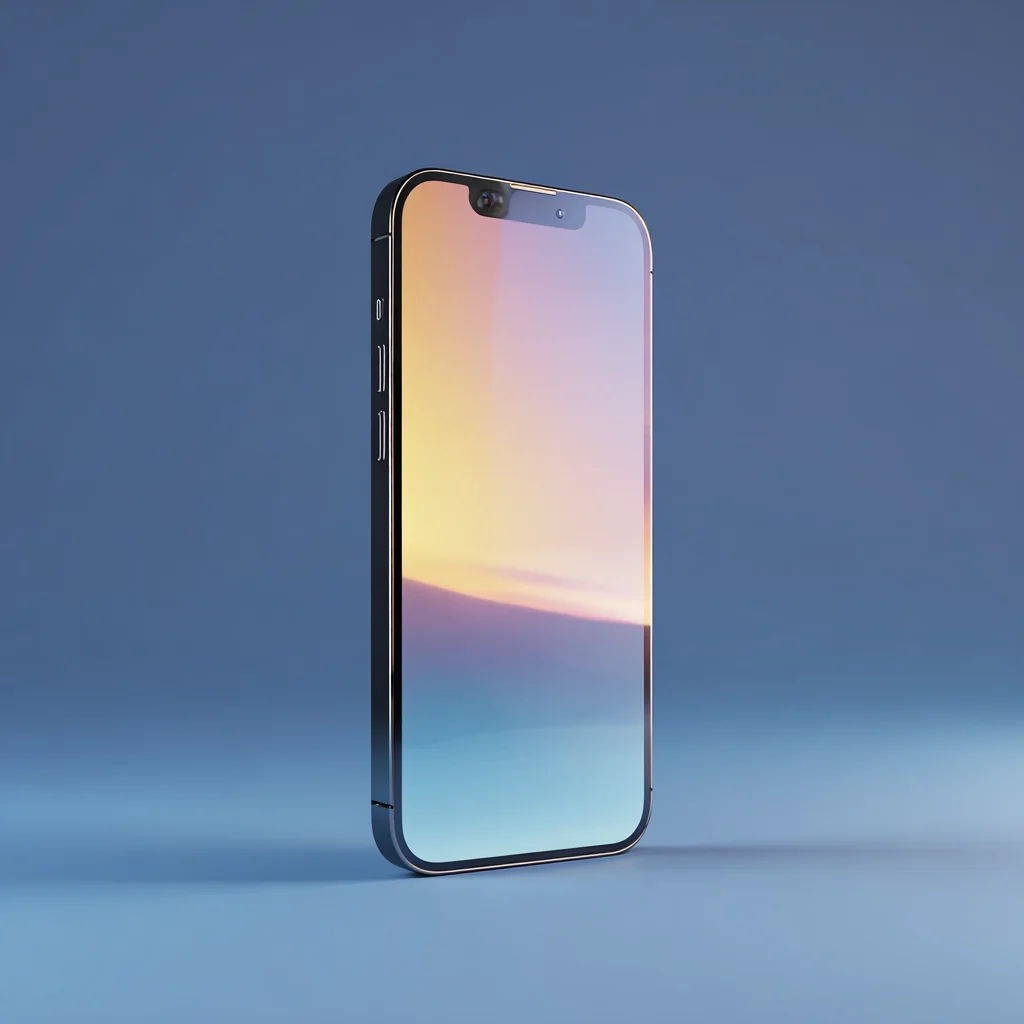
iPhone

iPhone

Apple's flagship smartphone line, known for its iOS operating system, premium build quality, and ecosystem integration.

VS
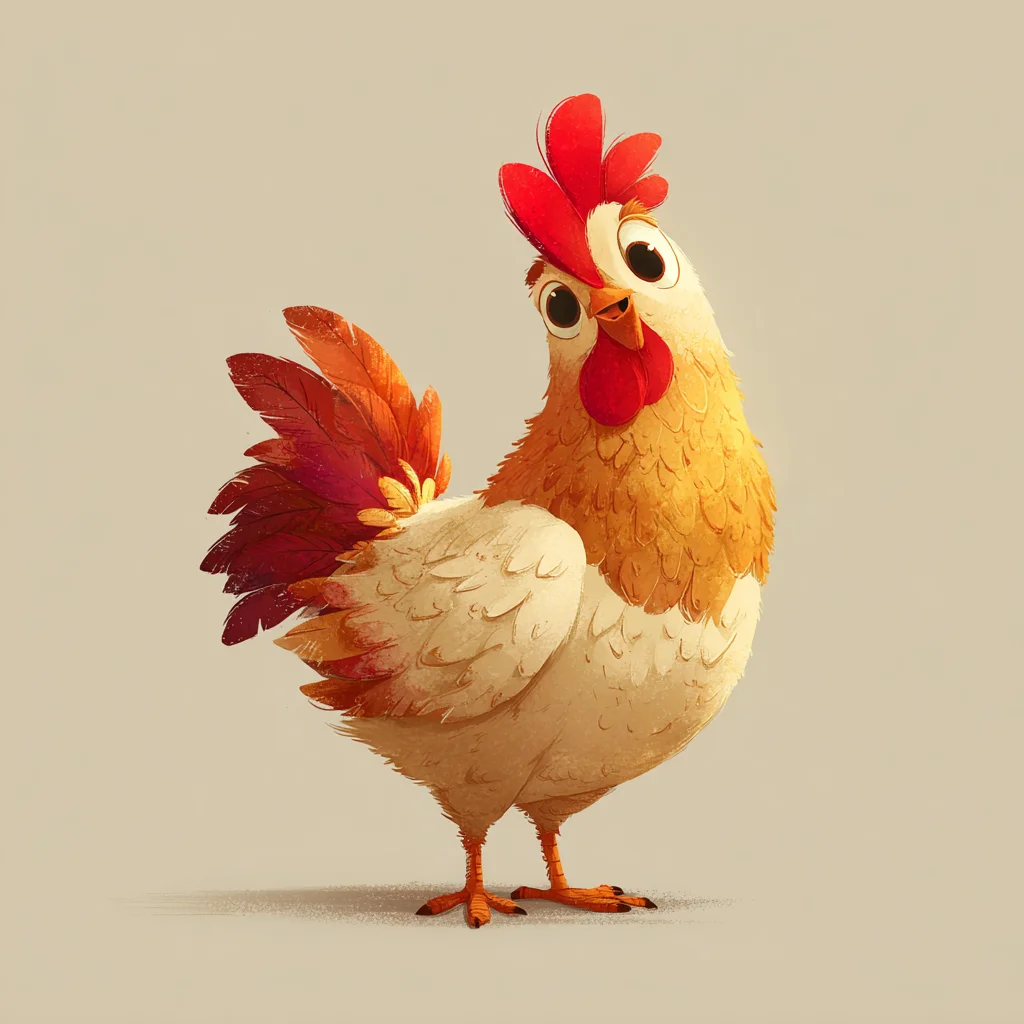
Chicken

Chicken

A domesticated fowl, a subspecies of the red junglefowl. One of the most common and widespread domestic animals.

The Matchup

The comparison between the iPhone and the chicken represents one of the more consequential evaluations of our time, pitting a flagship consumer electronics device against a species that has sustained human civilization for over 8,000 years.

The iPhone, introduced by Apple Inc. in 2007, has become synonymous with mobile computing, representing the pinnacle of silicon engineering and industrial design. With over 2.3 billion active devices worldwide, it commands significant market presence and cultural influence.

The chicken, Gallus gallus domesticus, predates the iPhone by approximately eight millennia. Domesticated from the red junglefowl in Southeast Asia, this species now numbers over 33 billion individuals globally, making it the most numerous bird on Earth and one of the most successful biological entities in evolutionary history. Both contenders now compete for resources, attention, and the distinction of providing greater value to human existence.

Battle Analysis

Speed iPhone Wins
70%
30%
iPhone Chicken

iPhone

The iPhone processes computational tasks at remarkable velocities. The A17 Pro chip executes up to 17 trillion operations per second through its neural engine, while the six-core CPU achieves clock speeds exceeding 3.78 GHz.

Data transmission occurs at speeds up to 5G capabilities of 4.5 Gbps under optimal network conditions. Application launch times average under 800 milliseconds for optimized software. The device can calculate complex mathematical equations in nanoseconds and transmit information globally within seconds.

Chicken

The chicken achieves a maximum running speed of 9 mph across flat terrain, with sustained velocities of approximately 6 mph during extended locomotion. Flight capability exists but remains limited to short bursts covering 10-15 feet horizontally.

Egg production occurs at a rate of approximately one egg every 24-26 hours during peak laying periods. Digestive processing of feed to energy conversion operates within a 4-6 hour cycle. While objectively slower than electronic computation, the chicken maintains consistent biological processing without requiring software updates or network connectivity.

VERDICT

In raw computational and data transmission metrics, the iPhone achieves velocities that the chicken cannot approach through biological means. The seventeen trillion operations per second represents a performance differential measured in orders of magnitude.

However, it should be noted that the chicken's speed capabilities serve its actual requirements with complete adequacy. The species did not evolve to compete with silicon processors. Nevertheless, when measuring speed as a standalone metric, the iPhone's decisive advantage cannot be disputed.

Durability Chicken Wins
30%
70%
iPhone Chicken

iPhone

The iPhone demonstrates a functional lifespan of 4-6 years with proper maintenance, though Apple's software support typically extends to 5-6 years of operating system updates. Physical durability has improved with Ceramic Shield glass rated at 4x better drop performance than previous generations.

Battery capacity degrades to approximately 80% of original capacity after 500 complete charge cycles. The device remains vulnerable to water damage beyond IP68 ratings, screen fracture from impacts, and complete failure from thermal exposure exceeding 45 degrees Celsius. Repair costs for major components often approach replacement value.

Chicken

A chicken maintained under proper conditions achieves a natural lifespan of 5-10 years, with documented cases of individuals surviving beyond 16 years. Heritage breeds typically outlast commercial production varieties by significant margins.

The species possesses biological self-repair capabilities unavailable to manufactured devices. Minor injuries heal without intervention, feathers regenerate seasonally, and the immune system actively combats pathogens. The chicken requires no software updates, battery replacements, or authorized service providers. Upon end of life, the organism biodegrades completely without specialized disposal requirements.

VERDICT

Durability assessment reveals fundamental advantages for biological systems over manufactured electronics. The chicken's self-repair capabilities represent functionality that no consumer electronics device can replicate at any price point.

While both entities demonstrate comparable lifespans under optimal conditions, the chicken's autonomous maintenance and zero-cost repair model provides superior long-term value. The iPhone requires external intervention and significant expense to address degradation, while the chicken manages these challenges through evolved biological processes requiring only basic inputs of food and water.

Versatility Chicken Wins
30%
70%
iPhone Chicken

iPhone

The iPhone serves as telephone, camera, computer, navigation device, entertainment system, fitness tracker, and payment terminal within a single 206-gram package. The App Store provides access to over 1.8 million applications extending functionality across virtually every domain of human activity.

The device enables global communication, document creation, video production, music composition, and complex data analysis. Third-party accessories further expand capabilities into medical monitoring, gaming, professional photography, and countless specialized applications.

Chicken

The chicken provides protein production through both egg and meat output, generating approximately 300 eggs annually per productive hen and 4-6 pounds of meat per broiler. Beyond nutrition, chickens deliver pest control services, consuming up to 80 ticks and numerous insects daily.

Additional functions include fertilizer production at rates of 1 cubic foot of compost material annually, companionship and emotional support, educational value for children, alarm services through crowing behavior, and land clearing capabilities through natural foraging. The chicken has served human civilization across agricultural, religious, sporting, and cultural contexts for millennia.

VERDICT

While the iPhone excels in digital versatility, the chicken provides outputs that address fundamental human survival requirements. The iPhone cannot produce food, regardless of installed applications.

The chicken's versatility operates across biological necessity categories: nutrition, pest management, soil enrichment, and sustainable protein production. These capabilities have no technological equivalent. An iPhone with a dead battery provides zero functionality, while a chicken continues delivering value through multiple output streams without electrical infrastructure.

Affordability Chicken Wins
30%
70%
iPhone Chicken

iPhone

Current iPhone models range from $799 to $1,599 for initial acquisition, with the Pro Max configuration exceeding the upper threshold. Total cost of ownership over a five-year period, including cases, chargers, repairs, and service plans, typically reaches $2,500-4,000.

Monthly service costs for cellular connectivity average $70-100 in major markets. AppleCare+ protection adds $199-269 depending on model. The device represents a significant financial commitment requiring regular replacement to maintain functionality as software requirements evolve.

Chicken

A laying hen costs approximately $15-30 for common breeds, with heritage varieties commanding prices up to $50. Annual feed costs average $100-150 per bird, representing total cost of ownership under $200 for the first year.

Return on investment begins immediately through egg production valued at $3-6 per dozen at retail prices. A productive hen generating 280 eggs annually provides approximately $70-140 in egg value, potentially achieving break-even within 18-24 months while continuing to produce for 4-6 additional years. The chicken offers positive return on investment, a financial outcome the iPhone cannot replicate.

VERDICT

The affordability comparison yields a mathematically decisive result. The iPhone represents pure expense with zero financial return, while the chicken functions as a productive asset generating ongoing value.

Over a five-year period, iPhone ownership costs approach $4,000 with $0 return. Chicken ownership over the same period costs approximately $600-800 while generating $350-700 in egg production value, plus fertilizer and pest control services. From a pure economic standpoint, the chicken offers superior financial performance by every relevant metric.

Sustainability Chicken Wins
30%
70%
iPhone Chicken

iPhone

iPhone manufacturing requires lithium, cobalt, and rare earth elements extracted through mining operations with documented environmental impact. Production generates approximately 70 kg of CO2 equivalent per device before reaching the consumer.

Electronic waste from smartphones represents a growing environmental challenge, with precious metal recovery rates remaining below optimal levels. Apple has implemented recycling programs and renewable energy commitments, but the fundamental model requires continuous extraction of finite resources and complex global supply chains.

Chicken

The chicken operates on a fully renewable biological model. Energy derives entirely from plant matter, which itself derives from solar radiation through photosynthesis. The entire system runs on sunlight converted through agricultural intermediaries.

Waste products serve as high-quality fertilizer, returning nutrients to agricultural systems. Reproduction is carbon-neutral and requires no industrial inputs. End-of-life processing occurs through natural decomposition or consumption, with zero persistent waste. The chicken has maintained this sustainable operational model for approximately 8,000 years of domestication and millions of years of prior evolution.

VERDICT

Sustainability metrics reveal an insurmountable advantage for biological systems. The iPhone, despite genuine corporate efforts toward environmental responsibility, fundamentally requires extraction of finite resources and generates persistent waste streams.

The chicken represents a genuine closed-loop system: solar energy to plants to chicken to eggs and meat to human nutrition, with waste returning as fertilizer for plant growth. This cycle has operated sustainably for millennia and can continue indefinitely. The iPhone's model cannot make equivalent claims regardless of recycling initiatives.

👑

The Winner Is

Chicken

35 - 65

This analysis concludes with a definitive 65-35 victory for the chicken across the evaluated metrics. The iPhone secures only the speed category, while the chicken demonstrates superiority in durability, versatility, sustainability, and affordability.

The iPhone represents remarkable human engineering achievement, concentrating extraordinary computational capability into a pocket-sized device. However, when evaluated against a species refined through millions of years of evolution and eight millennia of selective breeding, technological sophistication alone proves insufficient.

The chicken produces food, generates positive financial returns, operates sustainably on solar-derived energy, repairs itself without intervention, and will continue these functions long after any individual iPhone has become obsolete. These advantages reflect the accumulated wisdom of evolutionary optimization that no quarterly product cycle can replicate.

iPhone
35%
Chicken
65%

Share this battle

More Comparisons