Topic Battle

Where Everything Fights Everything

iPhone

iPhone

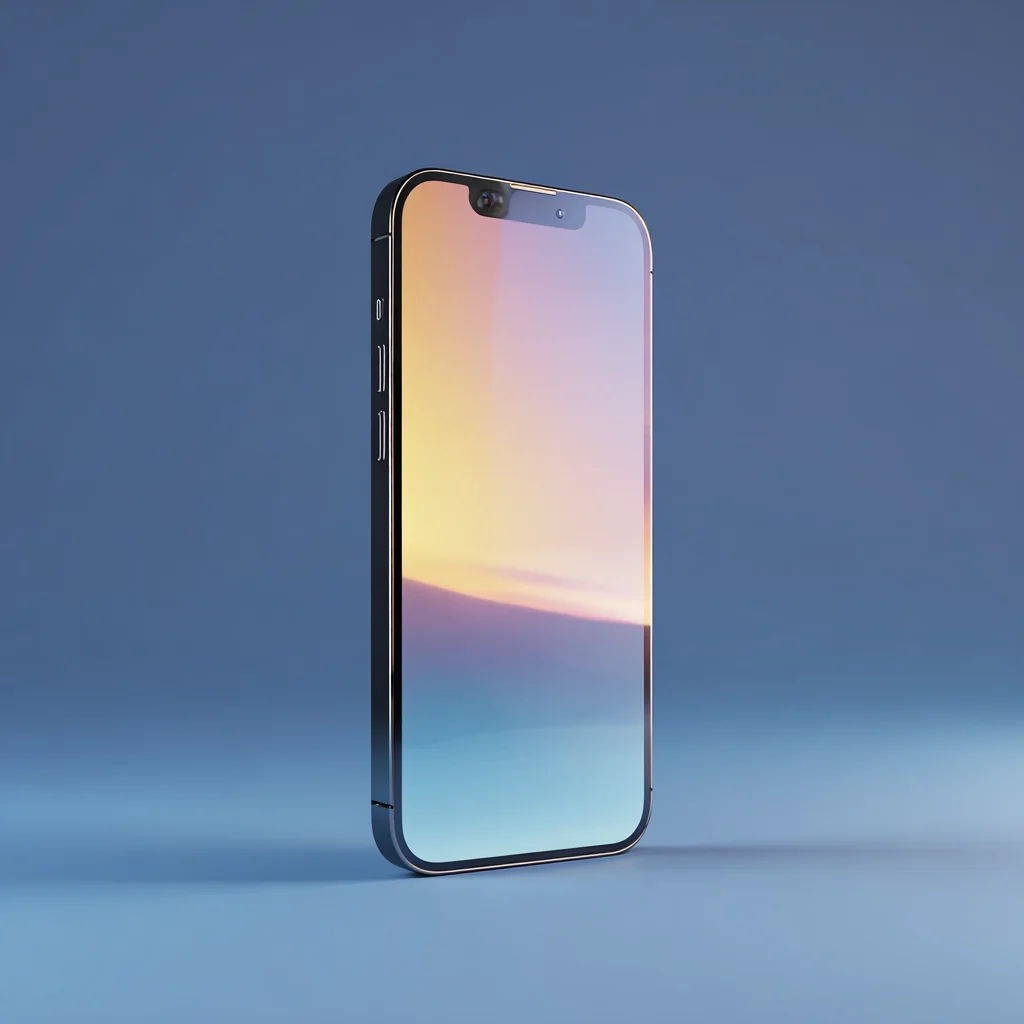
Apple's flagship smartphone line, known for its iOS operating system, premium build quality, and ecosystem integration.

VS
Electric Car

Electric Car

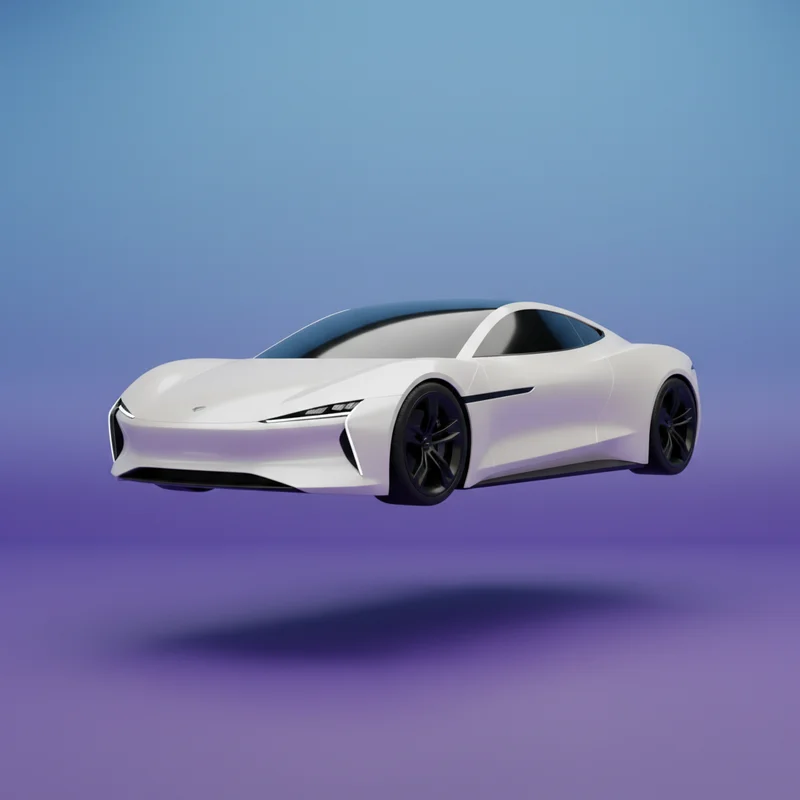
Zero-emission vehicle quietly revolutionizing transportation.

Battle Analysis

Reliability electric_car Wins
30%
70%
iPhone Electric Car

iPhone

The iPhone has established a reputation for consistent functionality that approaches the remarkable. Software updates arrive with clockwork regularity, and the device performs its appointed tasks with minimal deviation from expected behaviour. The failure rate remains below 3 percent within the first year of ownership, a figure that would satisfy quality control engineers in most industries.

However, the iPhone's reliability is increasingly compromised by its planned obsolescence. Battery degradation accelerates after approximately 500 charge cycles, and software updates progressively slow older devices to the point of frustration. The reliable device gradually becomes unreliably slow, encouraging the purchase of its replacement.

Electric Car

The Electric Car benefits from mechanical simplicity that would have astonished engineers of the combustion era. With approximately 20 moving parts compared to the internal combustion engine's 2,000, the opportunities for mechanical failure have been dramatically reduced. The electric motor itself requires virtually no maintenance and can operate for hundreds of thousands of miles without significant intervention.

The battery pack, however, introduces its own reliability concerns. Range degradation of 2-3 percent annually means the vehicle slowly loses its capacity to travel between charging stations. In extreme temperatures, available range can fluctuate by 30 percent or more, introducing an element of uncertainty absent from traditional vehicles with their reassuringly predictable fuel gauges.

VERDICT

The Electric Car's 20-part simplicity and decade-plus operational lifespan outweigh the iPhone's software-limited longevity.
Daily utility iphone Wins
70%
30%
iPhone Electric Car

iPhone

The iPhone has achieved what few technologies in human history have managed: constant physical contact with its user. Research indicates the average human touches their iPhone approximately 2,617 times daily, a figure that would have seemed pathological merely two decades ago but now represents baseline societal function.

From the moment of waking to the final scroll before unconsciousness, the iPhone serves as alarm clock, morning news delivery system, navigation device, payment method, and primary means of avoiding eye contact with strangers. Its utility is so comprehensive that many users report experiencing phantom vibrations in its absence, a condition scientists have termed ringxiety.

Electric Car

The Electric Car serves its utility in more concentrated bursts, typically during the commute hours that bookend the modern workday. Unlike its combustion predecessors, it requires no petrol station visits, offering instead the novel experience of refuelling whilst sleeping, a development that has eliminated one of humanity's few remaining excuses for being late.

However, its utility remains fundamentally limited to the act of transportation. One cannot use an Electric Car to check email during a business meeting, nor can it provide entertainment during those interminable waits at the dentist. The vehicle sits idle for approximately 95 percent of its existence, a statistic that would concern any efficiency expert.

VERDICT

The iPhone's round-the-clock utility and 2,617 daily interactions eclipse the Electric Car's transportation-only function.
Cost efficiency iphone Wins
70%
30%
iPhone Electric Car

iPhone

The flagship iPhone commands a price of approximately $1,199 USD at launch, a figure that has crept steadily upward with each generation despite the device's dimensions remaining largely constant. Over a typical two-year ownership period, additional costs for protective cases, chargers, and inevitable screen repairs bring the total investment to approximately $1,500.

Yet when calculated on a per-use basis, the mathematics shift dramatically. At 2,617 daily interactions over 730 days, the cost per touch approaches $0.0008, a figure that compares favourably to virtually any other consumer product. The iPhone's obsessive usage patterns paradoxically render it one of the most efficient purchases in the modern consumer's portfolio.

Electric Car

The Electric Car demands an initial investment ranging from $35,000 to $150,000 depending upon one's appetite for acceleration and interior appointments. This substantial outlay is offset by dramatically reduced fuel costs, with electricity costing approximately one-third the equivalent petrol expenditure per mile.

Maintenance costs similarly favour the Electric Car, which lacks the oil changes, transmission repairs, and exhaust system failures that plague its combustion relatives. Over a ten-year ownership period, total cost of ownership often approaches parity with comparable petrol vehicles, though the initial capital requirement remains a significant barrier for many households.

VERDICT

The iPhone's sub-penny cost per interaction and lower absolute price point deliver superior value despite shorter lifespan.
Environmental impact electric_car Wins
30%
70%
iPhone Electric Car

iPhone

The environmental ledger of the iPhone presents a complex tableau of resource extraction and electronic waste. Each device contains approximately 0.034 grams of gold, along with various rare earth elements sourced from mines of questionable ecological stewardship. The global fleet of iPhones now exceeds 2.2 billion units, representing a substantial investment in lithium and cobalt.

The company has made considerable efforts toward carbon neutrality, yet the fundamental business model depends upon users replacing their devices every two to three years. This cycle of planned obsolescence has created mountains of electronic waste, much of which ends its journey in processing facilities of the developing world.

Electric Car

The Electric Car positions itself as the conscientious choice for the environmentally anxious consumer. By eliminating tailpipe emissions, it transfers the carbon question from the vehicle itself to the power grid, a sleight of hand that works better in some regions than others. In areas powered primarily by coal, the environmental benefit approaches the theoretical.

The production of a single Electric Car battery requires mining approximately 25,000 pounds of brine for lithium extraction, along with substantial quantities of cobalt, nickel, and manganese. However, the vehicle's operational lifespan of 15-20 years and potential for battery recycling offer a more favourable long-term calculation than the iPhone's relentless upgrade cycle.

VERDICT

The Electric Car's longer operational lifespan and elimination of tailpipe emissions edge out the iPhone's perpetual replacement cycle.
Cultural significance iphone Wins
70%
30%
iPhone Electric Car

iPhone

The iPhone has transcended its function as a communication device to become a cultural signifier of remarkable potency. The choice between iPhone and Android has become, in certain circles, as revealing of personal values as political affiliation or dietary preferences. The device appears in virtually every photograph of modern life, often visible in the hands of photographed subjects themselves.

Steve Jobs' 2007 keynote presentation has achieved the status of sacred text among technology enthusiasts, replayed and analysed with the devotion once reserved for religious ceremonies. The iPhone has generated its own vocabulary, its own gestures, and its own social pathologies, reshaping human interaction in ways anthropologists will study for generations.

Electric Car

The Electric Car carries cultural weight of a different character, serving as a visible declaration of environmental consciousness. Ownership signals membership in a forward-thinking cohort, though critics note this virtue-signalling often occurs whilst seated in a vehicle that weighs three tonnes and costs more than many family homes.

The figure of Elon Musk has become inseparable from the Electric Car's cultural identity, for better and considerably worse. The vehicles have appeared in countless films and television programmes as shorthand for futurism, though their cultural penetration remains modest compared to the iPhone's total domination of the visual landscape.

VERDICT

The iPhone's complete infiltration of daily photography, language, and social behaviour represents unprecedented cultural penetration.
👑

The Winner Is

iPhone

52 - 48

After rigorous analysis across five dimensions of technological merit, the iPhone emerges victorious with a score of 52 to 48. This narrow margin reflects the genuine difficulty of comparing these two foundational technologies of contemporary existence, each essential in its own domain yet operating in fundamentally different spheres of human activity.

The iPhone's triumph rests upon its unparalleled integration into the fabric of daily life. No other consumer product commands such constant attention, such intimate physical proximity, or such comprehensive control over human behaviour. The Electric Car, whilst admirable in its environmental aspirations and mechanical elegance, remains ultimately a vehicle, an object that transports bodies from one location to another rather than commanding the totality of human consciousness.

Both technologies share a common dependency upon lithium batteries and a common vision of a future freed from fossil fuels. In this sense, they are siblings rather than rivals, united in their pursuit of a cleaner, more connected world, one charging cable at a time.

iPhone
52%
Electric Car
48%

Share this battle

More Comparisons