
Topic Battle

Where Everything Fights Everything

iPhone

iPhone

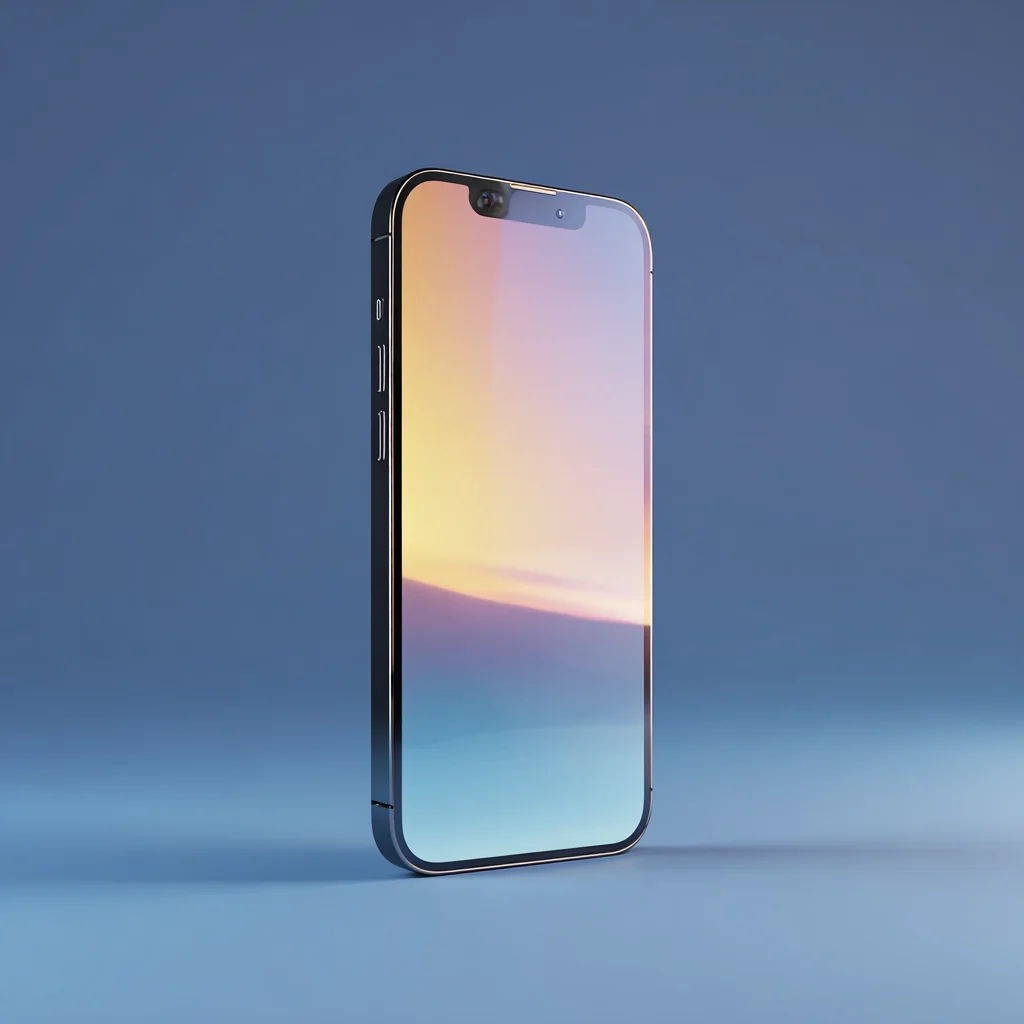
Apple's flagship smartphone line, known for its iOS operating system, premium build quality, and ecosystem integration.

VS
Football

Football

Global sport known as soccer in some countries.

Battle Analysis

Durability football Wins
30%
70%
iPhone Football

iPhone

The iPhone presents a paradox of engineering excellence and structural fragility. Constructed from aerospace-grade aluminium and Ceramic Shield glass rated at four times greater drop resistance than previous generations, the device nonetheless succumbs to modest impacts with distressing regularity. Industry data suggests that approximately 25% of iPhone users are currently operating devices with cracked screens.

The average iPhone lifespan, before obsolescence or catastrophic failure, extends to approximately four to five years. Apple's planned software limitations and battery degradation protocols ensure that even the most carefully protected device will eventually require replacement. The iPhone, for all its sophistication, remains fundamentally disposable.

Football

The football demonstrates remarkable resilience under sustained assault. A regulation FIFA-approved ball is designed to withstand pressures of 0.6 to 1.1 atmospheres and impacts from professional footballers generating forces exceeding 2,500 Newtons. A quality football can endure thousands of kicks, headers, and goal-line clearances before requiring replacement.

The simplicity of the football's construction contributes to its longevity. With no circuit boards to corrode, no batteries to degrade, and no screens to shatter, the football requires only occasional reinflation to maintain optimal performance. Archaeological evidence suggests that leather balls from ancient civilisations remained functional for decades under proper storage conditions.

VERDICT

The football's simple construction enables years of robust service, whilst the iPhone's complexity introduces multiple failure points and planned obsolescence.
Daily utility iphone Wins
70%
30%
iPhone Football

iPhone

The iPhone has embedded itself into the daily routines of over one billion active users with remarkable thoroughness. The average user unlocks their device approximately 80 times per day, performing tasks ranging from essential communication to the documentation of meals for public consumption. The device serves as alarm clock, camera, navigation system, entertainment centre, and increasingly, digital wallet.

Studies indicate that modern iPhone users experience measurable anxiety when separated from their devices for periods exceeding ten minutes. The object has achieved a level of daily utility that borders on biological dependency, with users reporting phantom vibrations and compulsive checking behaviours that would concern any behavioural psychologist.

Football

The football's daily utility presents a more specialised profile. For the 500 million individuals who engage in regular football activities, the object provides physical exercise, social bonding, and emotional regulation. Professional footballers interact with the spherical object for approximately three to four hours daily, developing intimate relationships with its pressure, bounce, and aerodynamic properties.

For the general population, however, the football remains a sporadic presence. The average fan may not physically touch a football for weeks or months, instead experiencing the object vicariously through broadcast media. This creates what sociologists term a parasocial utility relationship, where utility is derived through observation rather than direct interaction.

VERDICT

The iPhone integrates into daily life with near-continuous utility, whilst the football serves a more periodic, specialised function for most humans.
Global recognition football Wins
30%
70%
iPhone Football

iPhone

The iPhone has achieved what marketing scholars term universal brand consciousness. In developed nations, the distinctive silhouette of Apple's flagship device is recognised by an estimated 97% of the population. The device has penetrated over 150 countries, with the glowing Apple logo serving as a status symbol from Tokyo to Tallinn.

However, recognition patterns reveal geographic limitations. In regions where average monthly incomes fall below the device's retail price, brand awareness drops significantly. The iPhone remains primarily a phenomenon of the global middle and upper classes, creating what economists term an aspirational awareness gap.

Football

The football transcends all demographic boundaries with remarkable efficiency. From the favelas of Brazil to the frozen pitches of Iceland, from the dusty streets of Lagos to the manicured lawns of Surrey, the spherical object requires no translation, no instruction manual, and no electricity. An estimated 4 billion humans can identify a football on sight, making it one of the most universally recognised objects in human history.

The FIFA World Cup reaches viewership numbers that dwarf any product launch, with the 2022 final attracting over 1.5 billion viewers. The football has achieved what no technology company has managed: true global penetration regardless of economic circumstance.

VERDICT

The football achieves universal recognition across all economic strata, whilst the iPhone remains predominantly a developed-world phenomenon.
Entertainment value football Wins
30%
70%
iPhone Football

iPhone

The iPhone provides access to an essentially infinite library of entertainment content. The device can stream over 100 million songs, millions of hours of video content, and approximately 2 million applications designed specifically for amusement. The entertainment is personalised, immediate, and available in virtually any location with cellular or wireless connectivity.

Yet critics note the solitary nature of iPhone entertainment. The device optimises for individual consumption, creating what cultural theorists describe as isolated engagement spheres. Entertainment is consumed rather than shared, experienced in parallel rather than communally. The iPhone entertains, but it entertains alone.

Football

The football generates entertainment through unpredictability and collective experience. A single match can produce moments of transcendent joy, crushing disappointment, and everything between, all witnessed simultaneously by millions. The entertainment value scales remarkably: a football provides equal amusement to three children in a park or 80,000 spectators in a purpose-built stadium.

The football's entertainment extends beyond the ninety-minute match. Fantasy leagues, transfer speculation, tactical analysis, and the endless debate over historical greatness provide year-round engagement. The football industry generates over $28 billion annually in entertainment value, a figure that continues its exponential growth trajectory.

VERDICT

The football creates shared emotional experiences at unprecedented scale, generating communal entertainment that the iPhone's solitary consumption model cannot replicate.
Environmental impact football Wins
30%
70%
iPhone Football

iPhone

The environmental footprint of an iPhone extends far beyond its compact physical dimensions. The manufacturing process for a single device generates approximately 70 kilograms of CO2 equivalent emissions. The extraction of rare earth elements required for the device's components involves significant ecological disruption in mining regions across China, Africa, and South America.

Apple has committed to carbon neutrality by 2030, investing heavily in renewable energy and recycled materials. However, the fundamental business model of annual device replacement ensures a continuous stream of electronic waste. An estimated 53 million tonnes of e-waste was generated globally in 2019, with smartphones representing a significant contribution to this mounting environmental challenge.

Football

The football's environmental impact varies considerably by construction type. Traditional leather balls carry the carbon footprint of cattle farming, whilst synthetic balls derive from petroleum-based polymers. A regulation football generates approximately 0.5 to 2 kilograms of CO2 during manufacture, a fraction of the iPhone's impact.

The longevity of footballs further reduces their environmental burden. A single ball may remain in active service for three to five years, compared to the iPhone's upgrade-driven lifecycle. The simplicity of the object enables localised manufacturing, reducing transportation emissions. However, the infrastructure required for professional football, including stadium construction and international travel, significantly expands the sport's overall environmental footprint.

VERDICT

The football's simpler manufacturing process and extended lifespan result in a substantially smaller direct environmental impact than the iPhone's complex, resource-intensive production.
👑

The Winner Is

Football

47 - 53

The final accounting reveals a narrow but decisive victory for the football, securing 53 points to the iPhone's 47. This margin reflects the football's advantages in universal accessibility, durability, communal entertainment, and environmental sustainability. The iPhone's dominance in daily utility, whilst significant, cannot overcome the accumulated weight of the football's broader appeal.

The iPhone represents the pinnacle of individual technological achievement, a device of extraordinary capability constrained by economic barriers and planned obsolescence. The football, by contrast, embodies democratic entertainment, requiring nothing more than an inflated sphere and the space to kick it. In the contest between complexity and simplicity, the ancient spherical form emerges victorious.

iPhone
47%
Football
53%

Share this battle

More Comparisons