
Topic Battle

Where Everything Fights Everything

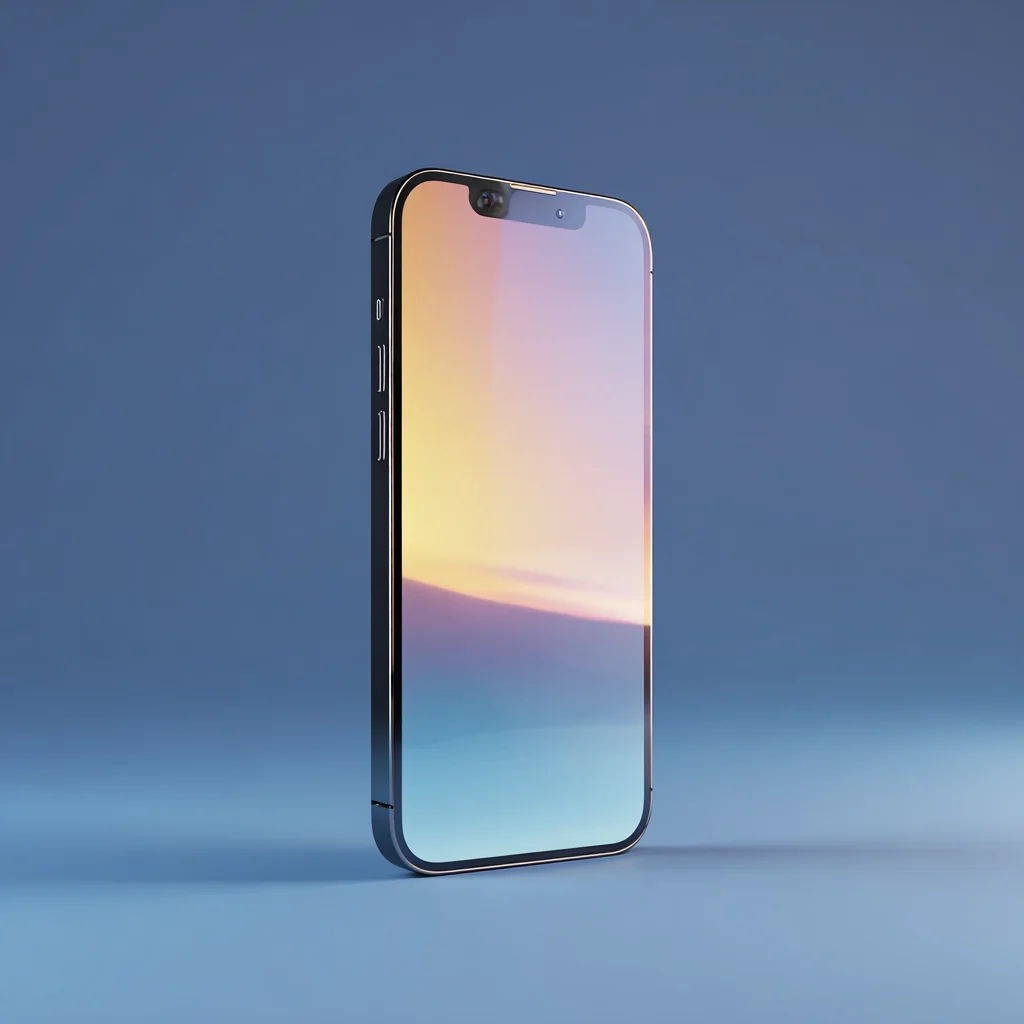
iPhone

iPhone

Apple's flagship smartphone line, known for its iOS operating system, premium build quality, and ecosystem integration.

VS
Forest

Forest

Tree-dominated ecosystem and planetary lungs.

Battle Analysis

Longevity forest Wins
30%
70%
iPhone Forest

iPhone

Apple supports iPhone models with software updates for approximately 5-6 years following release, after which devices enter a twilight zone of diminishing functionality. Hardware components, particularly batteries, degrade according to predictable lithium-ion decay curves, typically retaining 80% capacity after 500 charge cycles.

The oldest functional iPhone, released in 2007, is now a collector's item rather than a viable communication device. Planned obsolescence ensures that most devices are replaced within 3-4 years, generating a perpetual cycle of consumption and disposal that defines the consumer electronics industry.

Forest

Forests operate on temporal scales that reduce human lifespans to statistical noise. The oldest living tree, a Great Basin bristlecone pine named Methuselah, has survived for over 4,850 years, predating the Egyptian pyramids by several centuries. Forest ecosystems themselves have persisted through five mass extinction events.

The concept of ecological succession ensures forests regenerate even after catastrophic disturbance, given sufficient time and absence of human interference. A clear-cut woodland can return to mature forest within 100-200 years. The forest's upgrade cycle operates on millennia rather than fiscal quarters.

VERDICT

Individual trees outlive iPhones by factors of thousands; forest ecosystems have persisted for hundreds of millions of years.
Adaptability forest Wins
30%
70%
iPhone Forest

iPhone

Apple releases major iOS updates annually, with incremental improvements delivered throughout each year. The device adapts to user behaviour through machine learning algorithms that optimise battery usage, suggest applications, and predict typing patterns. Third-party developers create applications addressing emerging needs with remarkable speed.

Yet this adaptability operates within strict parameters defined by Apple's ecosystem philosophy. The iPhone cannot fundamentally alter its hardware configuration, add new sensors without factory intervention, or operate independently of Apple's infrastructure. Adaptability is software-constrained by design.

Forest

Forests demonstrate adaptability across timescales from seasonal to evolutionary. Trees alter leaf chemistry in response to herbivore attacks, releasing volatile compounds that attract predators of the attacking insects within hours of damage. Root systems redirect growth towards water sources detected through hydrotropism.

Over longer periods, forest composition shifts in response to climate change, with species ranges migrating poleward at rates of approximately 16.9 kilometres per decade. This adaptability has enabled forests to survive ice ages, meteor impacts, and volcanic winters. No operating system update can match 350 million years of evolutionary refinement.

VERDICT

Forests adapt across every timescale through distributed biological intelligence refined over geological epochs.
Daily utility iphone Wins
70%
30%
iPhone Forest

iPhone

The modern iPhone serves as navigation system, communication device, entertainment centre, camera, calendar, and pocket computer simultaneously. The average user unlocks their device 150 times daily, spending approximately 4 hours engaged with its luminous display. The App Store provides access to over 2 million applications serving every conceivable human need and several inconceivable ones.

From banking to birdwatching, recipe retrieval to relationship termination, the iPhone has inserted itself into virtually every aspect of contemporary existence. Its haptic feedback and neural engine process requests with microsecond precision, delivering dopamine-triggering notifications throughout waking hours.

Forest

The forest's daily utility manifests in less immediately apparent but fundamentally more consequential ways. Every breath a human takes contains oxygen molecules that passed through photosynthetic organisms, many of them arboreal. The timber industry provides materials for construction, furniture, and paper products used by billions of people daily.

Forests regulate local temperature, reducing urban heat island effects by up to 8 degrees Celsius in adjacent areas. They filter groundwater, provide habitat for pollinator species essential to agriculture, and offer recreational spaces proven to reduce cortisol levels by 16% after just 15 minutes of exposure. This service operates without requiring Terms and Conditions acceptance.

VERDICT

For immediate, conscious daily utility, the iPhone's omnipresence in modern routines edges out the forest's essential but background contributions.
Global recognition iphone Wins
70%
30%
iPhone Forest

iPhone

The iPhone commands recognition across every continent and demographic category. The bitten apple logo registers instantly in the minds of over 95% of global consumers, representing innovation, status, and technological sophistication. Apple's brand value exceeds $880 billion, making it the most valuable corporate identity on Earth.

Cultural penetration extends beyond mere recognition; the iPhone has reshaped human behaviour, social interaction, and cognitive patterns. The device appears in films, literature, and art as a symbol of contemporary existence. Queue formations outside Apple stores prior to product launches have themselves become cultural phenomena.

Forest

Forests pervade human culture from the earliest cave paintings to contemporary environmental discourse. Every major religion incorporates forest imagery; the Buddha achieved enlightenment beneath a Ficus religiosa, whilst the Garden of Eden was itself an arboreal paradise. The concept of forests as places of mystery, danger, and transformation recurs across all human storytelling traditions.

Contemporary recognition has shifted towards anxiety, as deforestation rates dominate environmental reporting. The Amazon rainforest, Sherwood Forest, and the Black Forest carry specific cultural weight. Yet unlike the iPhone, forests require no marketing budget to maintain awareness; their absence, rather than presence, now commands attention.

VERDICT

The iPhone's brand recognition is more uniform and commercially quantifiable, though forests occupy deeper cultural strata.
Environmental impact forest Wins
30%
70%
iPhone Forest

iPhone

The iPhone's environmental footprint presents a complex ledger of resource extraction and carbon emissions. Manufacturing a single device requires approximately 70 kilograms of raw materials, including rare earth elements mined from locations spanning the Democratic Republic of Congo to Inner Mongolia. The production process generates roughly 70 kg of CO2 equivalent per unit.

Apple has committed to carbon neutrality across its supply chain by 2030, yet the planned obsolescence inherent in consumer electronics ensures a perpetual cycle of production and disposal. Each year, approximately 150 million iPhones are sold, while electronic waste accumulates in landfills and informal recycling operations worldwide.

Forest

Forests function as Earth's primary carbon sequestration infrastructure, absorbing approximately 2.6 billion tonnes of CO2 annually. A single mature tree processes roughly 22 kilograms of carbon dioxide per year whilst releasing sufficient oxygen to support two human beings. The Amazon basin alone produces 20% of the world's oxygen.

Beyond atmospheric regulation, forests prevent soil erosion, regulate water cycles, and maintain biodiversity. The wood wide web of mycorrhizal networks beneath the forest floor facilitates nutrient sharing between trees across distances of hundreds of metres. This system has operated without software updates for millennia.

VERDICT

Forests actively remediate environmental damage whilst iPhones contribute to the very problems forests must address.
👑

The Winner Is

Forest

42 - 58

When the silicon settles and the chlorophyll clears, the forest emerges as the more formidable entity, securing victory with a score of 58 to 42. This outcome reflects not a rejection of technological achievement but rather a recognition of the profound asymmetry between these competitors.

The iPhone excels at tasks humans have created for themselves within the past two decades. The forest excels at tasks upon which all terrestrial life has depended for hundreds of millions of years. One provides convenience; the other provides the atmospheric conditions in which convenience becomes possible.

Both ecosystems demand our attention and resources. Yet whilst an iPhone can be replaced with a trip to the nearest retailer, a mature forest requires centuries of patient growth to restore. This fundamental irreversibility tips the scales decisively.

iPhone
42%
Forest
58%

Share this battle

More Comparisons