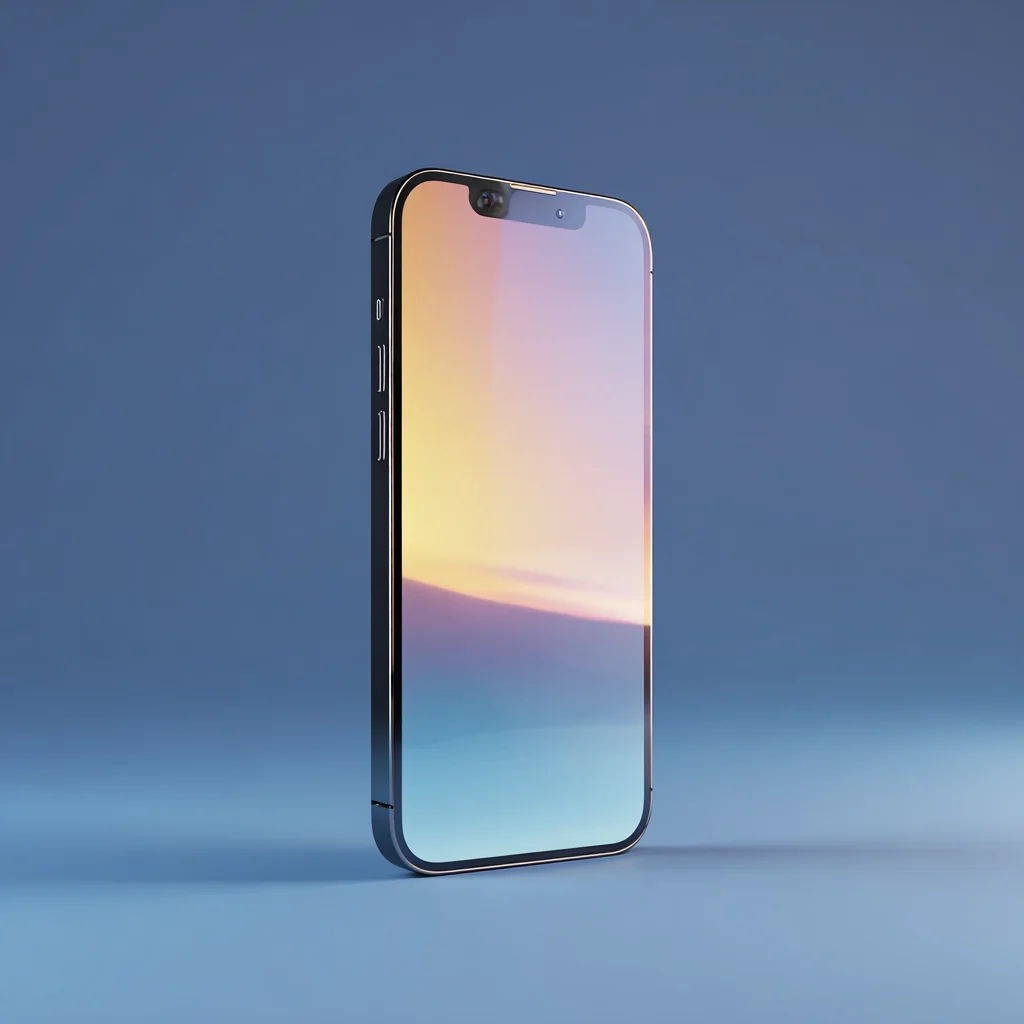

iPhone
The iPhone's power output manifests exclusively within computational domains. The A17 Pro bionic processor executes operations at frequencies exceeding 3.78 billion cycles per second, whilst the neural engine processes machine learning tasks at rates approaching 35 trillion operations per second. These figures represent genuine achievements in miniaturised processing capability that would have seemed preposterous to computer scientists of the mid-twentieth century.
Physical power output, however, presents a categorical absence. The iPhone generates no motive force whatsoever. Its maximum mechanical contribution consists of haptic feedback vibrations measured in fractions of a single watt. The device cannot pull a plough, cannot carry a rider, and cannot so much as relocate itself across a tabletop without external intervention from a user or the gentle assistance of gravity following an unfortunate placement decision.
Horse
The horse generates sustained mechanical output that defined the very unit of measurement applied to all subsequent engines. James Watt's calculation established one horsepower as 33,000 foot-pounds per minute, derived from observations of actual equine capability. Modern thoroughbreds produce approximately 15 horsepower during sustained gallop, with peak outputs during maximum exertion reaching considerably higher values.
This power translates directly into practical work capacity. A single draft horse can pull loads exceeding 8,000 pounds under appropriate conditions. The Clydesdale and Percheron breeds routinely demonstrate pulling capacities that would require substantial mechanical equipment to replicate. The horse's power output built civilisations, ploughed continents, and carried armies across empires for six millennia before petroleum alternatives emerged.