
Topic Battle

Where Everything Fights Everything

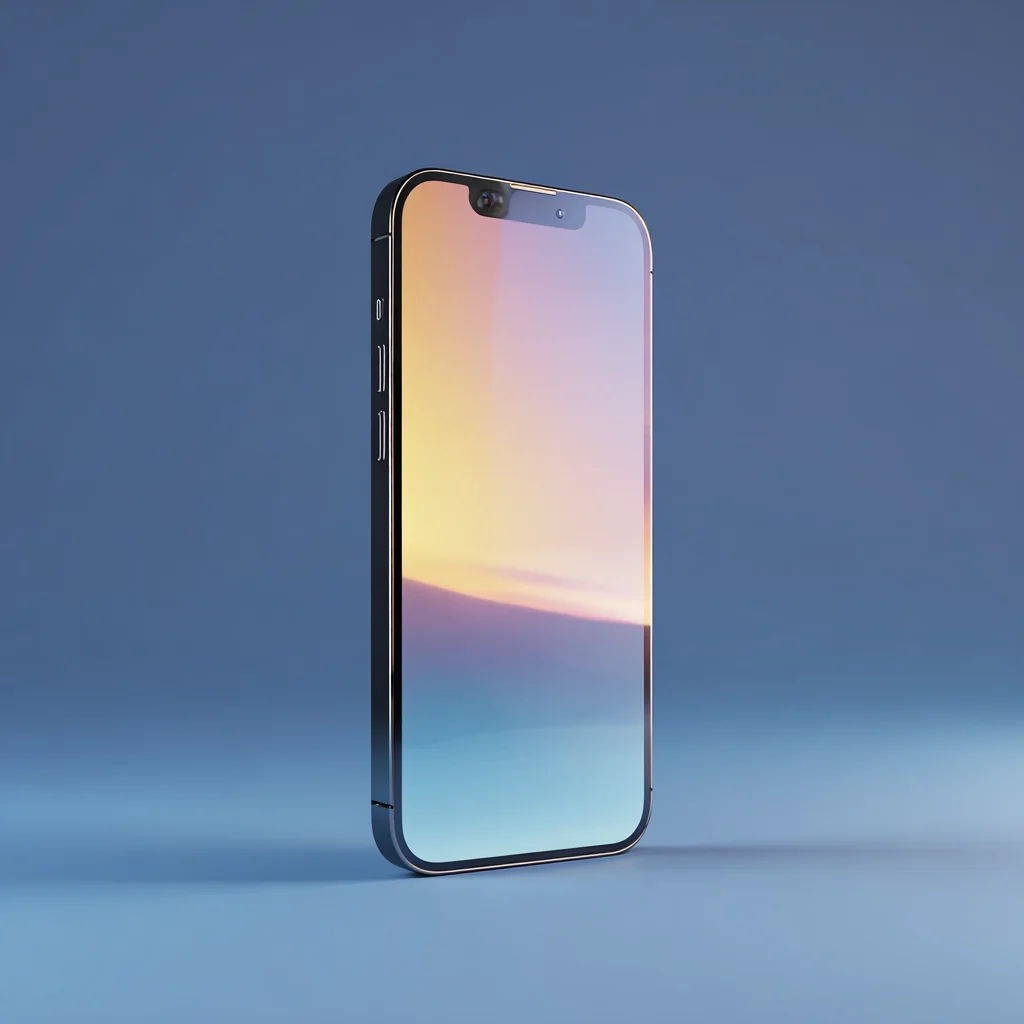
iPhone

iPhone

Apple's flagship smartphone line, known for its iOS operating system, premium build quality, and ecosystem integration.

VS
Ocean

Ocean

Vast body of saltwater covering 71% of Earth.

Battle Analysis

Size ocean Wins
30%
70%
iPhone Ocean

iPhone

The iPhone occupies a physical footprint of approximately 146.7 x 71.5 x 7.8 millimetres in its standard configuration, dimensions carefully optimised for single-handed operation and inadvertent toilet submersion. This compact form factor represents a triumph of miniaturisation, cramming billions of transistors into a space smaller than a modest sandwich.

The device's portability is its defining characteristic, enabling users to carry the entirety of human knowledge whilst simultaneously ignoring the physical world around them. However, this diminutive stature presents significant challenges when competing against entities measured in cubic kilometres.

Ocean

The Ocean commands a volume of approximately 1.335 billion cubic kilometres, a figure so vast it renders most comparative frameworks entirely meaningless. Were one to pour the Ocean into iPhone-shaped containers, the resulting stack would extend well beyond the orbit of Neptune, though the practical applications of such an endeavour remain unclear.

The average depth reaches 3,688 metres, with the Mariana Trench plunging to 10,994 metres below sea level. This vertical dimension alone exceeds the height at which most commercial aircraft operate, and contains pressure sufficient to transform any electronic device into a cautionary tale about waterproofing claims.

VERDICT

The Ocean's 1.335 billion cubic kilometres comprehensively outscales a device measuring 146.7 millimetres in its longest dimension.
Durability ocean Wins
30%
70%
iPhone Ocean

iPhone

The iPhone's durability has improved considerably since early models that shattered upon contact with surfaces as forgiving as carpet. Current iterations feature Ceramic Shield glass rated at four times the drop resistance of predecessors, though this metric assumes drops from pocket height rather than, say, orbital velocity.

The device maintains functionality for approximately 4-5 years before software updates render older hardware effectively obsolete. This planned lifecycle ensures a steady revenue stream for manufacturers whilst creating mounting piles of electronic waste in developing nations.

Ocean

The Ocean has demonstrated remarkable persistence over 3.8 billion years of continuous operation, surviving asteroid impacts, ice ages, and the emergence of industrial civilisation. Its durability stems from sheer volume rather than structural engineering, as water molecules themselves remain chemically indestructible under normal planetary conditions.

While human activities have degraded approximately 40% of marine ecosystems, the Ocean itself shows no signs of disappearing. If anything, rising sea levels suggest it may be expanding its territorial claims, a growth strategy that no technology company has yet replicated.

VERDICT

A 3.8 billion year operational history surpasses any warranty period Apple has yet offered.
Daily utility iphone Wins
70%
30%
iPhone Ocean

iPhone

The iPhone serves as the primary interface between modern humans and virtually every aspect of contemporary existence. Users rely upon it for communication, navigation, photography, banking, entertainment, and the increasingly common activity of documenting meals before consumption. The average user engages with their device approximately 2,617 times daily, according to studies that presumably did not include researchers with fulfilling personal relationships.

The device has absorbed functions previously requiring dozens of separate objects: cameras, maps, newspapers, alarm clocks, and the patience to wait for anything without distraction. This consolidation of utility represents an unprecedented concentration of practical dependency.

Ocean

The Ocean provides utility on a civilisational rather than individual scale, facilitating 90% of global trade through maritime shipping routes that have remained largely unchanged for centuries. It supplies 50-80% of Earth's oxygen through phytoplankton photosynthesis, a service it provides without subscription fees or contractual obligations.

Additionally, the Ocean regulates global climate, provides sustenance for 3.3 billion people dependent upon fisheries, and maintains the water cycle that enables terrestrial agriculture. These functions, while less immediately appreciable than checking social media, arguably constitute more fundamental utility.

VERDICT

The iPhone's personal utility is immediate and constant, whilst the Ocean's benefits remain largely invisible to daily experience.
Global recognition ocean Wins
30%
70%
iPhone Ocean

iPhone

The iPhone has achieved near-universal recognition among technologically engaged populations, with an estimated 1.5 billion active devices currently in circulation. The distinctive silhouette and bitten fruit logo have become symbols of modernity, status, and the peculiar human compulsion to queue overnight for iterative improvements to camera specifications.

Brand awareness studies consistently place Apple among the most recognised corporations globally, though this recognition tends to correlate strongly with disposable income and access to electrical outlets. The device has transcended its utilitarian origins to become a cultural signifier of considerable anthropological interest.

Ocean

The Ocean has maintained 100% recognition rates among all human populations for the entirety of recorded history, featuring prominently in creation myths, navigation charts, and insurance claim forms. Its presence requires no marketing budget, logo redesign, or product launch event, having established brand awareness through the simple expedient of covering most of the planet.

Every coastal civilisation has developed extensive vocabulary for describing its moods, colours, and tendency to swallow ships. The Ocean appears in approximately 34% of all surviving ancient literature and continues to feature prominently in contemporary tourism brochures, where it is typically depicted in an improbably turquoise hue.

VERDICT

The Ocean's multi-millennia presence in human consciousness outweighs brand recognition achieved since 2007.
Environmental impact ocean Wins
30%
70%
iPhone Ocean

iPhone

The iPhone's environmental footprint encompasses mining operations across multiple continents, manufacturing facilities requiring substantial energy inputs, and global shipping networks. A single device contains approximately 62 different metals, including rare earth elements extracted through processes that local ecosystems find decidedly inhospitable.

Apple has committed to carbon neutrality by 2030, though the fundamental model of producing millions of devices designed for obsolescence within half a decade presents certain philosophical challenges to sustainability claims. The company plants trees, recycles aluminium, and publishes environmental reports in fonts that suggest serious commitment.

Ocean

The Ocean represents the planet's primary carbon sink, having absorbed approximately 30% of anthropogenic CO2 emissions since the industrial revolution. This service, while buffering atmospheric warming, has resulted in a 26% increase in ocean acidity that marine organisms find considerably less buffering.

The Ocean also provides essential ecosystem services valued at approximately $24 trillion annually, though assigning monetary figures to planetary life support systems reflects certain limitations in economic methodology. It neither demands compensation nor issues quarterly reports, simply continuing its biogeochemical cycles with characteristic indifference.

VERDICT

The Ocean's role as Earth's primary carbon sink and oxygen producer outweighs any device's environmental credentials.
👑

The Winner Is

Ocean

42 - 58

The final assessment yields a decisive score of Ocean 58, iPhone 42, reflecting the fundamental asymmetry between a consumer electronic device and a planetary feature containing the majority of Earth's water. The iPhone's victory in daily utility acknowledges its genuine integration into modern human behaviour, whilst the Ocean's dominance across remaining criteria reflects advantages accumulated over billions of years of existence.

The iPhone has transformed human communication, created new industries, and generated unprecedented levels of screen time among populations who might otherwise have noticed their surroundings. The Ocean, meanwhile, continues its ancient rhythms of tide and current, indifferent to both competitive analysis and the devices occasionally dropped into its margins by distracted tourists.

This comparison ultimately illuminates the curious human tendency to evaluate all things against our own technological creations, as though a smartphone might reasonably be expected to compete with 71% of Earth's surface area.

iPhone
42%
Ocean
58%

Share this battle

More Comparisons