Topic Battle

Where Everything Fights Everything

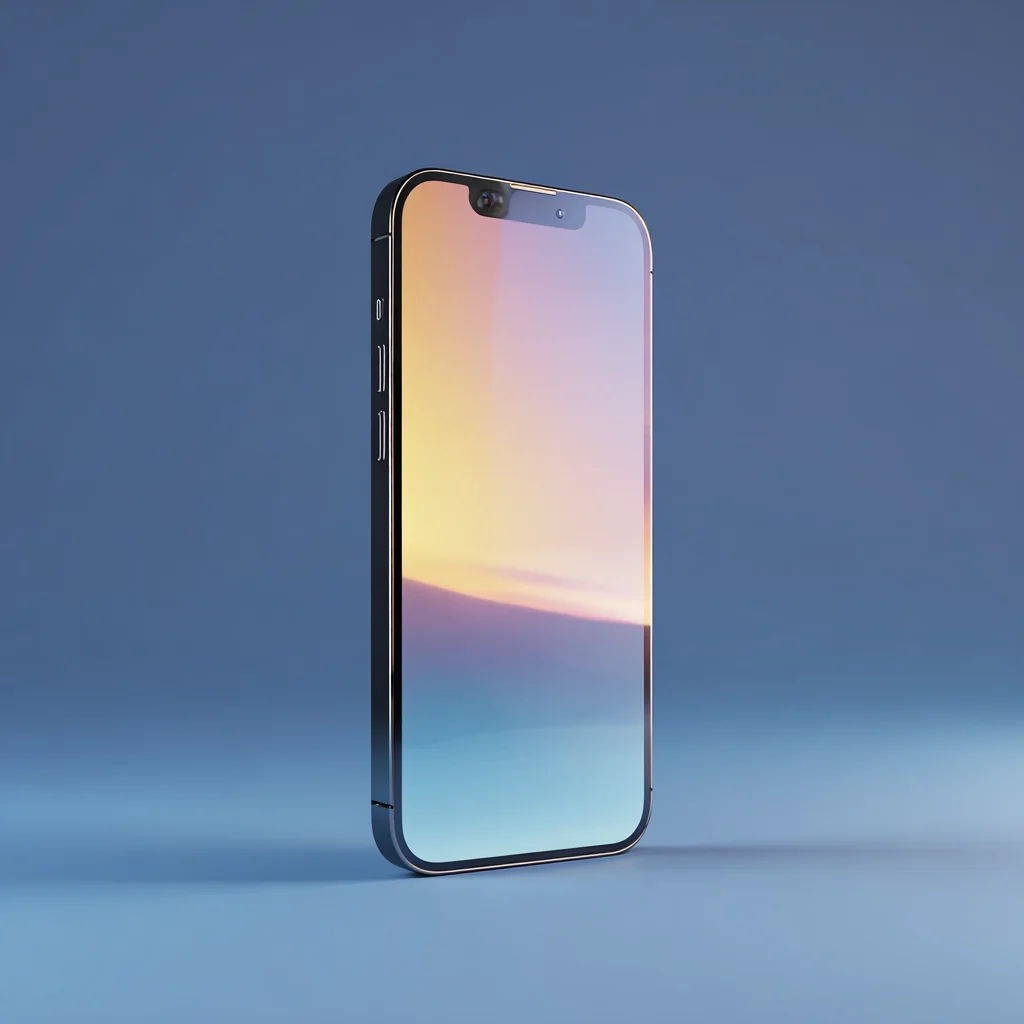
iPhone

iPhone

Apple's flagship smartphone line, known for its iOS operating system, premium build quality, and ecosystem integration.

VS
Octopus

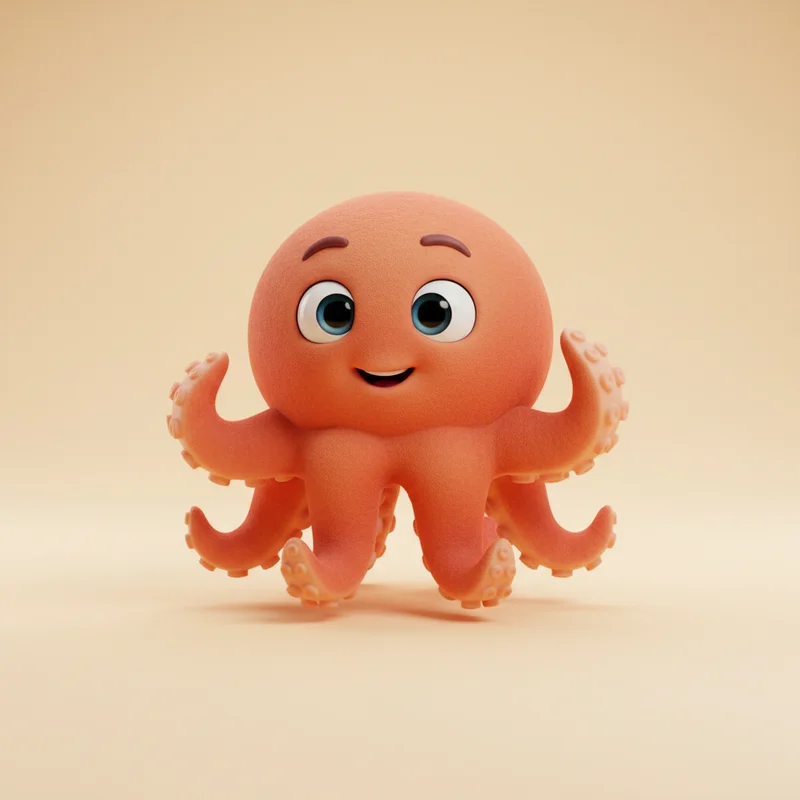
Octopus

Eight-armed cephalopod demonstrating remarkable intelligence, escape artistry, and camouflage abilities.

Battle Analysis

Adaptability octopus Wins
30%
70%
iPhone Octopus

iPhone

The iPhone demonstrates remarkable adaptive capacity within its operational parameters. Through software updates, the device modifies its behaviour to accommodate new applications, security threats, and the ever-changing demands of its user base. The iOS ecosystem permits the installation of over two million applications, each representing a potential adaptive response to environmental stimuli.

However, the iPhone's adaptability remains constrained by its fixed physical form. When confronted with water, extreme temperatures, or significant physical trauma, the device exhibits no capacity for self-modification. It cannot regrow damaged components, change colour to match its surroundings, or squeeze through apertures smaller than its chassis dimensions.

Octopus

The octopus represents 500 million years of adaptive refinement, possessing capabilities that border on the supernatural. A typical specimen can alter its colour, texture, and apparent shape within milliseconds, effectively running real-time camouflage algorithms without silicon assistance. The creature's boneless anatomy permits passage through any aperture larger than its beak, the only rigid structure in its body.

Chromatophore cells numbering in the thousands enable instantaneous visual adaptation, whilst the octopus's distributed nervous system allows each arm to operate semi-autonomously when problem-solving. Documented cases include octopi opening screw-top jars, navigating mazes, and escaping from supposedly secure enclosures with troubling regularity.

VERDICT

The octopus's biological adaptability across 500 million years vastly exceeds software update capabilities
Daily utility iphone Wins
70%
30%
iPhone Octopus

iPhone

The iPhone has achieved near-total integration into modern human existence. The device serves as telephone, camera, computer, navigation system, entertainment centre, payment mechanism, and social connection portal simultaneously. Research indicates that average users interact with their devices over 2,600 times daily, reflecting unprecedented utility penetration.

The practical applications extend across virtually all human activities. Banking, communication, commerce, entertainment, health monitoring, and countless professional functions now operate through iPhone-mediated interfaces. The device has rendered numerous single-purpose objects obsolete, from alarm clocks to physical maps to portable music players.

Octopus

The octopus offers limited daily utility to the average human. Whilst the creature can theoretically assist with underwater object retrieval or aquarium-based entertainment, these applications serve narrow demographics. The octopus cannot make telephone calls, process payments, or provide navigation guidance regardless of training investment.

Culinary applications exist in numerous cultures, where octopus provides high-quality protein and various micronutrients. Additionally, cephalopod ink maintains applications in both cuisine and traditional art production. However, these utilities require destructive processing that terminates any ongoing utility relationship.

VERDICT

Over 2,600 daily interactions across communication, commerce, and entertainment domains
Energy efficiency octopus Wins
30%
70%
iPhone Octopus

iPhone

The modern iPhone operates on a lithium-ion battery providing approximately 3,200 milliamp-hours of stored energy. Under typical usage patterns, this permits roughly 20 hours of video playback or 80 hours of audio reproduction. The device's A-series processors incorporate sophisticated power management systems that dynamically adjust performance to conserve energy.

However, the iPhone's energy requirements reveal a fundamental inefficiency. The device demands daily charging, drawing power from electrical grids that often rely on fossil fuel generation. Manufacturing a single unit requires the extraction of rare earth minerals from multiple continents, with the total embodied energy exceeding 70 kilowatt-hours per device.

Octopus

The octopus operates on remarkably modest energy inputs, converting consumed prey into movement, cognition, and reproduction with biological efficiency that engineering cannot replicate. A typical octopus consumes approximately 2-3 percent of its body weight daily, extracting maximum nutritional value through highly evolved digestive processes.

The metabolic efficiency of cephalopod locomotion proves particularly noteworthy. Jet propulsion, whilst energetically expensive during bursts, combines with crawling locomotion to optimise energy expenditure across varied terrain. The octopus requires no external charging infrastructure and generates zero electronic waste upon cessation of function.

VERDICT

Biological efficiency requiring no external charging infrastructure demonstrates clear energetic superiority
Global recognition iphone Wins
70%
30%
iPhone Octopus

iPhone

Since its introduction in 2007, the iPhone has achieved a level of global recognition that few manufactured objects can claim. The device is immediately identifiable across virtually all human cultures, with the distinctive Apple logo serving as a universal symbol of technological aspiration. Market research indicates brand awareness exceeding 90 percent in developed nations.

The iPhone's cultural penetration extends beyond mere recognition into symbolic significance. It represents modernity, connectivity, and socioeconomic status simultaneously. Photography, communication, and countless social rituals now revolve around this rectangular glass slab, conferring upon it a quasi-religious importance in contemporary society.

Octopus

The octopus has maintained consistent cultural presence across human civilisation for millennia. Ancient Mediterranean cultures depicted cephalopods in pottery and mythology, whilst Japanese artistic traditions have featured the creature prominently since at least the Edo period. The octopus appears in religious iconography, maritime folklore, and contemporary popular culture with remarkable persistence.

Modern recognition has been significantly enhanced by documentary media, particularly the Academy Award-winning film 'My Octopus Teacher,' which introduced millions to cephalopod intelligence. The octopus serves as a symbol of alienness, intelligence, and marine mystery across virtually all coastal cultures worldwide.

VERDICT

The iPhone's 90 percent brand awareness in developed nations represents unprecedented recognition levels
Intimidation factor octopus Wins
30%
70%
iPhone Octopus

iPhone

The iPhone projects a subtle form of socioeconomic intimidation that operates primarily through implication rather than direct threat. Possession of the latest model signals membership in an aspirational consumer class, creating psychological pressure among those bearing older devices. Corporate environments frequently witness iPhone-based status hierarchies establishing themselves without conscious acknowledgment.

The device can also serve as an instrument of social intimidation through its recording capabilities. The knowledge that any interaction might be photographed, filmed, or broadcast creates behavioural modifications in iPhone-adjacent individuals. However, the device lacks any capacity for physical threat.

Octopus

The octopus possesses genuine intimidation capabilities rooted in biological reality. The blue-ringed octopus carries sufficient tetrodotoxin to dispatch 26 adult humans, with no known antivenom. Even non-venomous species display threat behaviour including dramatic colour changes, apparent size inflation, and ink deployment that suggests a creature quite prepared to defend itself.

Historical accounts of giant Pacific octopi entangling divers have contributed to enduring maritime mythology. The creature's alien appearance, with multiple writhing appendages and horizontally-slitted eyes, activates deep-seated human responses to invertebrate threats. Laboratory specimens have demonstrated the capacity to spray water at researchers they find objectionable.

VERDICT

Genuine venomous capability and physical threat response exceeds mere socioeconomic pressure
👑

The Winner Is

Octopus

45 - 55

After rigorous comparative analysis, the octopus emerges with a 55-45 advantage over Apple's flagship device. Whilst the iPhone demonstrates unquestionable superiority in daily human utility and global brand recognition, these metrics ultimately reflect human dependencies rather than intrinsic excellence.

The octopus's victories in adaptability, energy efficiency, and intimidation factor represent fundamental capabilities refined across geological time scales. The creature requires no software updates, generates no electronic waste, and has successfully navigated environmental changes that have extinguished countless silicon-based devices' predecessor technologies.

In the final analysis, the octopus represents a more complete and self-sufficient entity, whilst the iPhone remains fundamentally a tool requiring external support systems. Both subjects excel within their operational parameters, yet the cephalopod's autonomous functionality tips the scales in this cross-kingdom assessment.

iPhone
45%
Octopus
55%

Share this battle

More Comparisons