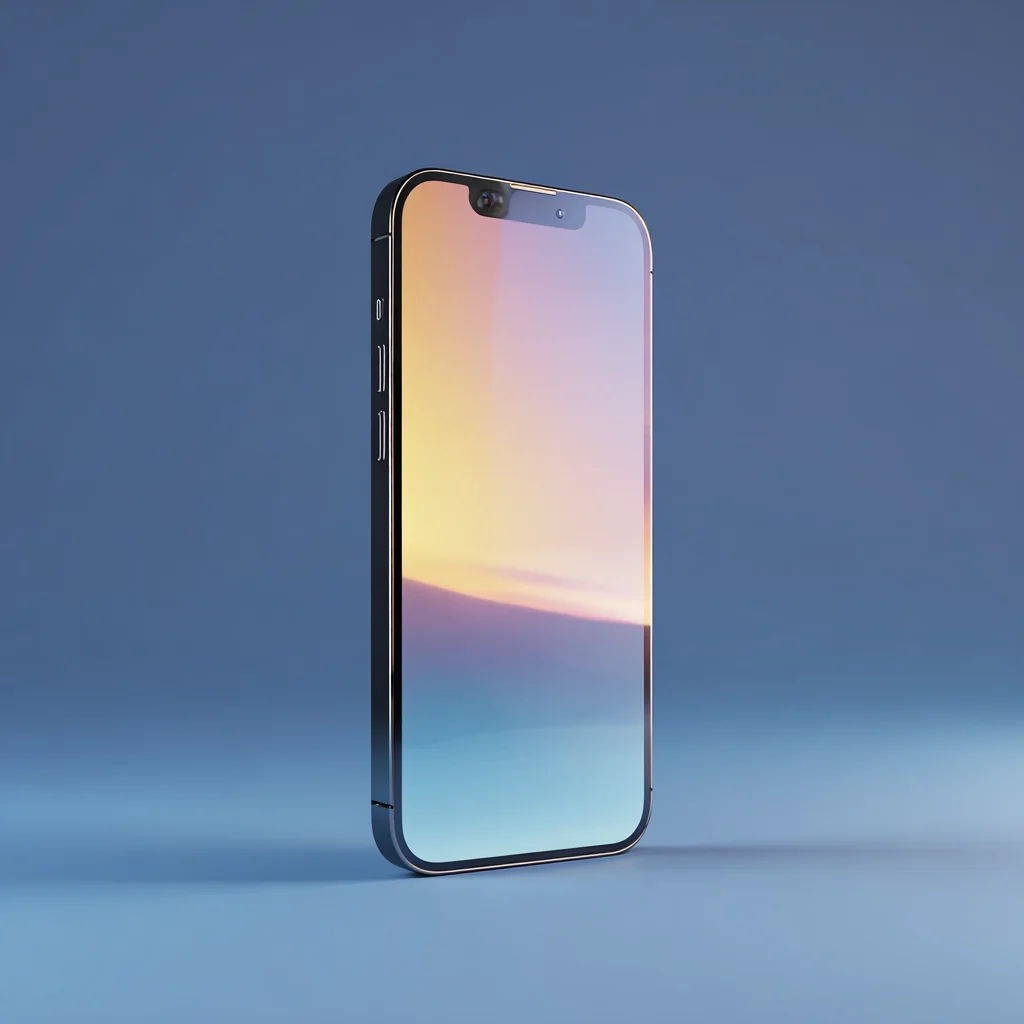

iPhone
The iPhone processes information at speeds that would have seemed supernatural to engineers of previous generations. The A-series chips execute operations in nanoseconds, with the neural engine capable of performing 17 trillion operations per second. Data travels through its circuitry at velocities approaching the speed of light itself.
However, the device remains stubbornly stationary during these operations. Its maximum physical velocity is entirely dependent upon whatever vehicle or organism carries it. The iPhone has achieved orbital velocity, certainly, but only as a passenger.
Rocket
The rocket exists for the singular purpose of achieving velocities that the laws of physics reluctantly permit. The Falcon 9 reaches speeds exceeding 27,000 kilometres per hour in low Earth orbit. The New Horizons probe departed Earth at 58,536 km/h, the fastest launch velocity ever achieved by a human-made object.
This capacity for speed comes at considerable cost. Rockets spend approximately 90% of their mass simply carrying the fuel required to achieve these velocities. The physics of the rocket equation remains beautifully tyrannical.