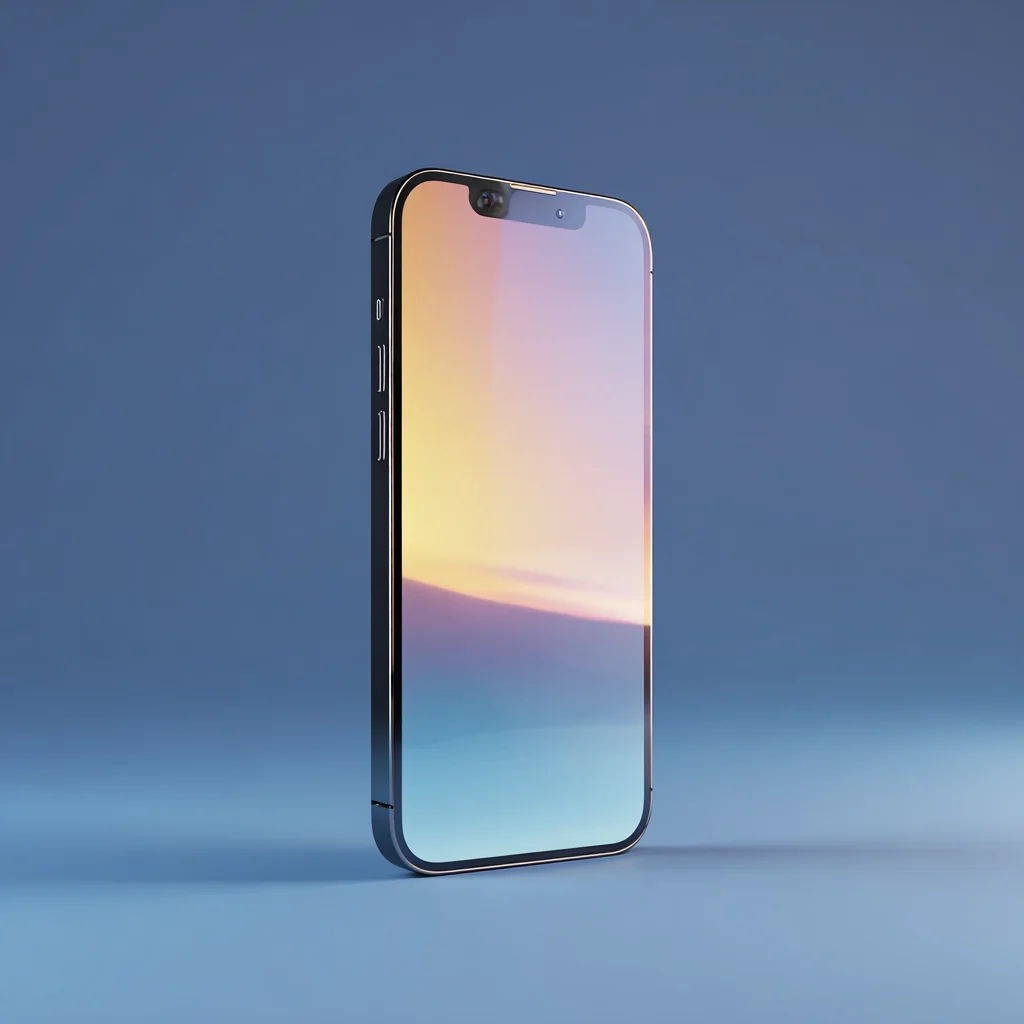
iPhone
The iPhone demonstrates computational velocity that defies intuitive comprehension. The A17 Pro neural engine executes 35 trillion operations per second, completing calculations in nanoseconds that would require human mathematicians entire careers to approximate. Network transmission occurs at 5G speeds reaching 10 gigabits per second, transferring data volumes equivalent to entire marine biology archives in mere moments.
Physical velocity, however, exposes the iPhone's fundamental limitation. The device possesses zero autonomous locomotion capability. Its maximum speed depends entirely upon external conveyance, whether human transport, postal services, or the unfortunate ballistic trajectory following accidental release near bodies of water containing sharks. Terminal velocity during such incidents approaches 50 metres per second, representing movement in directions the device's warranty explicitly does not cover.
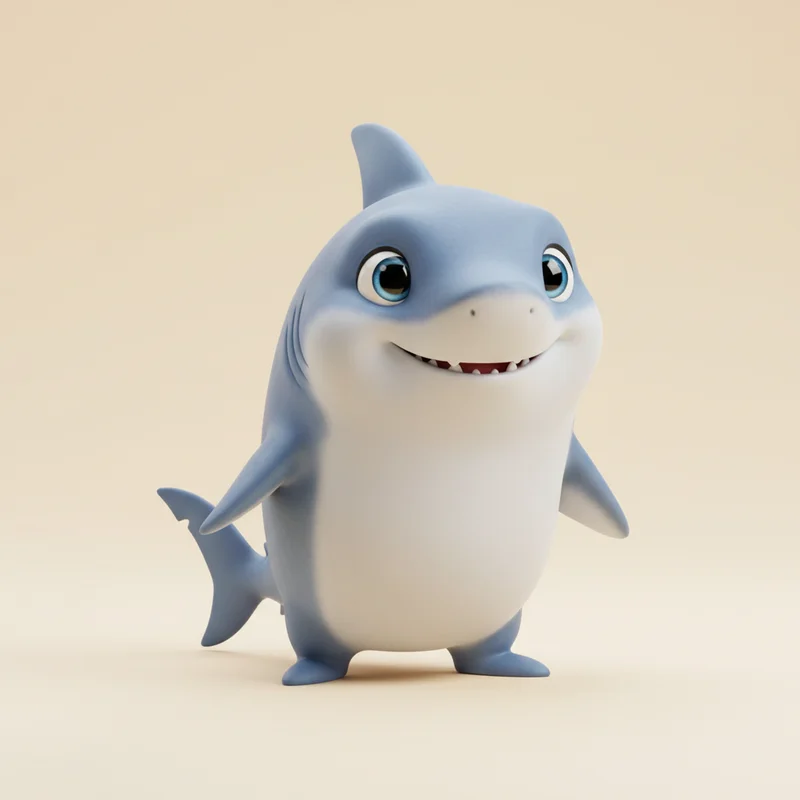
Shark
The shortfin mako shark achieves burst velocities exceeding 74 kilometres per hour, establishing it as the fastest shark species and among the quickest fish in oceanic environments. The great white, while slower at approximately 56 km/h, demonstrates acceleration capabilities that allow it to breach entirely clear of the water surface when pursuing surface prey. These velocities emerge from 450 million years of hydrodynamic refinement.
Critically, sharks maintain complete autonomous control over their movement. They require no charging cables, cellular networks, or user input to initiate pursuit. The lateral line system detects water displacement with such sensitivity that sharks perceive prey movement from distances exceeding 250 metres. Neurological impulses travel their streamlined bodies at speeds sufficient to execute strike manoeuvres before prey species register the threat.