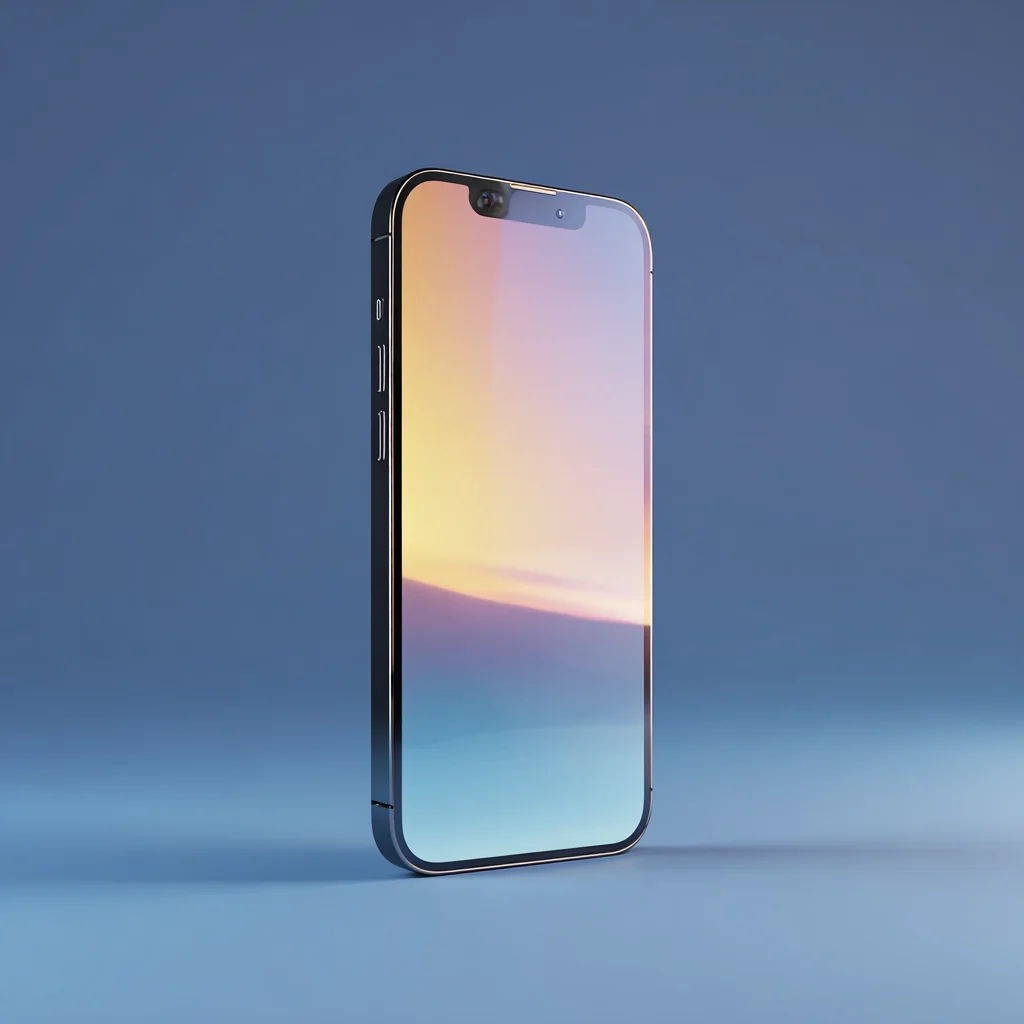

iPhone
The modern iPhone maintains an impressive 99.9% uptime when properly maintained. Its hardware typically functions for five to seven years before obsolescence, and software updates extend functionality regularly. With cellular, WiFi, and satellite connectivity options, the device rarely finds itself truly offline.
However, reliability depends upon external infrastructure: cellular towers, charging facilities, cloud servers, and the continued operation of Apple's ecosystem. A fully charged iPhone in a basement without signal becomes an expensive paperweight. The device's dependence upon systems beyond the user's control introduces systematic fragility.
Sherlock Holmes
Holmes maintained extraordinary consistency across decades of casework. His only notable failure came at Reichenbach Falls, and even that proved temporary. He required no batteries, no updates, and no connectivity. His mind functioned in any environment, from the moors of Dartmoor to the slums of Whitechapel.
The detective's reliability, however, was not absolute. His cocaine habit introduced periods of unreliability, and his manic-depressive tendencies sometimes rendered him unavailable. Watson documents weeks where Holmes would not leave his chambers. Unlike an iPhone, Holmes could not be simply restarted when malfunctioning.