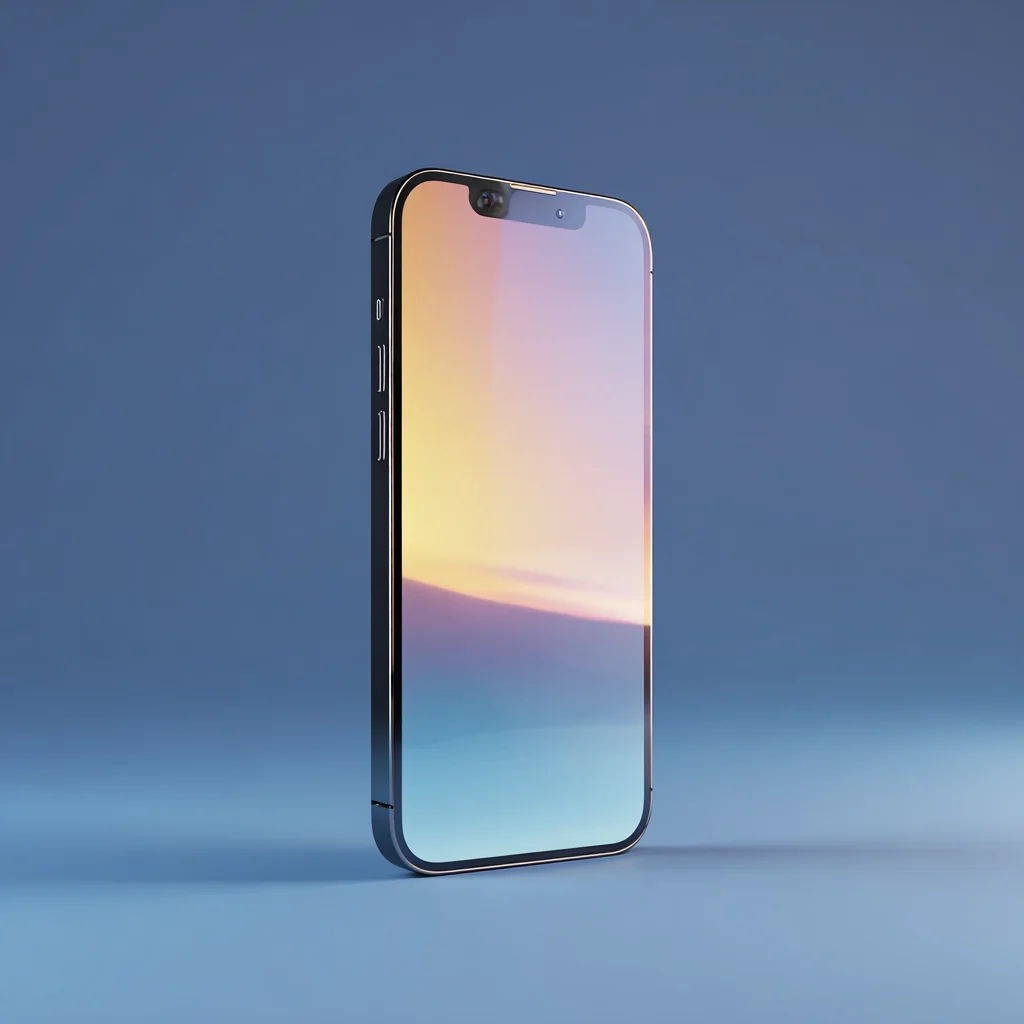

iPhone
The iPhone's claim to velocity rests upon its capacity to transmit information through 5G networks at theoretical speeds exceeding 10 gigabits per second. A photograph of one's breakfast can circumnavigate the globe in approximately 0.13 seconds, reaching relatives in distant time zones before the toast has cooled to ambient temperature.
Yet this speed remains fundamentally vicarious. The device itself, weighing a mere 206 grams, travels no faster than the pocket or handbag in which it resides. The user experiences velocity only through the proxy of data packets, a phenomenon researchers term phantom momentum syndrome.
Skiing
Skiing delivers velocity in its most primal and unmediated form. The current world speed skiing record stands at 254.958 kilometres per hour, achieved by Ivan Origone in 2016 on the slopes of Vars, France. Even recreational skiers routinely achieve speeds of 40-60 kilometres per hour, with the wind resistance providing continuous haptic feedback of their velocity.
The sensation of acceleration on a steep gradient engages the vestibular system in ways that scrolling through social media feeds cannot approximate. Gravitational forces of up to 3G are experienced during aggressive turns, a physiological reality that no smartphone notification has yet replicated.