iPhone
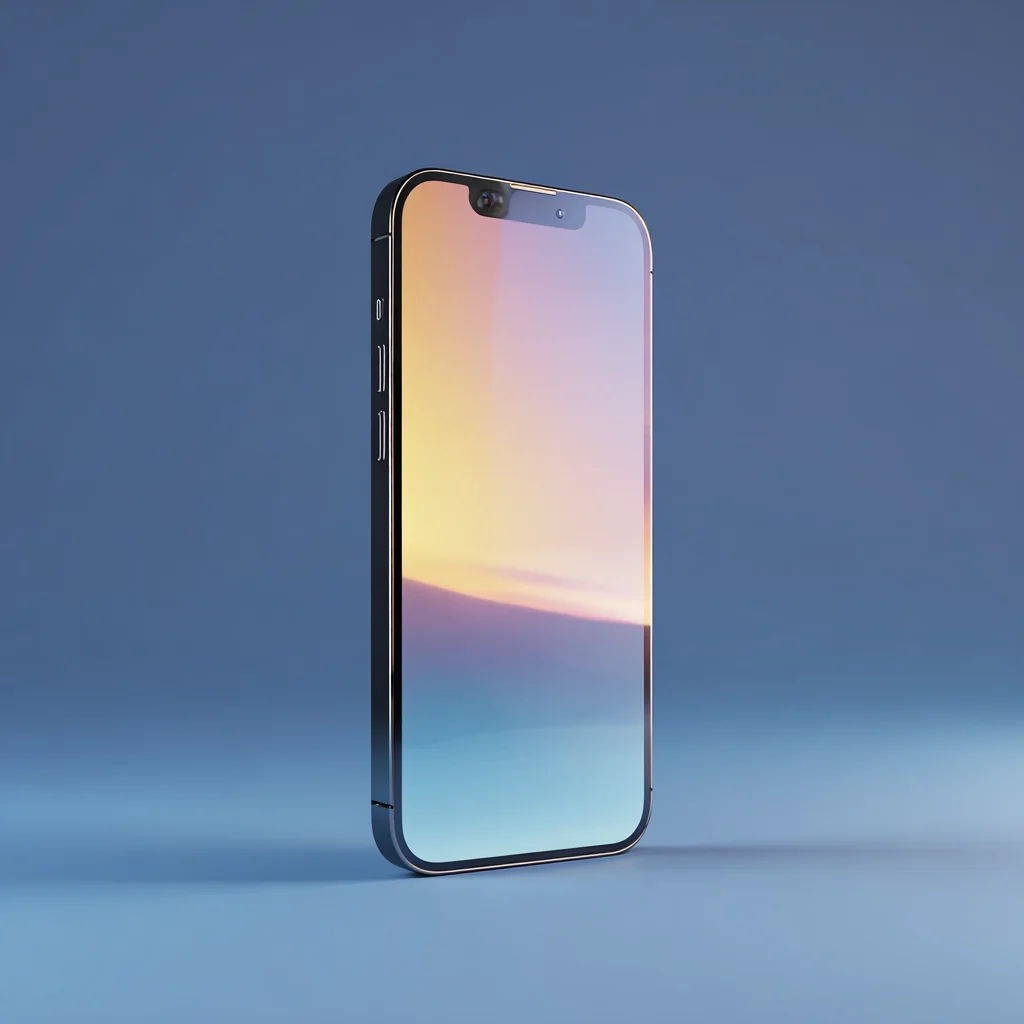
The iPhone commands what marketing scholars term aspirational brand equity of extraordinary magnitude. Apple's device consistently ranks among the top three most valuable brands globally, with the iPhone alone generating approximately $200 billion annually—exceeding the GDP of numerous nations. The distinctive silhouette, the proprietary charging ecosystem, and the cultural cachet of the bitten apple logo constitute a brand fortress of remarkable impregnability.
Consumer behaviour studies reveal that iPhone owners demonstrate 92% brand loyalty in repurchase decisions, a figure that suggests less a product preference than a quasi-religious devotion. The phenomenon of queuing overnight for new releases—documented across six continents—speaks to brand power that transcends mere commerce.
Smartphone
The smartphone as a category possesses no unified brand, yet this apparent weakness conceals a profound strength: ubiquitous necessity. The term itself has become synonymous with modern existence. To describe oneself as a smartphone user is to describe oneself as a participant in 21st-century civilisation. The category requires no marketing budget, no celebrity endorsements, no carefully orchestrated product launches.
Market research indicates that 83% of the global population considers smartphone ownership essential rather than discretionary. This categorical dominance means the smartphone brand—if one may call it such—operates at a level of cultural penetration that individual manufacturers can only approximate.