Topic Battle

Where Everything Fights Everything

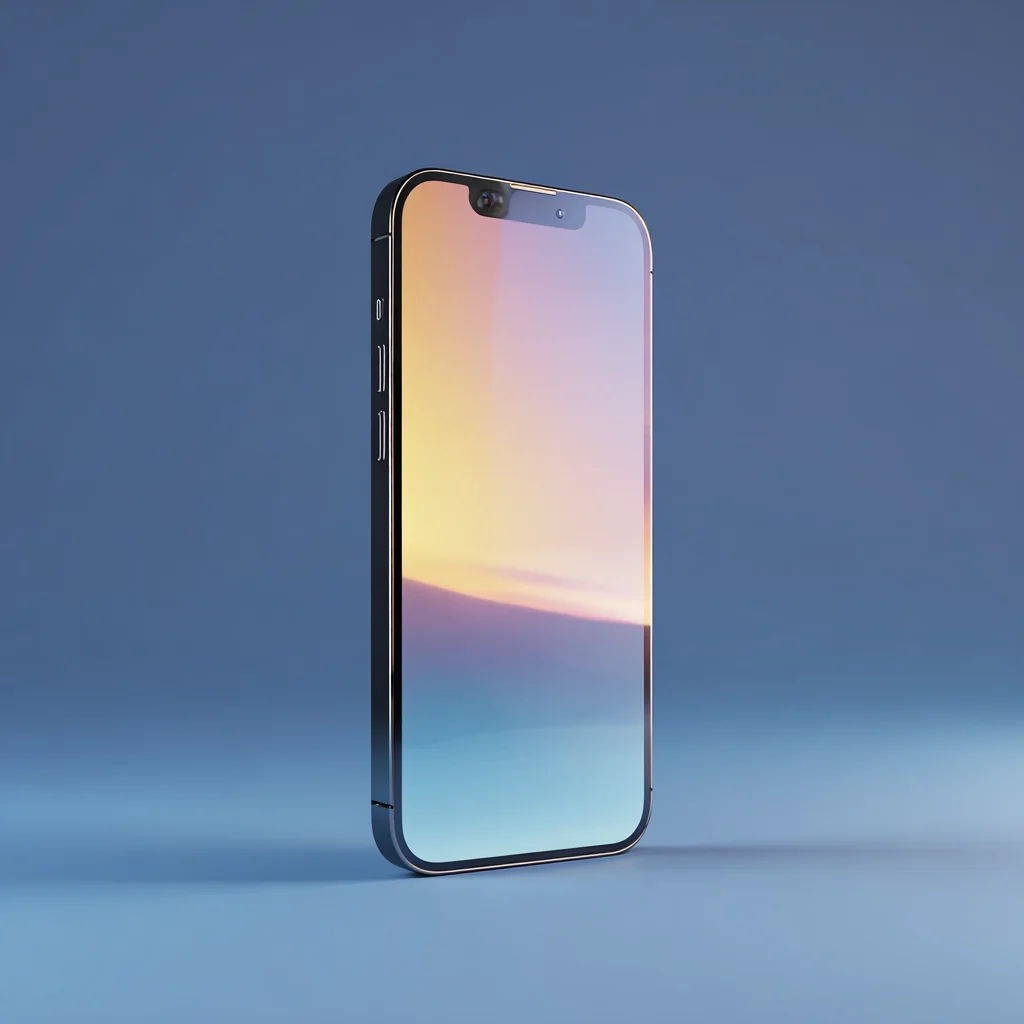
iPhone

iPhone

Apple's flagship smartphone line, known for its iOS operating system, premium build quality, and ecosystem integration.

VS
Tesla

Tesla

Electric vehicle manufacturer disrupting the automotive industry.

Battle Analysis

Brand loyalty iphone Wins
70%
30%
iPhone Tesla

iPhone

Apple's cultivation of brand loyalty borders on the anthropologically remarkable. iPhone users demonstrate retention rates exceeding 90%, with many consumers expressing emotional attachment to their devices that transcends rational economic calculation.

The Apple ecosystem, comprising iCloud, Apple Watch, AirPods, and MacBooks, creates a web of interconnected products that makes departure increasingly costly. Studies indicate iPhone users are willing to pay 40% premiums over equivalent Android devices purely for brand association.

Tesla

Tesla has achieved what automotive analysts once considered impossible: brand loyalty rivalling that of technology companies. Customer satisfaction surveys consistently rank Tesla above 90%, with owners displaying evangelical tendencies towards converting friends and family to electric mobility.

The company maintains direct relationships with customers, bypassing traditional dealership networks, and cultivates community through events and over-the-air updates that make owners feel they are participating in an ongoing technological revolution.

VERDICT

Apple's ecosystem lock-in and 90%+ retention rates represent the gold standard of consumer brand loyalty
Future potential tesla Wins
30%
70%
iPhone Tesla

iPhone

The iPhone's future trajectory faces the challenge of market saturation. With smartphone penetration exceeding 80% in developed markets, growth opportunities increasingly depend on incremental improvements rather than revolutionary leaps.

Apple's investments in augmented reality, spatial computing with Vision Pro, and health monitoring suggest the company views the iPhone as a platform for future innovation rather than the endpoint. The services revenue now exceeding $80 billion annually indicates a strategic pivot beyond hardware dependency.

Tesla

Tesla's future potential extends into territories the iPhone cannot reach. The company's stated mission encompasses not merely vehicles but the complete transformation of global energy infrastructure. Robotaxi networks, humanoid robots (Optimus), and grid-scale energy storage represent addressable markets measured in trillions.

With full self-driving technology potentially enabling autonomous transportation networks, Tesla's future revenue streams could dwarf its current automotive business by orders of magnitude.

VERDICT

Tesla's addressable markets in energy, robotics, and autonomous transport represent larger growth opportunities
Innovation impact iphone Wins
70%
30%
iPhone Tesla

iPhone

The iPhone's contribution to innovation cannot be overstated. Before its arrival, the mobile phone market was dominated by devices with physical keyboards and resistive touchscreens that required the precision of a surgeon. Apple's introduction of capacitive multi-touch technology and the App Store ecosystem created an entirely new paradigm of human-device interaction.

The device has spawned over 2 million applications and fundamentally altered how humans consume media, communicate, and navigate the physical world. The concept of the smartphone as a primary computing device can be traced directly to this single innovation.

Tesla

Tesla's innovation extends beyond the vehicle itself into the realms of battery technology, autonomous driving systems, and energy storage. The company's development of the Gigafactory has revolutionised lithium-ion battery production at scale, while its Autopilot system has advanced the field of machine learning in transportation by millions of real-world driving miles.

Perhaps most significantly, Tesla has proven that electric vehicles can outperform their combustion-powered counterparts in both acceleration and efficiency, accumulating over 5 billion miles of Autopilot data for continuous improvement.

VERDICT

The iPhone created an entirely new product category and computing paradigm that transformed daily human behaviour globally
Market disruption tesla Wins
30%
70%
iPhone Tesla

iPhone

The iPhone's market disruption was swift and merciless. Nokia, once the undisputed monarch of mobile communications with 40% global market share, found itself relegated to the status of a historical curiosity. BlackBerry, the preferred device of business professionals, similarly met its demise at the hands of this touchscreen predator.

The smartphone market, valued at approximately $500 billion annually, now sees Apple commanding premium pricing that would have been unthinkable in the pre-iPhone era, with the company consistently capturing over 75% of industry profits.

Tesla

Tesla's disruption of the automotive industry forced established manufacturers to abandon century-old combustion engine programmes virtually overnight. Volkswagen, General Motors, and Ford have collectively committed over $200 billion to electrification efforts directly in response to Tesla's market pressure.

The company achieved a market capitalisation exceeding that of all traditional automakers combined, fundamentally altering investor expectations for the future of transportation and forcing an industry-wide reckoning with sustainable mobility.

VERDICT

Tesla's disruption forced an entire $3 trillion industry to abandon its core technology and restructure completely
Environmental footprint tesla Wins
30%
70%
iPhone Tesla

iPhone

The environmental credentials of the iPhone present a complex picture. While each device requires the extraction of rare earth elements and generates significant carbon during manufacturing, Apple has committed to complete carbon neutrality across its supply chain by 2030.

The device has, however, contributed to a culture of rapid obsolescence, with the average replacement cycle of 2-3 years generating substantial electronic waste. Apple's recycling initiatives, including the Daisy robot, represent attempts to address this ecological concern.

Tesla

Tesla's environmental impact operates on an entirely different scale. Each vehicle eliminates approximately 4.6 metric tonnes of CO2 emissions annually compared to conventional vehicles. The company's energy division, including solar panels and Powerwall systems, extends this environmental benefit beyond transportation.

The fleet of Tesla vehicles on roads today has prevented an estimated 8 million metric tonnes of CO2 emissions, though the lithium mining required for batteries remains a subject of ongoing environmental scrutiny.

VERDICT

Tesla's core mission directly addresses climate change through transportation electrification and renewable energy
👑

The Winner Is

Tesla

47 - 53

In this unprecedented cross-domain analysis, the Tesla emerges with a narrow victory at 53-47, though the margin reflects the extraordinary accomplishments of both technological specimens. The iPhone's dominance in innovation impact and brand loyalty is offset by Tesla's more profound market disruption, environmental contribution, and expansive future potential.

Both entities have fundamentally altered human behaviour and industrial landscapes in ways that will be studied by future generations. The iPhone transformed how we communicate, consume, and interact with information. Tesla is transforming how we move, generate power, and envision sustainable civilisation. In the final analysis, the vehicle's broader scope of impact across transportation, energy, and artificial intelligence gives it the slenderest of advantages in this remarkable contest of disruption.

iPhone
47%
Tesla
53%

Share this battle

More Comparisons