iPhone
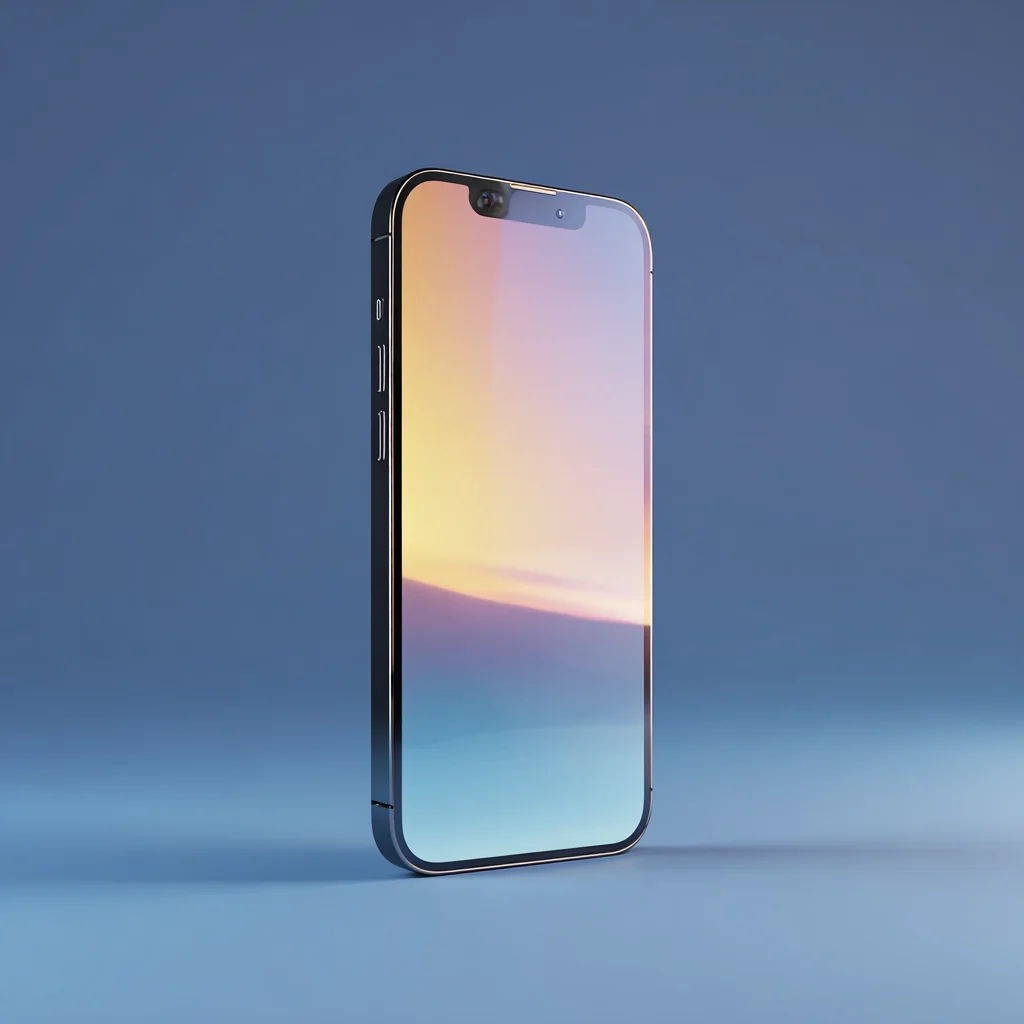
The iPhone has achieved notable improvements in physical resilience across product generations. Current models feature Ceramic Shield glass rated to survive impacts from 1.8 metres onto level surfaces, whilst the titanium frame provides structural integrity that aluminium predecessors could not offer. Water resistance certification of IP68 permits submersion to six metres for thirty minutes, addressing scenarios that previous generations could not survive.
Nevertheless, the iPhone remains fundamentally brittle by the standards of entities that must endure sustained physical stress. A single encounter with concrete at an unfortunate angle can shatter display assemblies costing hundreds of dollars. The device cannot absorb repeated impacts, cannot recover from structural damage without external repair, and begins its degradation process from the moment of manufacture. Planned obsolescence ensures that even undamaged units become functionally diminished within four to five years.
Wrestling
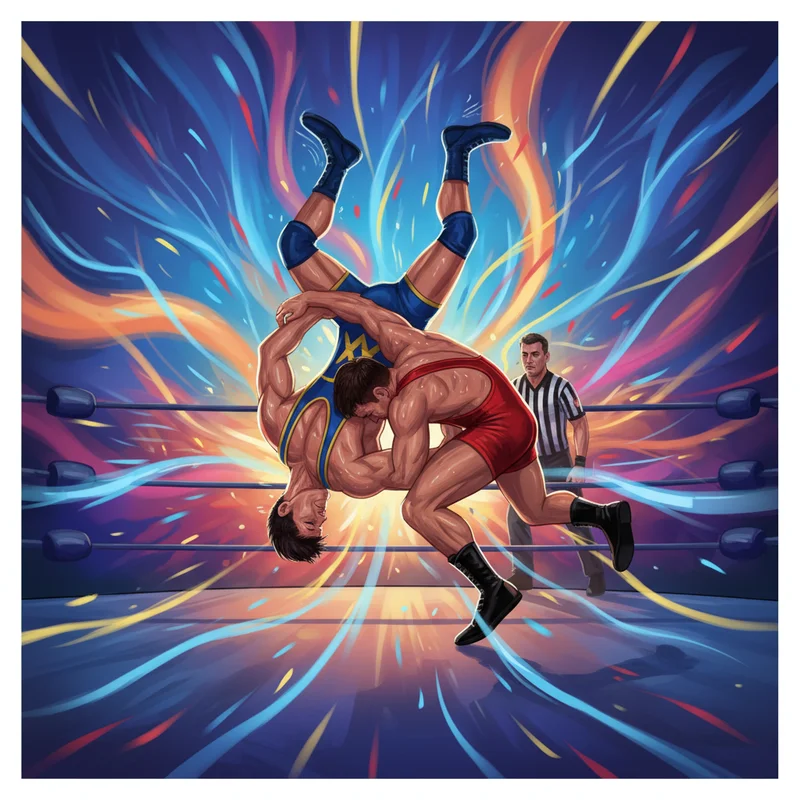
Wrestling has demonstrated extraordinary durability across temporal scales that dwarf any manufactured product. The sport's core principles have survived the collapse of the Roman Empire, the Mongol conquests, the Industrial Revolution, and the Digital Age. Archaeological evidence confirms wrestling's practice across 5,000 years of documented human history, with stylistic variations emerging in Greco-Roman, freestyle, folk, and professional entertainment formats.
The durability of wrestling derives from its irreducible simplicity. The activity requires no equipment that can break, no technology that can become obsolete, and no infrastructure beyond a flat surface and two participants. Wars, famines, and civilisational collapse have failed to eliminate wrestling from human culture. The sport has proven itself immune to obsolescence through mechanisms that consumer electronics cannot replicate: it addresses fundamental human drives that exist independent of technological advancement.