Topic Battle

Where Everything Fights Everything

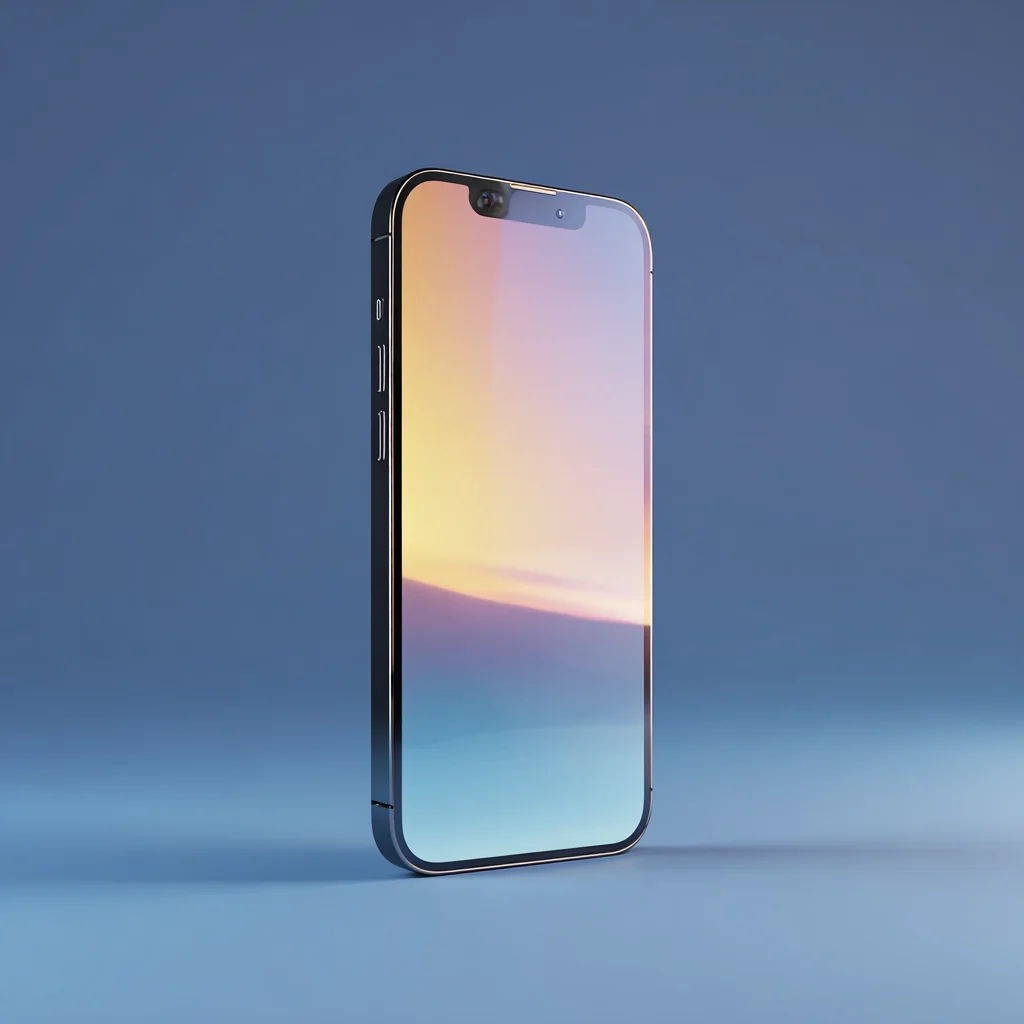
iPhone

iPhone

Apple's flagship smartphone line, known for its iOS operating system, premium build quality, and ecosystem integration.

VS
Zebra

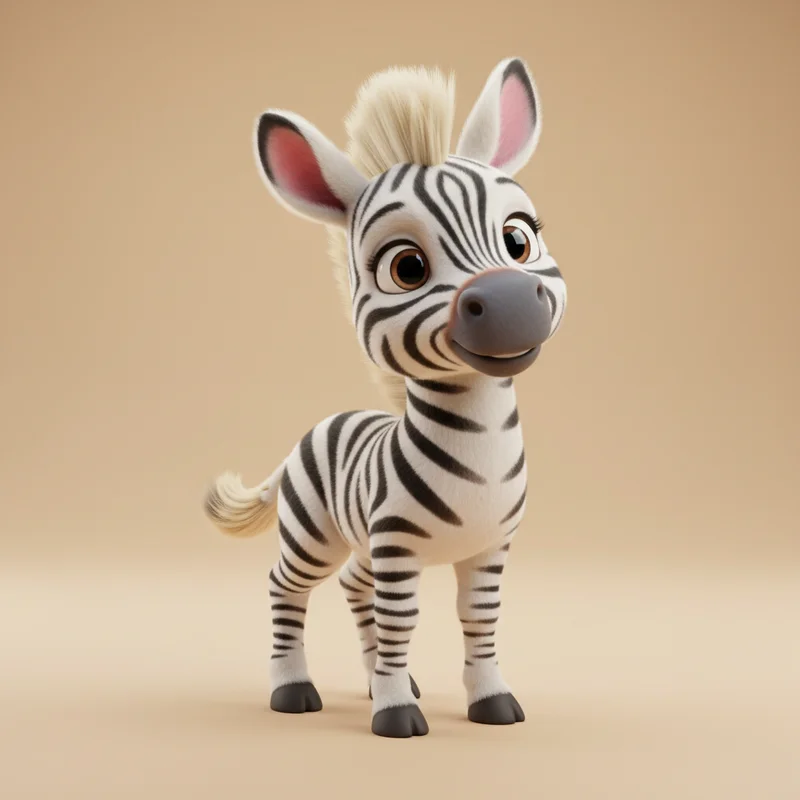
Zebra

African equine featuring distinctive black and white stripes that confuse predators and scientists alike.

The Matchup

In the annals of design excellence, few creations have achieved the instant recognisability commanded by the iPhone and the zebra. One emerges from the laboratories of Cupertino, California, refined through seventeen generations of iterative engineering to become the world's most ubiquitous consumer device. The other roams the grasslands of sub-Saharan Africa, its distinctive coat pattern representing millions of years of evolutionary optimisation that continues to perplex biologists and inspire fashion designers in equal measure.

The iPhone, with its sleek aluminium chassis and precisely calibrated display, has redefined human communication since its 2007 debut. Over 2.3 billion units have been sold worldwide, generating revenues that exceed the GDP of most African nations. The zebra, Equus quagga, maintains populations of approximately 750,000 individuals whose black-and-white striping has become synonymous with the African wilderness and pedestrian crossings alike.

Both entities excel at being immediately identifiable. Both have inspired countless imitations. And both represent the pinnacle of design within their respective domains. This analysis applies scholarly rigour to determine which demonstrates superior capability across metrics that transcend the boundaries between carbon-based life forms and consumer electronics.

Battle Analysis

Predator evasion zebra Wins
30%
70%
iPhone Zebra

iPhone

The iPhone possesses no intrinsic capability for predator evasion whatsoever. The device cannot detect approaching threats, cannot initiate autonomous movement, and cannot implement defensive measures of any description. Its response to predation, whether by lion, hyena, or acquisitive human, consists entirely of passive acceptance of whatever fate circumstances determine.

The iPhone does offer Find My functionality that enables location tracking following theft, representing a form of post-predation recovery capability. This feature, however, requires network connectivity, battery charge, and the assumption that the predator has not disabled the device. Against savanna predators lacking iPhone technical knowledge, this capability offers no meaningful protection.

Zebra

Zebra predator evasion represents millions of years of evolutionary refinement against some of Earth's most efficient predators. The species maintains visual fields exceeding 340 degrees, detecting threats from nearly all directions simultaneously. Upon threat detection, zebras achieve sprint velocities of 65 kilometres per hour within seconds of initiating flight response.

The striping pattern itself may serve predator confusion functions. The motion dazzle hypothesis suggests that moving stripes create optical illusions that impair predator targeting accuracy. Studies at the University of Newcastle found that striped targets were struck by simulated predators significantly less frequently than solid-coloured equivalents. The zebra has evolved camouflage that operates through confusion rather than concealment.

VERDICT

Zebras deploy 65 km/h sprint speeds, 340-degree visual fields, and potentially confusion-inducing stripe patterns, whilst iPhones offer no predator evasion capability whatsoever.
Thermoregulation zebra Wins
30%
70%
iPhone Zebra

iPhone

iPhone thermoregulation relies upon passive heat dissipation through aluminium chassis surfaces and internal thermal paste compounds. The device maintains optimal operation between 0 and 35 degrees Celsius, a range that excludes significant portions of Earth's inhabited surface during summer months. Exceeding these parameters triggers thermal throttling that reduces processing capability by up to 80 percent.

In extreme cases, iPhones display temperature warning messages and refuse operation entirely until cooled to acceptable levels. This represents a device that, when confronted with the thermal conditions prevailing across much of the zebra's natural habitat, would simply surrender functionality and await rescue.

Zebra

The zebra's striping may serve thermoregulatory functions that scientists continue to investigate with considerable interest. Research published in the Journal of Experimental Biology suggests that differential heating between black and white stripes creates air convection patterns that cool the animal's surface. This theory, while debated, proposes that zebras have evolved integrated air conditioning requiring no electrical power.

Beyond striping effects, zebras maintain homeostatic regulation through physiological mechanisms including selective blood vessel dilation, sweat production, and behavioural thermoregulation. These systems maintain core body temperature within one degree of optimal across environmental conditions ranging from below freezing to above 45 degrees Celsius. No iPhone has ever achieved comparable thermal performance.

VERDICT

Zebras maintain function across temperature ranges that cause iPhone thermal shutdown, potentially using stripe-based passive cooling that operates without electricity.
Visual recognition zebra Wins
30%
70%
iPhone Zebra

iPhone

The iPhone has achieved global visual recognition that marketing executives describe as unprecedented in consumer product history. The distinctive rounded rectangle silhouette, the characteristic notch (now replaced by the Dynamic Island), and the Apple logo positioned precisely at the device's posterior combine to create instant identification from distances exceeding twenty metres in adequate lighting conditions.

Apple has invested approximately $1 billion annually in maintaining this visual brand consistency across product generations. The result is a device that consumers can identify even when obscured, damaged, or viewed from oblique angles. However, this recognition depends entirely upon prior cultural exposure. Individuals unfamiliar with smartphone technology would perceive merely a shiny rectangle of no particular significance.

Zebra

The zebra's striping represents one of nature's most distinctive visual signatures, recognisable across virtually all human cultures regardless of prior wildlife exposure. Studies conducted at the University of Sussex confirm that zebra patterns are identified faster than any other mammalian coat pattern, with recognition occurring in as little as 150 milliseconds following initial visual processing.

More remarkably, each zebra possesses a unique stripe configuration, functioning as a biological fingerprint that enables individual identification within herds. This natural barcode system, which inspired the development of commercial barcoding technology, operates without batteries, network connectivity, or software updates. The pattern maintains full visibility in any lighting condition and cannot be obscured by protective cases.

VERDICT

The zebra's universally recognisable stripe pattern operates across all cultures without prior exposure, whilst iPhone recognition requires cultural familiarity with consumer electronics.
Social coordination iphone Wins
70%
30%
iPhone Zebra

iPhone

The iPhone enables unprecedented social coordination across global networks. Group messaging, video conferencing, and social media applications permit coordination among millions of individuals separated by continents and time zones. The device has facilitated protest movements, business empires, and personal relationships that would be inconceivable without instantaneous communication technology.

This capability, however, requires extensive infrastructure. Cell towers, undersea cables, data centres consuming gigawatts of electricity, and software platforms maintained by thousands of engineers combine to enable iPhone social functions. The device serves as merely the visible terminus of a coordination network requiring global industrial capacity to maintain.

Zebra

Zebras coordinate herd movements through biological systems requiring no external infrastructure whatsoever. Herds of up to 200 individuals maintain cohesion during migrations spanning hundreds of kilometres using vocalisations, visual signals, and what researchers term collective intelligence. This coordination operates identically whether in the presence or absence of cell tower coverage.

More remarkably, zebras coordinate predator defence through instinctive systems refined across millions of years. The confusion effect generated by running stripes overwhelms predator visual tracking systems. Herd members position themselves to protect vulnerable individuals. This social coordination operates without scheduled meetings, project management software, or Slack notifications.

VERDICT

The iPhone enables coordination among billions of humans across global distances, exceeding zebra herd coordination capabilities by orders of magnitude in scale and complexity.
Durability under pressure zebra Wins
30%
70%
iPhone Zebra

iPhone

Modern iPhones incorporate Ceramic Shield front covers and titanium frames that represent significant advances in consumer electronics durability. The iPhone 15 Pro survives drops from heights of 1.8 metres onto controlled surfaces and maintains IP68 water resistance permitting submersion to six metres for thirty minutes. These specifications exceed those of competing devices by meaningful margins.

Nevertheless, the iPhone remains fundamentally vulnerable to the pressures encountered in uncontrolled environments. A single lion stepping on the device would produce forces exceeding structural tolerances by orders of magnitude. Exposure to savanna temperatures reaching 45 degrees Celsius triggers thermal shutdowns. The average iPhone survives 4.7 years before requiring replacement, a lifespan that biological entities would consider catastrophically brief.

Zebra

The zebra has evolved to withstand environmental pressures that would destroy consumer electronics within minutes of exposure. Adult zebras survive temperature variations from below freezing to above 40 degrees Celsius, drought conditions lasting months, and physical impacts from predators, competitors, and territorial conflicts. The skeletal structure absorbs forces from kicks delivering 3,000 pounds per square inch without structural failure.

Zebras demonstrate operational lifespans of 20-25 years in wild conditions and up to 40 years in protected environments. This durability emerges from self-repairing biological systems that heal wounds, regenerate damaged tissues, and adapt to changing conditions without external intervention. The zebra requires no AppleCare subscription to maintain functionality.

VERDICT

Zebras survive environmental extremes, predator attacks, and operational lifespans exceeding iPhones by factors of five through autonomous self-repair systems.
👑

The Winner Is

Zebra

44 - 56

This analysis concludes with a 56-44 victory for Equus quagga across the evaluated metrics. The zebra secured victories in visual recognition, durability under pressure, thermoregulation efficiency, and predator evasion capability, whilst the iPhone claimed only social coordination as its categorical triumph. The margin reflects fundamental advantages conferred by biological systems refined across evolutionary time scales that consumer electronics cannot replicate.

The iPhone's victory in social coordination represents genuine capability that zebras cannot approach. Enabling billions of humans to coordinate across global distances through instantaneous communication constitutes an achievement unprecedented in Earth's history. This capability has restructured human civilisation in ways that herd coordination among several hundred equids cannot meaningfully address.

However, the zebra's victories occurred in categories addressing autonomous function in uncontrolled environments. The zebra survives temperature extremes that trigger iPhone shutdown. It evades predators that would reduce iPhones to scattered components. It maintains recognisability through biological patterns operating without software, batteries, or network infrastructure. These represent capabilities that no firmware update can provide.

The comparison ultimately contrasts manufactured connectivity against evolutionary resilience. The iPhone excels within the infrastructure-rich environments humans have constructed. The zebra excels in the wild conditions that prevailed for millions of years before smartphones existed and will likely persist long after current technology becomes archaeological curiosity.

iPhone
44%
Zebra
56%

Share this battle

More Comparisons