Topic Battle

Where Everything Fights Everything

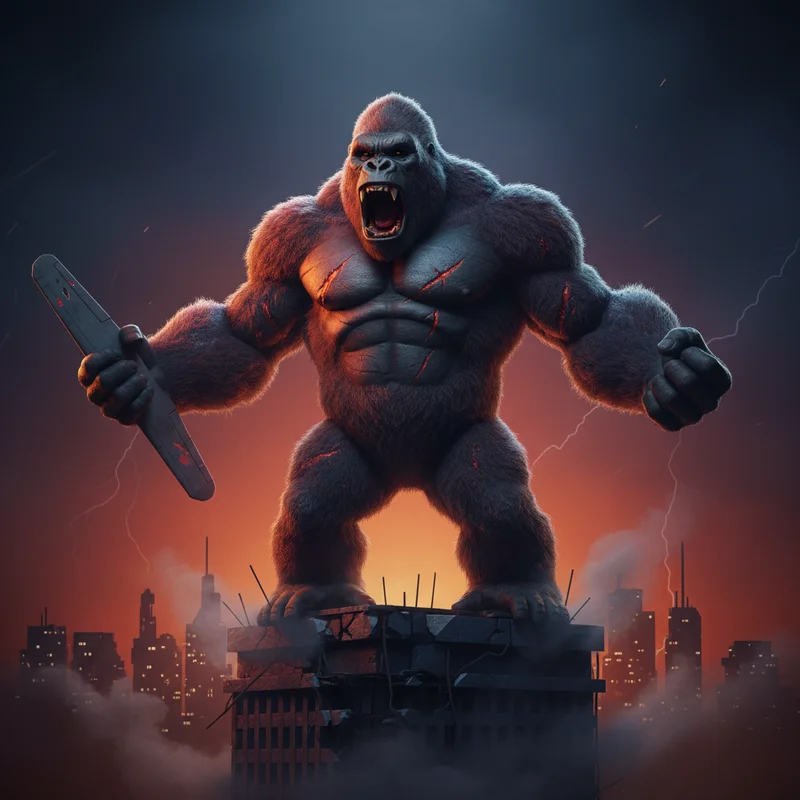
King Kong

King Kong

Giant ape with a thing for tall buildings.

VS
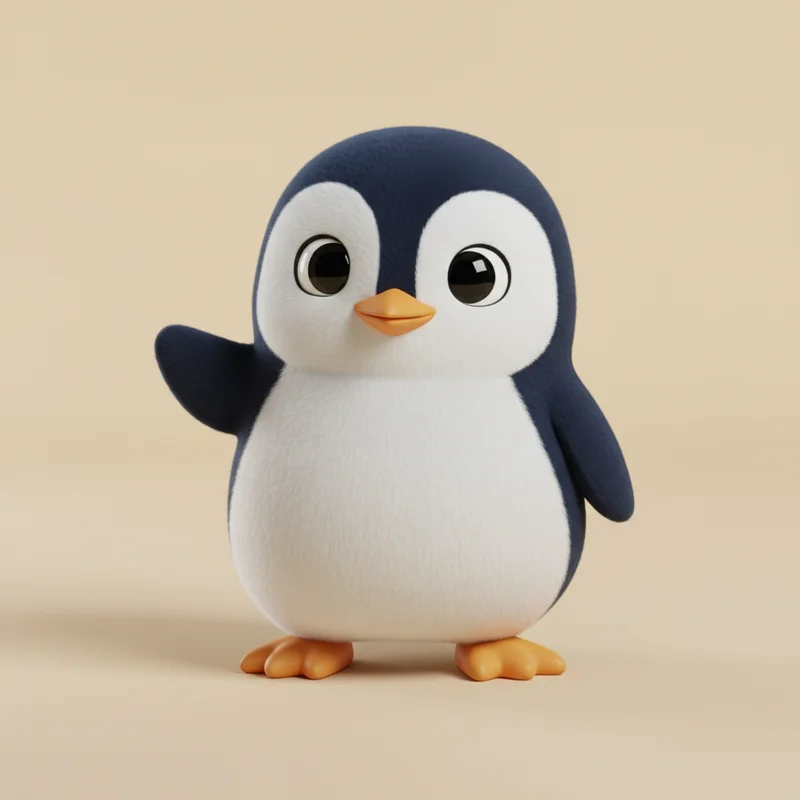
Penguin

Penguin

Flightless seabird thriving in Antarctic conditions, famous for adorable waddles and dedicated parenting.

Battle Analysis

Global recognition Penguin Wins
30%
70%
King Kong Penguin

King Kong

Since his debut in 1933, King Kong has achieved remarkable penetration into global consciousness. The image of the great ape atop the Empire State Building ranks among cinema's most iconic frames. Multiple remakes spanning nearly a century have introduced Kong to successive generations, whilst the MonsterVerse franchise has revitalised his cultural presence. However, recognition requires active media reinforcement; without new productions, King Kong's profile gradually diminishes in collective memory.

Penguin

The penguin benefits from continuous, unmediated exposure across multiple cultural channels. Documentary programmes from Sir David Attenborough's productions to commercial nature series feature penguins with remarkable frequency. Children's literature, animated films, and environmental campaigns consistently deploy the penguin as an ambassador for Antarctic conservation. Unlike King Kong, the penguin requires no studio intervention to maintain visibility; actual living specimens in zoos and aquariums worldwide provide direct encounters that fictional creatures cannot replicate.

VERDICT

Living specimens provide continuous exposure that fictional characters cannot sustainably match across generations.
Entertainment value Penguin Wins
30%
70%
King Kong Penguin

King Kong

King Kong delivers entertainment through spectacle, destruction, and the peculiar pathos of the misunderstood monster. His films generate billions in box office revenue and have spawned theme park attractions, video games, and merchandise empires. The creature offers narrative drama unavailable to non-fictional subjects: tragic love, confrontation with modernity, and the sublime terror of nature's power made manifest. However, King Kong entertainment requires substantial production investment and audience suspension of disbelief.

Penguin

The penguin provides entertainment value through accessibility and inherent charm. Their distinctive waddle, formal plumage, and complex social behaviours captivate audiences without requiring special effects budgets. Documentary footage of penguin colonies attracts millions of viewers; viral videos of penguins in zoos accumulate billions of views. The success of productions such as March of the Penguins and Happy Feet demonstrates that penguin entertainment can achieve blockbuster status whilst requiring far less audience effort. Penguins entertain simply by existing.

VERDICT

Passive entertainment requiring no suspension of disbelief offers superior long-term engagement potential.
Intimidation factor King Kong Wins
70%
30%
King Kong Penguin

King Kong

King Kong represents the apex of intimidation potential. Standing at heights varying from fifty to over three hundred feet depending upon the production, the creature can demolish buildings, defeat military hardware, and inspire primal terror in all who witness his rampage. The great ape embodies humanity's ancient fears of being prey to larger, more powerful creatures. His roar alone causes stampedes among civilian populations. For sheer capacity to inspire immediate, visceral fear, King Kong operates without meaningful competition.

Penguin

The penguin possesses effectively zero intimidation capacity toward humans. Adult emperor penguins, the largest extant species, reach approximately one metre in height and pose no conceivable threat to human safety. Their primary predators include leopard seals and orcas, creatures that would scarcely register King Kong's existence. However, the penguin compensates by having no natural need for intimidation as a survival strategy, having instead evolved supreme cold-weather adaptability. Intimidation represents a category in which the penguin simply does not compete.

VERDICT

Capacity to inspire primal terror and destroy infrastructure places Kong in an uncontested position.
Environmental impact Penguin Wins
30%
70%
King Kong Penguin

King Kong

King Kong's environmental impact is catastrophic by any measure. His rampages through urban centres result in infrastructure destruction valued in the billions, ecological disruption from displaced wildlife, and carbon emissions from resulting fires and reconstruction efforts. Skull Island's ecosystem exists in perpetual imbalance due to his presence as an apex predator of impossible metabolic requirements. The creature represents an environmental liability of unprecedented magnitude, a walking disaster zone that leaves devastation in his considerable wake.

Penguin

Penguins function as crucial components of Antarctic and sub-Antarctic ecosystems, transferring marine nutrients to terrestrial environments through their guano, which supports plant growth and insect populations. Their role in marine food webs helps maintain fish stock equilibrium. Individual carbon footprints remain negligible, and colony activities enrich rather than deplete local ecologies. The penguin represents symbiotic environmental integration, working within natural systems rather than against them. Their presence indicates ecosystem health rather than impending collapse.

VERDICT

Ecological integration and nutrient cycling versus catastrophic destruction presents a decisive distinction.
Evolutionary success Penguin Wins
30%
70%
King Kong Penguin

King Kong

King Kong exists as a singular anomaly, a creature of impossible biology conjured from the fertile imagination of early twentieth-century cinema. His species, if one can term it such, consists of precisely one member at any given narrative juncture. The creature demonstrates no viable reproductive strategy, no population dynamics, and no genetic diversity whatsoever. From a Darwinian perspective, King Kong represents an evolutionary terminus rather than a triumph. His existence depends entirely upon the continued interest of film studios and audiences, a form of cultural rather than biological survival that offers no protection against extinction.

Penguin

The penguin family Spheniscidae comprises eighteen species that have thrived for approximately sixty million years, outlasting dinosaurs and countless extinction events with remarkable aplomb. These birds have colonised environments from the Galapagos to the Antarctic, developing sophisticated adaptations including counter-current heat exchange systems, dense waterproof plumage, and the ability to hold their breath for over twenty minutes. Their breeding colonies number in the hundreds of thousands, demonstrating population resilience that renders individual losses statistically insignificant. The penguin represents evolution's patient craftsmanship over geological time.

VERDICT

Sixty million years of continuous existence versus fictional singular specimens presents an insurmountable advantage.
👑

The Winner Is

Penguin

42 - 58
This examination reveals a counterintuitive truth that challenges our cultural bias toward the spectacular. King Kong, for all his towering magnificence and capacity for devastation, represents a fundamentally unsustainable entity, both biologically and narratively. His existence depends upon continued human interest, studio investment, and audience willingness to engage with increasingly elaborate fiction. The penguin, by contrast, has secured its position through sixty million years of patient adaptation, ecological integration, and the quiet accumulation of cultural capital that requires no active maintenance. In the final analysis, the penguin's victory reflects nature's eternal preference for the sustainable over the spectacular.
King Kong
42%
Penguin
58%

Share this battle

More Comparisons