Topic Battle

Where Everything Fights Everything

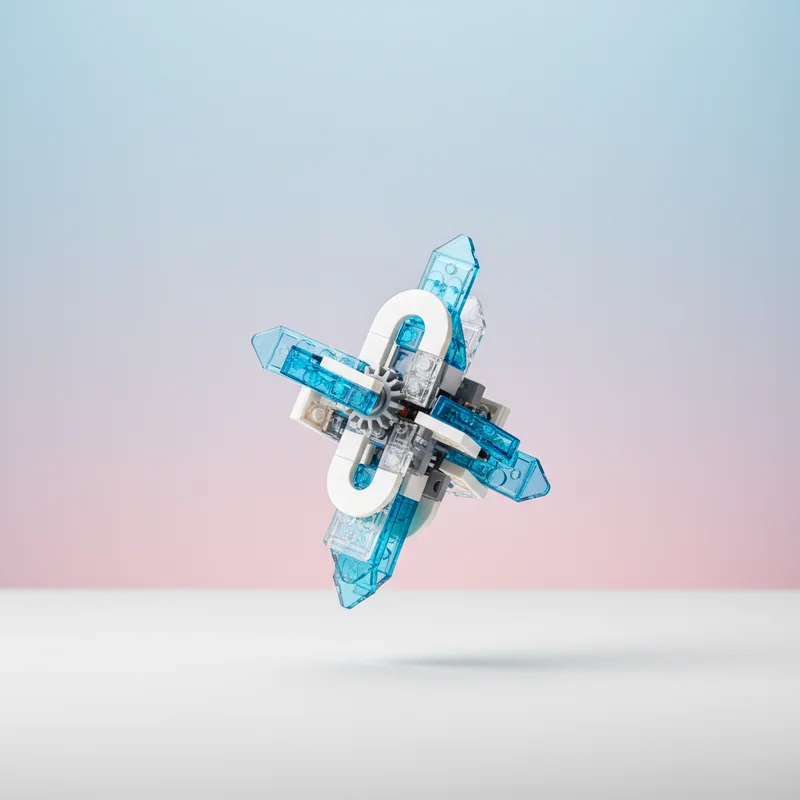
Lego

Lego

Interlocking plastic bricks and barefoot landmines.

VS
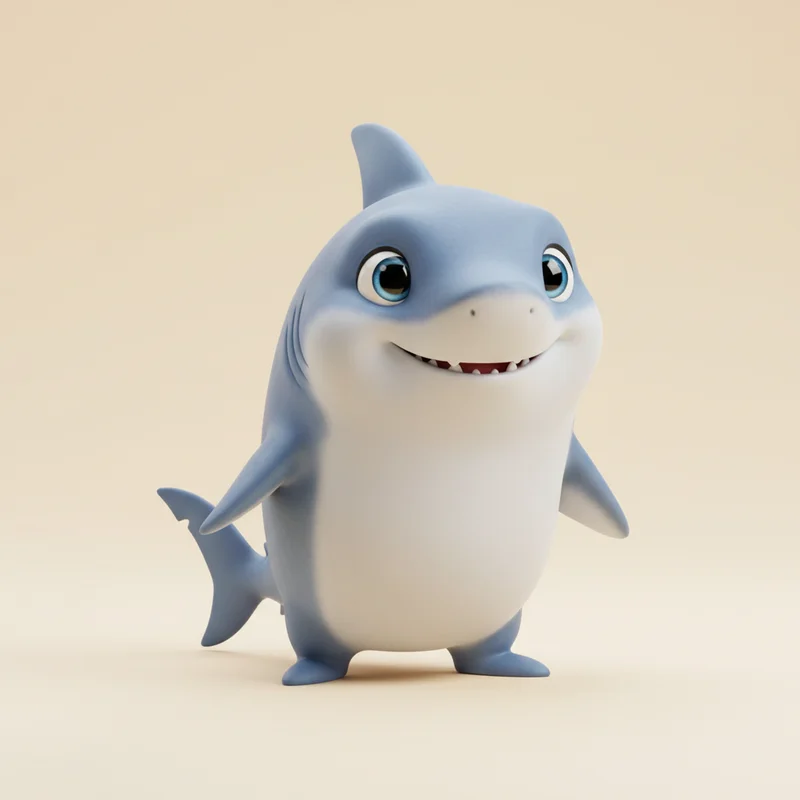
Shark

Shark

Apex ocean predator with 450 million years of evolutionary refinement and unfair movie villain reputation.

Battle Analysis

Durability Lego Wins
70%
30%
Lego Shark

Lego

The Lego brick represents perhaps the most successful application of acrylonitrile butadiene styrene polymer in human history. Laboratory testing indicates that a standard 2x4 brick can withstand compressive forces of 4,240 newtons before structural failure occurs. This translates to approximately 432 kilogrammes of applied pressure. The brick's colouration remains stable across decades, resisting UV degradation with remarkable tenacity. Archaeological evidence suggests Lego bricks deposited in landfills during the 1970s remain functionally identical to contemporary production units, their clutch power undiminished by time.

Shark

The shark's biological construction, whilst elegantly evolved, cannot compete with injection-moulded thermoplastics. The cartilaginous skeleton, lighter than bone, serves admirably for aquatic locomotion but offers limited resistance to physical trauma. Shark teeth, though perpetually regenerating throughout the animal's lifespan, are individually disposable by design. The creature's dermal denticles, those remarkable tooth-like scales, eventually succumb to environmental degradation. A shark's operational lifespan rarely exceeds 70 years, whereas the Lego brick persists essentially indefinitely.

VERDICT

ABS plastic outlasts biological tissue by centuries; Lego bricks in landfills will greet our descendants' descendants.
Adaptability Lego Wins
70%
30%
Lego Shark

Lego

The Lego system's genius lies in its modular infinitude. A mere six 2x4 bricks of identical colour can be combined in 915,103,765 unique configurations. The product line has adapted to incorporate themed sets spanning medieval castles, interstellar vessels, architectural landmarks, and licensed entertainment properties. The introduction of Technic elements, Mindstorms robotics, and specialised components demonstrates continuous evolution within the fundamental brick-based framework. The Lego ecosystem adapts to cultural shifts with corporate agility.

Shark

Sharks have achieved remarkable evolutionary stability, their fundamental body plan proving so effective that dramatic modification proved unnecessary. Approximately 500 species occupy ecological niches from shallow reefs to abyssal depths. Size ranges from the 17-centimetre dwarf lanternshark to the 12-metre whale shark. Dietary adaptations span filter feeding to apex predation. However, this adaptability operates across geological timescales; individual sharks cannot reconfigure themselves for novel purposes. Evolution lacks the immediacy of product development cycles.

VERDICT

Quarterly product releases outpace geological evolution; the brick adapts to market demands instantaneously.
Global recognition Lego Wins
70%
30%
Lego Shark

Lego

The Lego brick has achieved a penetration into human consciousness that few consumer products can rival. An estimated 75 billion bricks are manufactured annually, distributed across 140 countries. The distinctive clutch-power connection system has become universally recognised, transcending linguistic and cultural barriers. Legoland theme parks span four continents. The brick's simplicity belies its ubiquity; it has become a visual shorthand for creativity, construction, and childhood itself. Market research indicates 97% recognition rates across surveyed demographics.

Shark

The shark benefits from half a billion years of brand development, though this occurred largely without marketing oversight. The creature's silhouette, particularly the dorsal fin breaking the water's surface, ranks among the most immediately recognisable images in the natural world. The 1975 film Jaws elevated shark awareness to unprecedented heights, though subsequent portrayals have tended toward the sensationalist. Discovery Channel's Shark Week commands loyal viewership annually. Yet sharks remain fundamentally creatures of nature documentaries, lacking the merchandising infrastructure that Lego commands.

VERDICT

Corporate distribution networks surpass natural range; the brick reaches places no shark could dream of.
Intimidation factor Lego Wins
70%
30%
Lego Shark

Lego

The Lego brick presents a masterclass in psychological warfare. Its primary hunting strategy relies upon concealment in carpeted terrain, awaiting the inevitable barefoot approach of its prey. Studies conducted by the University of Parental Suffering indicate that the 2x4 brick, when encountered unexpectedly at 3 AM, produces vocalisations exceeding 90 decibels. The element of surprise constitutes its principal weapon, transforming ordinary households into minefields of plastic peril. Unlike larger predators, the Lego requires no threatening display; its mere existence in an unsorted state represents a credible threat to podiatric wellbeing.

Shark

The shark, admittedly, cuts an imposing figure. The great white, in particular, has leveraged its considerable media presence to cultivate an image of oceanic menace. Its 300 serrated teeth and dead-eyed countenance have inspired countless documentaries and questionable cinema. However, the shark's intimidation capacity is geographically constrained to marine environments. The average human spends approximately 92% of their existence on land, rendering the shark's fearsome reputation largely academic. One cannot be menaced by a creature one need never encounter.

VERDICT

The Lego brick operates within the victim's own home, transforming safe spaces into zones of perpetual vigilance.
Evolutionary success Shark Wins
30%
70%
Lego Shark

Lego

The Lego brick's evolutionary history, whilst abbreviated in geological terms, demonstrates remarkable fitness for its ecological niche. From humble beginnings in a Billund workshop in 1932, the species has achieved global dominance in the construction toy sector. Annual revenues exceeding 8 billion euros indicate robust reproductive success. The brick has survived multiple extinction-level events, including the video game revolution and smartphone proliferation. Natural selection, in market terms, has favoured the interlocking brick repeatedly.

Shark

Four hundred and fifty million years of continuous existence represents, by any reasonable metric, extraordinary evolutionary success. Sharks have survived five mass extinction events, including the Permian-Triassic catastrophe that eliminated 96% of marine species. They predate the dinosaurs by 200 million years and continue to occupy apex predator niches across global oceans. This track record of survival across geological epochs, ice ages, and asteroid impacts speaks to a biological design of exceptional resilience and adaptability.

VERDICT

Half a billion years of survival through mass extinctions trumps ninety years of commercial success.
👑

The Winner Is

Lego

54 - 46
The data compels us toward an uncomfortable conclusion. By three criteria to two, the Lego brick emerges as the dominant entity in this most improbable of comparisons. The shark, that ancient master of marine environments, finds itself outmanoeuvred by a Danish injection-moulded toy brick. The brick's advantages lie not in raw power but in accessibility, durability, and domestic infiltration. Whilst the shark inspires distant primal fear, the Lego brick delivers immediate, tangible suffering to unprotected feet worldwide. Evolution may have perfected the shark, but industrial design has perfected the Lego brick.
Lego
54%
Shark
46%

Share this battle

More Comparisons